
Dress Codes Decoded: Business Casual, Smart Casual, and Everything In Between
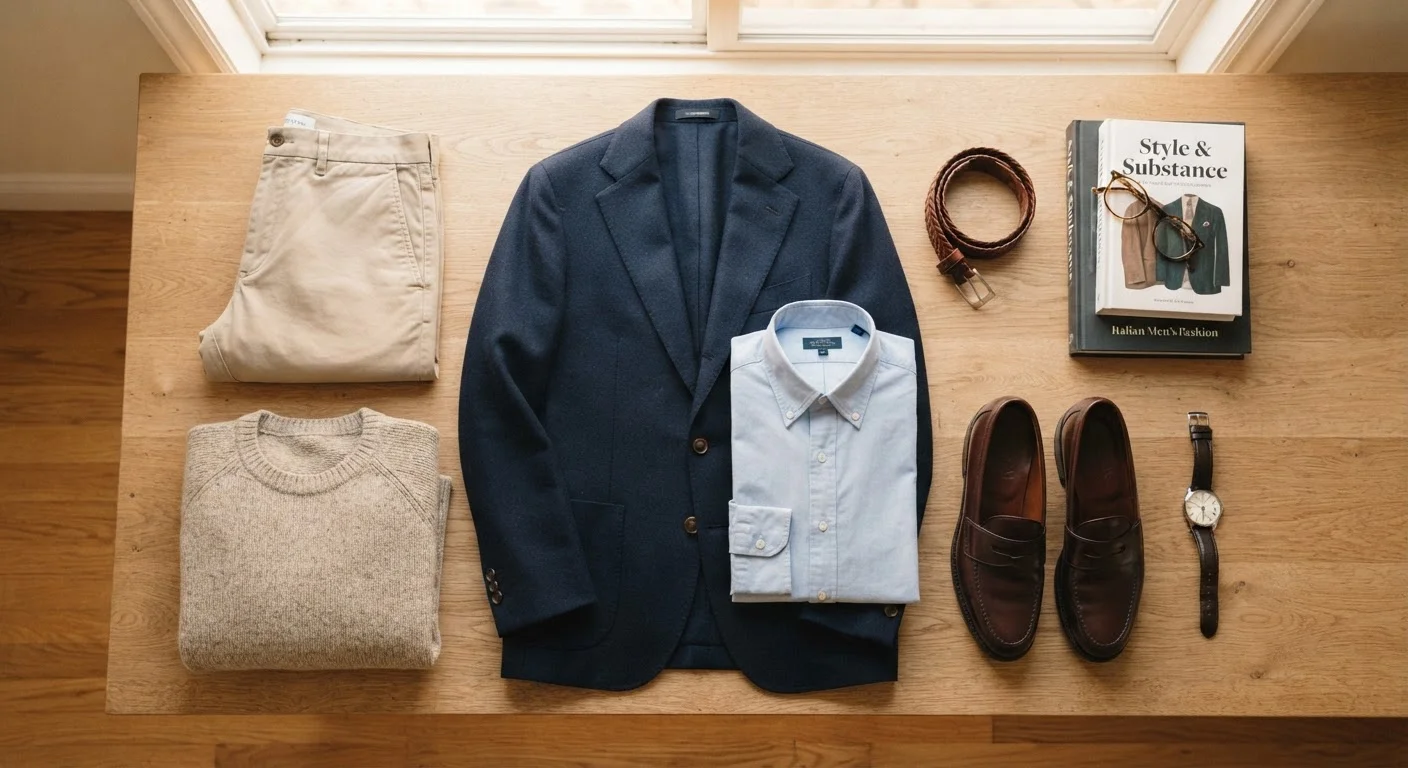
Photo credit: Infolagoon.com | Blogs To Rely On
In this article
Dress code labels vary widely by context and region. Here's a practical breakdown of the most common terms and what they realistically mean to wear.
Key Takeaways
- Business casual typically means polished but not formal — think slacks and a button-down, not a suit or jeans.
- Smart casual sits between business casual and truly casual, allowing more personal expression while staying put-together.
- Context clues like the venue, host, and event purpose often matter more than the label itself.
- When in doubt, dressing slightly more formally is generally a safer choice than underdressing.
- Fit and fabric quality signal effort regardless of which dress code tier you're dressing for.
Why Dress Code Labels Can Feel So Confusing
If you've ever stared at an event invitation that said "smart casual" and felt completely stumped, you're not alone. Dress code language evolved informally over decades, and it was never standardized. One company's "business casual" can look quite different from another's — and the same term can shift meaning depending on the industry, city, or occasion.
The good news: once you understand the underlying logic of each tier, you can navigate almost any dress code with confidence. It's less about memorizing rigid rules and more about reading the room — and dressing with a little intention.
Dress Codes Vary by Region and Industry
What counts as business casual in a New York financial firm looks quite different from business casual at a Los Angeles creative agency — or a Midwest manufacturing company. Regional norms, company culture, and even generational shifts all influence interpretation. When joining a new workplace or attending an unfamiliar event, observing what others wear is one of the most reliable guides you have.
The Main Dress Code Tiers, Explained
Formal / Black Tie: The most structured tier. Tuxedos or dark formal suits for men; floor-length gowns or formal cocktail dresses for women. Reserved for galas, weddings with explicit black-tie instructions, and upscale evening events.
Business Professional: Traditional corporate attire — suits, ties, structured dresses or suits for women. Common in law, finance, and formal client-facing roles. Everything is tailored and conservative.
Business Casual: The most commonly misunderstood label. It means professional but not formal. Think pressed chinos or trousers, a collared shirt or blouse, clean loafers or flats. A blazer adds polish but isn't required. Sneakers, graphic tees, and distressed denim generally don't fit.
Smart Casual: A step more relaxed than business casual, but still clearly deliberate. Dark, well-fitted jeans can work here. A neat sweater, stylish leather sneakers, a casual blazer, or a put-together dress all fit comfortably. The goal is looking like you cared — without looking stiff.
Casual: The broadest and most forgiving category. Jeans, t-shirts, casual dresses, sneakers — all fair game. The one caveat: even casual settings benefit from clothes that are clean, well-fitting, and appropriate for the specific setting. Balancing neutral basics with the occasional statement piece works especially well here.
~50%
U.S. workers in casual or business-casual workplaces
Surveys from workplace research organizations have consistently found that roughly half or more of U.S. office workers operate under casual or business-casual dress norms rather than formal dress codes.
33%
Professionals who feel underdressed at work events
Workplace culture surveys have found that a meaningful share of employees report uncertainty about dress code expectations, particularly at client-facing or after-hours events.
Reading Context When the Label Isn't Enough
The label is only part of the story. Consider the venue: a rooftop cocktail party at a trendy restaurant calls for a different read than a cocktail party in a hotel ballroom, even if both say the same thing on the invitation. Industry culture shapes expectations too — a tech startup's "business casual" Friday is rarely the same as a law firm's.
When you're unsure, a few practical moves help. Check if the host or event organizer has any photos from previous years. Ask a colleague or mutual contact what they're planning to wear. And when genuinely in doubt, trending slightly more formal — a blazer you can remove, a dress shoe instead of a sneaker — almost always plays better than underdressing.
Fit is also a quiet signal that transcends every tier. Well-fitting clothes in any category communicate effort and self-awareness. Fabric choice matters too — structured materials like ponte, wool blends, and cotton twill tend to look more deliberate than breezy lightweight weaves, even at the same price point.
Build a Dress Code Capsule Wardrobe
A handful of versatile pieces can cover most dress code tiers without needing a sprawling wardrobe. A well-fitting blazer, dark trousers, a crisp white or neutral button-down, a quality pair of dark jeans, and one pair each of leather shoes and clean sneakers will handle business casual, smart casual, and casual occasions reliably. Prioritizing fit over formula makes these basics work harder for you.
Accessories, Shoes, and the Finishing Details
Accessories and footwear carry a lot of weight in dress code interpretation. Shoes in particular often signal your overall register more than any other piece — a polished loafer reads formal, a clean leather sneaker reads smart casual, a beat-up canvas shoe reads casual. Getting shoes right for the occasion goes a long way.
For accessories, restraint is usually a safe default in professional or semi-formal settings. A watch, simple earrings, or a structured bag tend to land well across multiple dress codes without risk of over-accessorizing. Simplicity in accessorizing often reads as more confident — a principle that holds from business casual all the way up to formal events.
Finally, grooming and overall polish tie everything together. A well-pressed outfit and clean, styled hair communicate care regardless of the dress code level. These finishing details are often what distinguishes someone who looks intentional from someone who looks like they almost pulled it off.
“Getting dressed well isn't about following rules perfectly — it's about understanding the language well enough to make it your own.”
— Style & Beauty Editorial Team, Style & Beauty Editorial Team
Frequently Asked Questions

Author
Style & Beauty Editorial Team
Style & Beauty Editorial Team is the collective byline for our editorial team and contributor network. Articles published under this byline or an editorial pen name are researched, written, and reviewed according to our editorial standards for clarity, consistency, and independence before publication.
View all articles →