
Maintaining Wood Floors So They Last Decades
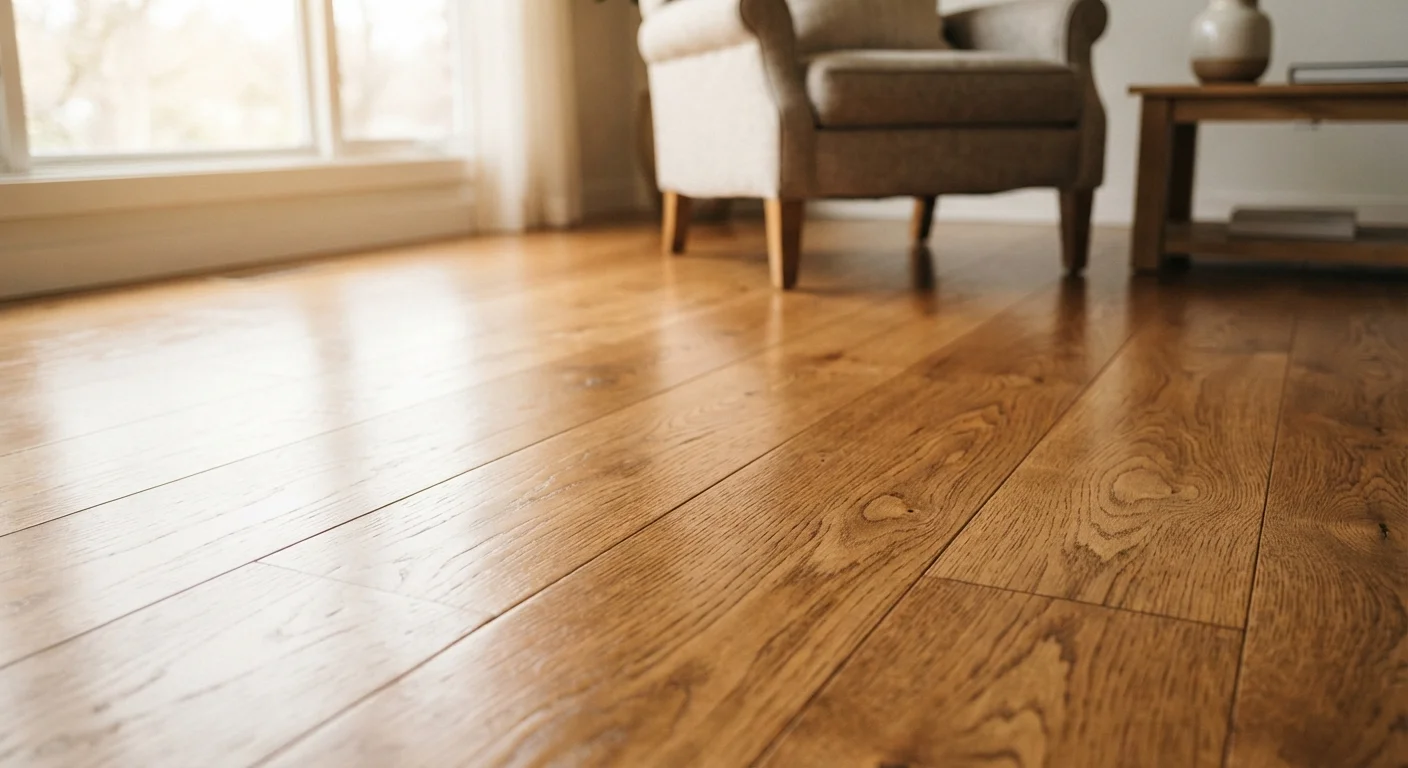
Photo credit: Infolagoon.com | Blogs To Rely On
In this article
Hardwood floors are durable, but daily habits and cleaning choices affect how long they stay that way. Here's what consistent care actually looks like.
Key Takeaways
- Moisture is the leading cause of hardwood floor damage — controlling it is essential.
- Regular dry cleaning prevents the grit and debris that scratches finish over time.
- Refinishing restores a floor's surface before damage reaches the wood itself.
- Felt pads, entryway mats, and humidity control are low-cost, high-impact protective measures.
- Most solid hardwood floors can be sanded and refinished multiple times over their lifespan.
Why Daily Habits Matter More Than Occasional Deep Cleaning
Hardwood floors are often described as a lifetime investment — and they can be, if they're treated accordingly. The problem is that most floor damage accumulates slowly and invisibly. Fine grit tracked in from outside acts like sandpaper underfoot, dulling the protective finish layer long before scratches become visible to the naked eye.
That's why daily habits are the real foundation of long-term floor care. A quick sweep or dust-mop pass each day removes the abrasive particles that cause the most wear. Think of it as protecting the finish first — because once the finish is gone, the bare wood underneath is exposed to moisture, staining, and deeper scratches that are far harder to reverse.
For more on how this kind of consistent maintenance fits into the broader picture of home upkeep, see our seasonal home maintenance calendar — hardwood care tasks appear in almost every season.
Start With a Dry Floor Routine
Before adding any liquid cleaner to your routine, make sure dry cleaning is already a consistent habit. The majority of surface damage on hardwood floors comes from grit and debris — not from infrequent mopping. A daily or near-daily dust-mop pass is the single most protective thing most households can do. Build that habit first, then layer in damp cleaning as needed.
Best Practices for Protecting and Cleaning Wood Floors
These practices apply across most types of finished hardwood, whether you have solid planks or engineered wood. Always check the manufacturer's guidance for your specific floor if you're unsure.
Sweep or dust-mop daily in high-traffic areas
Fine particles of dirt, sand, and grit are among the most common causes of finish scratches. Removing them before they're ground in by foot traffic is far more effective than addressing scratches after the fact.
Use only pH-neutral, hardwood-specific cleaners for damp mopping
All-purpose cleaners, vinegar solutions, and oil soaps can strip finish, leave residue, or dull the surface over time. Products formulated specifically for finished hardwood are designed to clean without compromising the protective layer.
Place felt pads under all furniture legs
Hard furniture feet — especially on chairs that are moved frequently — concentrate a significant amount of force on a small surface area, creating gouges and scratches that cut through finish and into wood. Felt pads distribute that force and allow smooth movement.
Install entryway mats at every exterior door
Outdoor footwear carries in the abrasive particles that cause the most surface damage. A mat outside and a smaller rug inside each entry point catches the majority of this debris before it reaches the floor.
Maintain consistent indoor humidity year-round
Wood is a hygroscopic material — it absorbs and releases moisture as humidity changes. Seasonal swings in humidity cause boards to expand and contract repeatedly, eventually leading to gaps, cupping, or cracking.
Avoid walking on hardwood floors with hard-soled or spiked shoes
High heels and cleats focus body weight on a very small surface, exerting pressure that can dent even hard wood species. This type of damage is cosmetic and difficult to reverse without refinishing.
Understanding Moisture: The Biggest Threat to Wood Floors
Wood expands when humid and contracts when dry. Over time, repeated swings in indoor humidity cause boards to cup, crack, warp, or develop gaps at the seams. Keeping indoor relative humidity between roughly 35% and 55% year-round is widely recommended by flooring professionals — though you should verify the ideal range for your specific wood species with the manufacturer or a qualified installer.
Engineered vs. Solid Hardwood: Key Differences
Engineered hardwood has a real wood veneer over a plywood core, making it more dimensionally stable in fluctuating humidity than solid wood. However, its thinner wear layer means it can typically be refinished fewer times — sometimes only once or twice. The daily care practices in this article apply to both types, but always consult your floor's documentation for refinishing guidance specific to your product.
Spills deserve immediate attention — standing water on a wood floor can penetrate the finish within minutes. Blot, don't rub, and dry the area thoroughly. Never use a soaking-wet mop or steam cleaner on hardwood; the moisture introduced can cause lasting damage that requires professional refinishing to correct.
25–100 years
Typical lifespan of maintained solid hardwood floors
Flooring industry sources widely cite this range, with lifespan depending heavily on wood species, finish quality, and maintenance consistency.
35–55%
Recommended indoor relative humidity for hardwood floors
This range is commonly cited by flooring manufacturers and the National Wood Flooring Association as protective against seasonal wood movement.
Quick Wins You Can Act On Today
Not every protective measure requires planning or expense. Several of the most effective habits take under five minutes to put in place and pay dividends for years. If you're considering alternative flooring materials elsewhere in your home, our comparison of tile vs. luxury vinyl plank explains how other options handle moisture and daily wear differently.
When to Refinish — and When to Call a Professional
Even well-maintained floors eventually show wear. The finish, not the wood itself, takes the brunt of daily use — and that's intentional. When the finish dulls significantly, develops grey patches, or allows water to soak in rather than bead, it's time to consider refinishing.
Screening (a light buff and recoat) can refresh a floor without full sanding and is appropriate when the finish is worn but the wood is undamaged. Full sanding and refinishing removes deeper scratches and restores the wood surface, but removes a thin layer of wood each time. Most solid hardwood floors can be refinished several times over their life; engineered hardwood has a thinner wear layer and fewer refinishing cycles available.
Sanding and refinishing involves dust, fumes, and equipment that require experience to use safely. If you haven't done it before, hiring a licensed flooring contractor is the prudent choice. Always verify that any contractor you hire is properly licensed and insured in your state.
“The finish is your floor's first line of defense. When people wait until they can see damage to the wood itself, they've already missed the window when maintenance was simple and inexpensive.”
— National Wood Flooring Association, Industry trade organization representing flooring professionals

Author
Home & Living Editorial Team
Home & Living Editorial Team is the collective byline for our editorial team and contributor network. Articles published under this byline or an editorial pen name are researched, written, and reviewed according to our editorial standards for clarity, consistency, and independence before publication.
View all articles →