
The Truth About Common Pet Food Myths
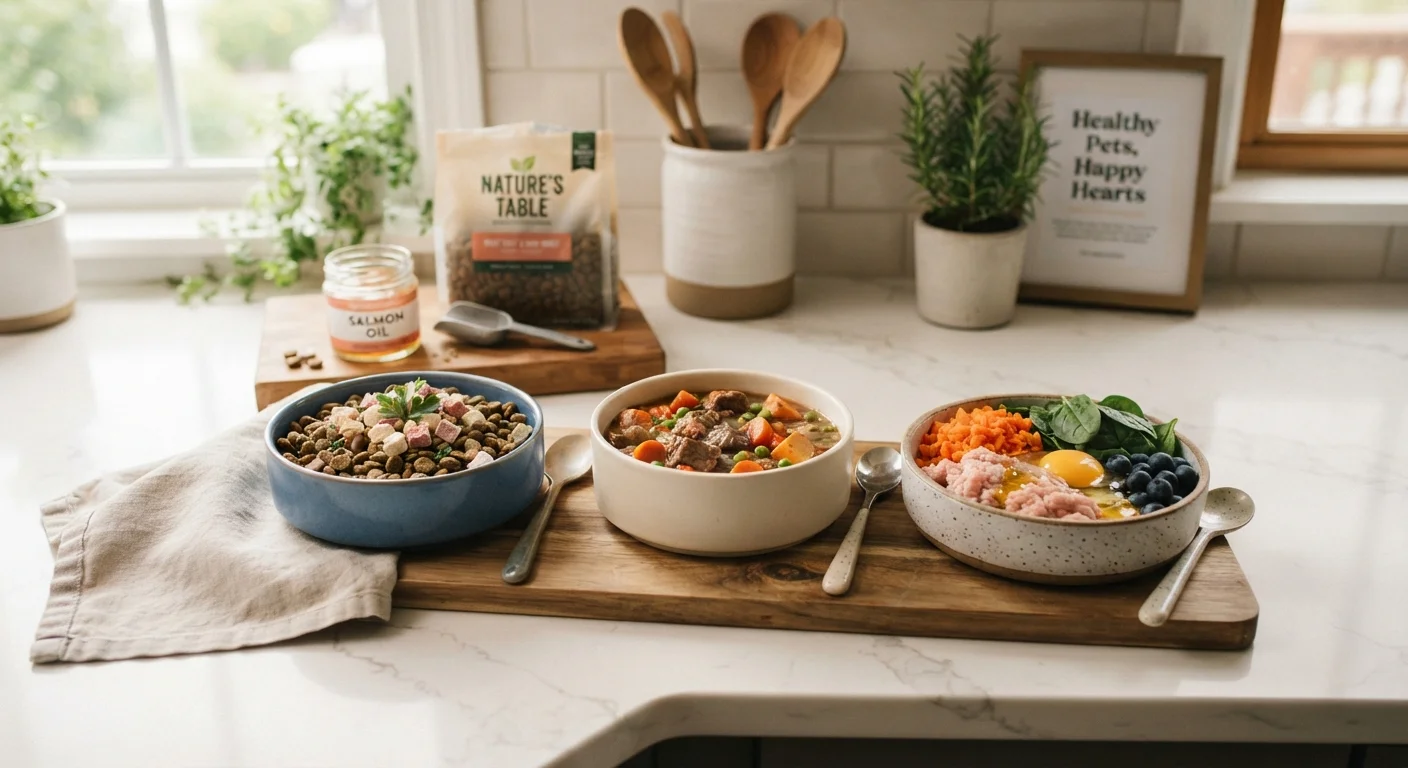
Photo credit: Infolagoon.com | Blogs To Rely On
Grain-free is always better? Raw diets are safer? Separating widespread pet nutrition myths from what veterinary science actually supports.
Key Takeaways
- Grain-free pet foods are not inherently healthier and may carry cardiac risks in dogs.
- Raw diets pose documented bacterial contamination risks to both pets and their human families.
- Ingredient order on a pet food label reflects weight before cooking, not nutritional value.
- By-products in commercial pet food are regulated ingredients, not low-quality filler.
- Always consult a veterinarian before making significant changes to your pet's diet.
Why Pet Food Myths Spread So Easily
Pet food marketing is sophisticated, and the terminology used — "ancestral," "natural," "grain-free," "raw" — taps into genuine desires to give animals the best possible care. The problem is that emotionally resonant language on a bag often outpaces the nutritional science behind it. Myths take hold when caring owners apply human dietary trends to their pets without accounting for the profound biological differences between species.
Understanding what veterinary nutritional research actually shows — rather than what packaging implies — is one of the most practical steps you can take for your pet's long-term health. For a deeper look at how to read ingredient panels critically, see how to interpret pet food labels.
Myth
Grain-free diets are healthier for dogs and cats because grains are unnatural fillers.
Fact
Grains are a legitimate source of digestible carbohydrates, fiber, and nutrients; grain-free does not mean low-carb or more nutritious.
The grain-free trend borrowed heavily from human low-carb movements, but dogs and cats metabolize carbohydrates differently from humans, and grains have been part of domesticated animal diets for thousands of years. More critically, the U.S. Food and Drug Administration investigated a potential link between grain-free diets — particularly those high in legumes and potatoes — and dilated cardiomyopathy (DCM), a serious heart condition in dogs. The investigation remains ongoing, but veterinary cardiologists have urged caution. Unless your pet has a confirmed grain allergy (which is relatively uncommon), there is no established nutritional reason to avoid grains.
Myth
Raw diets mirror what animals would eat in the wild and are therefore safer and more natural.
Fact
Raw meat diets carry documented risks of bacterial pathogens including Salmonella and Listeria, which can affect both pets and the humans who handle their food.
The "wild diet" logic assumes domesticated pets share the digestive resilience of their wild counterparts, which is not well-supported. Both the American Veterinary Medical Association and the Centers for Disease Control and Prevention have published guidance against raw protein diets for pets due to contamination risks. Studies have found pathogen shedding in pets fed raw diets, which can pose particular risks to children, elderly individuals, and immunocompromised family members. Cooking does not destroy meaningful nutritional value in pet food; commercial processing is designed to preserve it.
Myth
If meat is not the first ingredient, the food is low quality or mostly filler.
Fact
Ingredients are listed by pre-cooking weight, so a whole meat listed first may contribute less protein than a concentrated meal listed lower.
Raw chicken, for example, is roughly 70% water. After cooking, its contribution shrinks significantly. "Chicken meal," listed second or third, is a concentrated protein source with the moisture already removed and may provide considerably more protein per gram in the final product. Ingredient order is a useful but incomplete signal. The guaranteed analysis panel and whether the food meets AAFCO (Association of American Feed Control Officials) nutritional standards for your pet's life stage are more meaningful indicators of quality.
Myth
By-products in pet food are low-quality waste material unfit for animals.
Fact
By-products are regulated ingredients that include organ meats, which are often highly nutritious and closely resemble what wild animals consume from prey.
AAFCO defines meat by-products as clean, non-rendered parts of slaughtered mammals — including lungs, kidneys, liver, and spleen — explicitly excluding hair, horns, hooves, and intestinal contents. Organ meats are nutrient-dense: liver, for instance, is rich in vitamins A and B, iron, and protein. The stigma around the term "by-product" comes largely from the word itself rather than from evidence about nutritional quality. A food containing by-products can meet or exceed the nutritional profile of one that does not.
Myth
Homemade pet food is always a healthier alternative to commercial options.
Fact
Most homemade diets studied by veterinary nutritionists are nutritionally incomplete and can cause deficiencies over time.
A 2019 study published in the Journal of Nutritional Science found that the majority of home-cooked dog food recipes — including those from veterinary websites and books — did not meet established nutritional guidelines. Without careful formulation by a board-certified veterinary nutritionist, it is difficult to ensure correct balances of calcium, phosphorus, zinc, and essential fatty acids. Deficiencies may not be immediately apparent but can cause serious long-term harm. If a homemade diet is important to you, working directly with a veterinary nutritionist to formulate and periodically review recipes is strongly recommended.
What the Evidence Actually Supports
Veterinary nutrition is a board-certified specialty, and its consensus is built on controlled studies rather than trend cycles. While certain dietary adjustments are genuinely beneficial for specific conditions, blanket claims — that one format is universally superior, or that commercial food is inherently harmful — are not supported by the weight of evidence.
268
Dog DCM cases reported to FDA linked to diet
The FDA received 268 reports of canine dilated cardiomyopathy potentially associated with diet between January 2014 and April 2019, many involving grain-free foods.
~25%
Dogs with food allergies actually allergic to grains
Veterinary dermatology research suggests proteins — particularly beef, dairy, and chicken — are far more common allergen triggers in dogs than grains.
Majority
Home-cooked pet diets found nutritionally incomplete
A study in the Journal of Nutritional Science found most homemade dog food recipes failed to meet AAFCO nutritional guidelines for complete and balanced diets.
If your pet has a diagnosed health condition, your veterinarian may recommend a therapeutic formulation. The distinction between those and standard commercial options matters more than most marketing language. Learn more in our overview of prescription diets versus over-the-counter pet foods.
Format questions — kibble versus canned, for example — also involve real trade-offs around hydration, dental health, and caloric density. Explore those nuances in our article on wet food versus dry food for pets. The broader principle holds: decisions grounded in your individual pet's health history, life stage, and veterinary guidance will always outperform decisions driven by marketing trends.
Dietary Changes Require Veterinary Input
Switching your pet to a raw, grain-free, or homemade diet without professional guidance carries real health risks. Nutritional deficiencies and pathogen exposure can develop gradually and may not be obvious until significant harm has occurred. Before making any major change to your pet's regular diet, consult your veterinarian — and ask for a referral to a board-certified veterinary nutritionist if you have complex concerns.
This article is for general informational purposes only and does not constitute veterinary or nutritional advice. Always consult a licensed veterinarian before making significant changes to your pet's diet.

Author
Pets & Animals Editorial Team
Pets & Animals Editorial Team is the collective byline for our editorial team and contributor network. Articles published under this byline or an editorial pen name are researched, written, and reviewed according to our editorial standards for clarity, consistency, and independence before publication.
View all articles →