
Reading Your Pet's Body Language During a Health Crisis
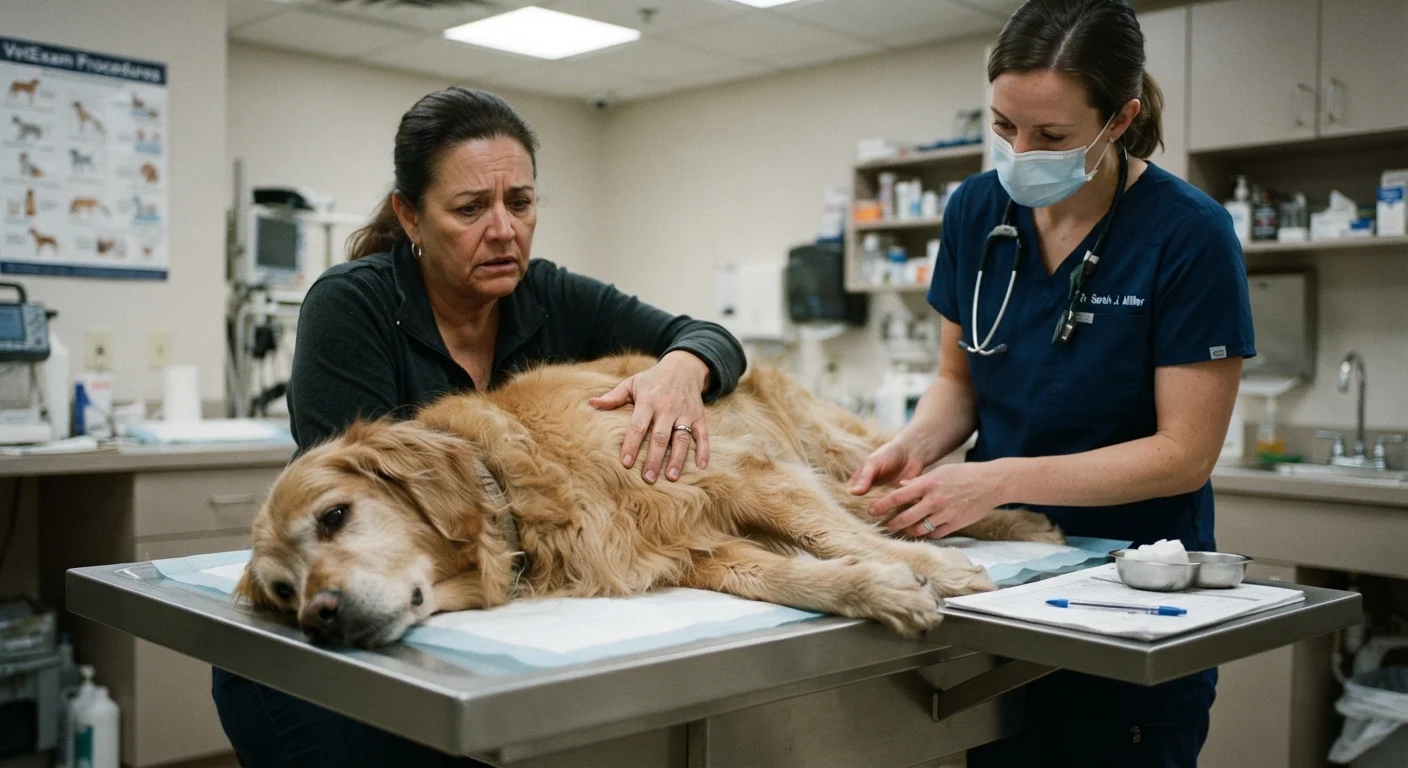
Photo credit: Infolagoon.com | Blogs To Rely On
In this article
Knowing what distress looks like in dogs and cats can help you act faster. Here's what to watch for in posture, breathing, and behavior.
Key Takeaways
- Pets instinctively mask pain, making subtle body language cues especially important to recognize.
- Posture, breathing patterns, facial tension, and behavioral withdrawal are key distress indicators.
- Dogs and cats express distress differently — knowing the species-specific signals helps you respond accurately.
- A calm, systematic observation approach helps you gather information your vet needs quickly.
- Some body language signals indicate a medical emergency requiring immediate veterinary attention.
Why Body Language Is Your First Diagnostic Tool
Pets cannot tell you what hurts. What they can do is express physiological and emotional distress through posture, movement, facial expression, and behavior — if you know what to look for. The challenge is that both dogs and cats are biologically wired to suppress obvious signs of weakness, a survival mechanism inherited from their wild ancestors. This means distress is often communicated in small, easy-to-dismiss signals rather than dramatic ones.
Understanding these signals isn't about replacing veterinary care — it's about closing the gap between onset and treatment. The faster a health crisis is recognized, the sooner professional help can be sought. This is especially true for conditions that require urgent veterinary attention, where minutes can matter. Recognizing distress is also a skill that becomes more refined over time — owners who know their individual animal's baseline behavior are far better positioned to detect deviations early. For context on how stress and discomfort may also affect your pet's behavior more broadly, the signs your pet may be stressed resource offers complementary guidance.
Keep a Baseline in Mind
The most reliable way to spot distress is to know what normal looks like for your specific animal. Note your pet's resting breathing rate, typical posture, and usual behavior during calm moments. That personal baseline makes deviations far easier to identify when it matters most.
How to Read the Signs: A Step-by-Step Approach
Responding effectively to a possible health crisis means observing methodically rather than reacting emotionally. The steps below walk you through a structured assessment you can complete in minutes. Gather your tools, note what you see, and have your veterinarian's contact information ready before you begin.
What you will need
Timer or Clock
Used to count breaths per minute accurately when assessing respiratory rate.
Notepad or Smartphone
Record observations — timing, symptoms, and behaviors — to report precisely to your vet.
Flashlight
Allows you to check gum color and eye responsiveness in low-light conditions.
Create a Calm Observation Space
Move your pet to a quiet, low-stimulus area if safe to do so. Reduce noise, dim harsh lighting, and limit the number of people nearby. A calmer environment makes it easier to observe accurate resting behavior rather than a stress response to commotion.
Assess Posture and Weight Distribution
Look at how your pet is holding its body. A dog that is hunched with its back arched, tucking its abdomen upward, or shifting weight off one limb is displaying postural distress. A cat that is crouched low with its body pressed to the ground — rather than in a relaxed loaf position — may be bracing against discomfort. Note any reluctance to stand, lie down, or move from one position to another.
Observe Breathing Rate and Pattern
Count the number of full chest rises in 30 seconds and multiply by two for breaths per minute. A healthy resting dog typically breathes 15–30 times per minute; cats range from 20–30. Labored breathing, noisy inhalation, extended neck posture while breathing, or belly-breathing (where the abdomen pumps visibly with each breath) are all warning signs. In cats specifically, open-mouthed breathing at rest is always abnormal and warrants urgent attention.
Check Facial Cues and Eye Expression
Pain and distress are often visible in the face. In dogs, look for brow furrowing, orbital tightening (a squinting or narrowed eye), and lip retraction or tension at the corners of the mouth. In cats, a pain state is commonly associated with flattened ears, half-closed or squinting eyes, a tense muzzle, and whiskers pulled back rather than spread forward. Glazed or unfocused eyes in either species can indicate shock or neurological distress.
Note Behavioral Changes and Withdrawal
A pet that is hiding, avoiding interaction with familiar people, or refusing food it would normally accept is communicating something significant. Conversely, unusual clinginess or repeated vocalization — whimpering in dogs, excessive or uncharacteristic yowling in cats — can also signal distress. Behavioral withdrawal is one of the most consistent cross-species indicators of a health crisis. For a deeper look at subtle cues that are easy to overlook, see our article on signs your pet is in pain that are easy to miss.
Check Gum Color
Healthy gum color for dogs and cats is typically a bubblegum pink and moist to the touch. Pale, white, gray, blue, or bright red gums each point to different circulatory or systemic emergencies. Press briefly on the gum and release — color should return within two seconds (normal capillary refill time). A refill time longer than two seconds warrants immediate veterinary contact.
Record and Report Observations to Your Vet
Write down everything you observed — the time symptoms began, the specific postures and behaviors you noticed, respiratory rate, and gum color. This log gives your veterinarian concrete, time-stamped information rather than a general impression. When you call, describe what you saw rather than interpreting it: 'She is breathing 45 times per minute with visible abdominal effort' is more useful than 'she seems uncomfortable.'
When to Call a Vet Immediately
Certain signals — including labored or open-mouthed breathing in cats, pale or bluish gums, sudden collapse, or uncontrolled trembling — constitute a medical emergency. Do not wait to observe further. Contact an emergency veterinary clinic without delay. See our guide to symptoms that require immediate veterinary care for a full reference.
Don't Rely on Behavior Alone
Body language gives you important clues, but it cannot replace a professional diagnosis. Many serious conditions produce overlapping or subtle signals. Always consult a licensed veterinarian when you suspect your pet is unwell — early professional assessment is always safer than waiting.
Body language reading is a skill that improves with practice and familiarity. As your pet ages, their signals may shift — senior pets and changing health needs covers what to expect as your animal gets older. Understanding distress signals in a health context also complements what you may already know about reading body language during training sessions, though the signals and stakes differ considerably.
This article is for general informational purposes only and is not a substitute for professional veterinary advice, diagnosis, or treatment. Always consult a licensed veterinarian if you have concerns about your pet's health.

Author
Pets & Animals Editorial Team
Pets & Animals Editorial Team is the collective byline for our editorial team and contributor network. Articles published under this byline or an editorial pen name are researched, written, and reviewed according to our editorial standards for clarity, consistency, and independence before publication.
View all articles →