
How Portion Size Quietly Affects Your Pet's Long-Term Health
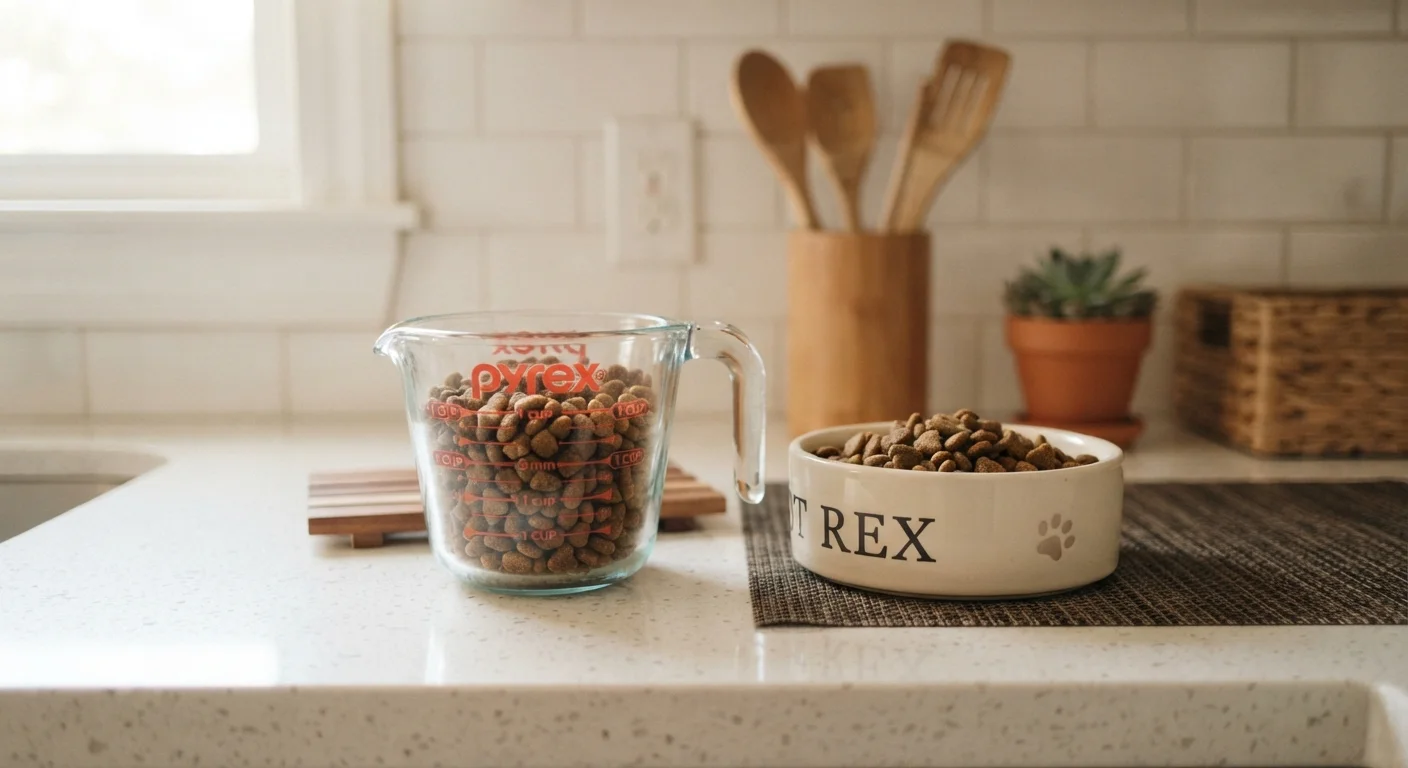
Photo credit: Infolagoon.com | Blogs To Rely On
In this article
Overfeeding is one of the most common pet care missteps. Understand how portion control works and why feeding guidelines are a starting point.
Key Takeaways
- Feeding guidelines on pet food packaging are starting points, not precise prescriptions for every animal.
- Even modest daily overfeeding compounds into significant weight gain over months and years.
- A pet's caloric needs shift with age, activity level, spay/neuter status, and health conditions.
- Free-feeding and eyeballed portions are the leading causes of unintentional chronic overfeeding.
- Regular weigh-ins and veterinary body condition assessments are more reliable than visual guessing.
Why Small Daily Overfeeding Has Big Consequences
Portion size is one of the quietest forces shaping a pet's long-term health. Unlike a single bad meal, chronic mild overfeeding builds invisibly — a little extra kibble each morning, a few too many treats each afternoon — until a pet is carrying meaningful excess weight that strains joints, disrupts metabolism, and shortens life expectancy.
The connection between overfeeding and serious health problems is well established in veterinary medicine. Obesity in pets is associated with a range of conditions including osteoarthritis, type 2 diabetes in cats, and cardiovascular strain in dogs. These aren't theoretical risks — they're outcomes that veterinarians manage regularly, and many trace directly back to feeding habits set early in a pet's life.
Understanding where those habits go wrong is the first step toward correcting them. The mistakes below reflect the most common patterns that lead well-meaning pet owners into chronic overfeeding — and how to address each one.
Treating the feeding guideline on the bag as a fixed daily target for every pet.
Why it happens: Packaging guidelines are calculated for an average, unaltered adult animal at a moderate activity level — a description that fits fewer pets than owners assume.
Eyeballing portions instead of measuring consistently.
Why it happens: Scooping by feel seems accurate in the moment, but studies of pet owners show that visual estimates routinely run 25–50% over the intended amount.
Leaving food out all day and allowing a pet to graze freely.
Why it happens: Free-feeding feels convenient and kind, and it can work for some cats with strong self-regulation. However, many pets — especially dogs and food-motivated cats — will eat past satiety.
Forgetting that treats, toppers, and table scraps count toward daily caloric intake.
Why it happens: Treats feel separate from "real" food, making it easy to overlook how quickly they accumulate — especially in households where multiple people feed the same pet.
Failing to reassess portion sizes as a pet ages or its lifestyle changes.
Why it happens: A portion that was appropriate for an active two-year-old dog may be too large for the same dog at eight, when metabolism slows and activity often decreases.
Building Better Habits Around Feeding
Correcting portion-related habits doesn't require a complete dietary overhaul. Most improvements come from adding consistency and measurement to what's already a daily routine.
Don't Adjust Portions Without Guidance
Significantly cutting a pet's food intake without veterinary input can cause nutritional deficiencies, particularly in cats, where rapid caloric restriction carries serious liver health risks. Any meaningful change to your pet's diet should be discussed with a veterinarian first.
A kitchen scale is the most reliable portioning tool available. Digital food scales are inexpensive and remove the guesswork entirely. If your pet's food is measured in cups, invest in a calibrated measuring cup — not a coffee mug or random scoop — and stick to it every meal.
Feeding schedules also help. Structured mealtimes make it easier to track intake, notice appetite changes that might signal illness, and prevent multiple household members from inadvertently doubling a pet's meal. For guidance on weaving feeding into a broader daily structure, see building a daily routine for you and your pet.
Diet type also affects how you measure. Wet and dry foods have very different caloric densities, so portion sizes look dramatically different even when caloric content is similar. If you're navigating that choice, wet food vs. dry food considerations can help frame the trade-offs.
Portion Control Is a Health Issue
Chronic overfeeding is directly linked to obesity, which veterinary research associates with joint disease, diabetes, heart strain, and shorter lifespan in both dogs and cats. This is not a cosmetic concern. If you're uncertain whether your pet is at a healthy weight, schedule a body condition assessment with your veterinarian rather than relying on appearance alone.
Finally, bring your veterinarian into the conversation. A body condition score — a standardized assessment of a pet's fat coverage and muscle mass — is a far more accurate measure of appropriate weight than appearance or the number on a scale alone. Annual wellness visits are the right time to reassess whether your current portions still match your pet's needs. For a broader look at maintaining your pet's wellbeing, the Pet Health hub offers additional guidance across common health topics.
This article is for general informational purposes only and does not constitute veterinary or medical advice. Always consult a qualified veterinarian for guidance specific to your pet's health and nutritional needs.

Author
Pets & Animals Editorial Team
Pets & Animals Editorial Team is the collective byline for our editorial team and contributor network. Articles published under this byline or an editorial pen name are researched, written, and reviewed according to our editorial standards for clarity, consistency, and independence before publication.
View all articles →