
Obesity in Pets: Health Risks That Go Beyond Extra Weight
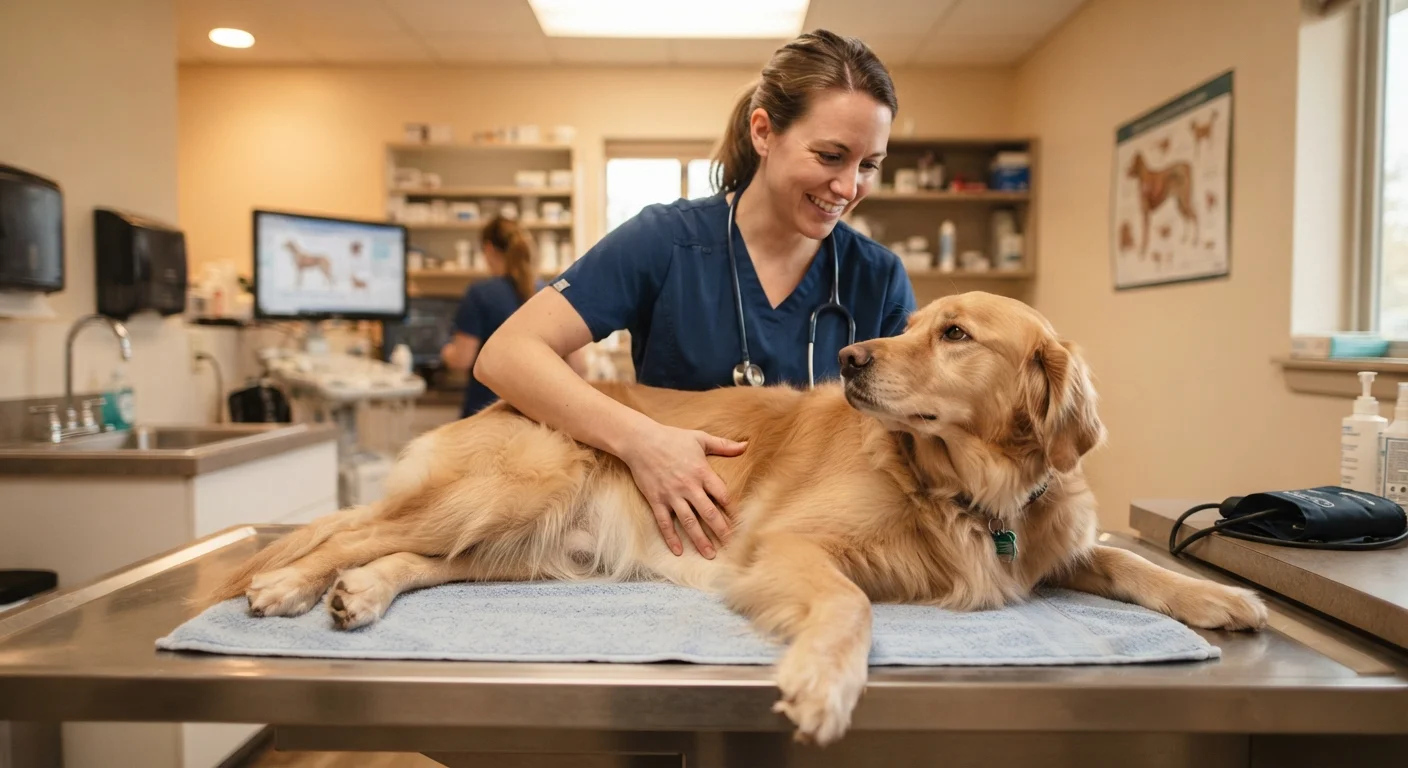
Photo credit: Infolagoon.com | Blogs To Rely On
In this article
Excess weight in dogs and cats is linked to joint disease, diabetes, and shortened lifespan. Here's what the science says and what vets recommend.
Key Takeaways
- Pet obesity significantly increases the risk of joint disease, diabetes, heart conditions, and certain cancers.
- Obese cats face a particularly high risk of hepatic lipidosis, a serious and potentially fatal liver condition.
- Excess weight can reduce a pet's lifespan by up to two years, according to veterinary research.
- A veterinarian should assess both weight and body condition score before any weight-loss plan is started.
- Portion control, measured feeding, and consistent exercise are central to managing a pet's healthy weight.
Why Excess Weight Is a Medical Problem, Not Just a Physical One
Many pet owners perceive a plump dog or a round cat as simply well-fed, even endearing. But veterinary medicine is clear: excess body fat is a metabolic condition with wide-reaching consequences for nearly every organ system. Fat tissue — particularly the visceral fat that accumulates around internal organs — is not inert. It actively releases inflammatory signaling molecules called adipokines, which promote chronic, low-grade inflammation throughout the body.
This persistent inflammation is one of the core mechanisms linking obesity to so many secondary conditions. It accelerates cartilage breakdown in joints, impairs insulin signaling, stresses the cardiovascular system, and may even influence cancer risk. Understanding obesity as a systemic disease — rather than a simple numbers problem on a scale — is the foundation for taking it seriously as a health concern.
~59%
U.S. dogs classified as overweight or obese
According to the Association for Pet Obesity Prevention's annual surveys, more than half of U.S. dogs are above their ideal body weight.
~61%
U.S. cats classified as overweight or obese
The Association for Pet Obesity Prevention consistently reports that cats have even higher rates of overweight classification than dogs in the United States.
~2 years
Potential reduction in lifespan from obesity
A landmark long-term study found that dogs maintained at a lean body condition lived a median of nearly two years longer than heavier littermates.
The Most Significant Health Risks Linked to Pet Obesity
Osteoarthritis and Joint Damage
Excess weight places mechanical stress on cartilage and joints that far exceeds what the skeletal system was designed to handle. In dogs, obesity is one of the leading modifiable risk factors for osteoarthritis. The problem compounds: pain from arthritis reduces activity, which makes weight management even harder without dietary intervention.
Type 2 Diabetes
Obese cats develop type 2 diabetes at significantly higher rates than lean cats. Chronic fat accumulation reduces the body's sensitivity to insulin, eventually impairing the pancreas's ability to regulate blood sugar. Dogs can develop insulin-resistant diabetes as well, though their diabetic profiles differ somewhat from cats. Managing weight is one of the most impactful steps in both prevention and management.
Respiratory and Cardiovascular Strain
Fat deposits around the chest wall and abdomen compress the lungs and make breathing more labored, particularly during exertion or in hot conditions. Obese pets are at higher risk for hypertension and exercise intolerance — and these risks are compounded in brachycephalic breeds (those with shortened snouts, such as Bulldogs and Persians) that already have restricted airways.
Hepatic Lipidosis in Cats
When an overweight cat suddenly reduces food intake — due to illness, stress, or an abrupt diet change — the body mobilizes fat to the liver faster than the organ can process it. This causes a potentially fatal condition called hepatic lipidosis. It is one of the most urgent reasons why weight-loss programs in cats must be gradual and supervised by a veterinarian.
Shortened Lifespan
Longitudinal studies in dogs, including a well-cited long-term study by Purina, have found that dogs maintained at a lean body condition lived a median of nearly two years longer than their heavier littermates. While no single study applies universally, the overall body of veterinary evidence consistently links obesity to reduced longevity.
Recognizing the Problem and Working With Your Veterinarian
Pet owners often underestimate their animal's weight because gradual gain is difficult to perceive over time. A veterinarian can assess your pet using a Body Condition Score (BCS) — a structured evaluation of fat deposits at specific anatomical landmarks — which is more informative than scale weight alone. Breed variation, muscle mass, and frame size all influence what a healthy weight looks like for an individual animal.
Before beginning any weight-loss program, a thorough veterinary exam is important. Conditions such as hypothyroidism in dogs or hyperadrenocorticism (Cushing's disease) can contribute to weight gain and require their own treatment. Addressing an underlying endocrine disorder without recognizing it would make weight management both ineffective and potentially harmful.
Ask Your Vet for a Body Condition Score
At your pet's next wellness visit, ask your veterinarian to formally score your pet's body condition using the BCS scale. This gives you a repeatable, objective benchmark to track progress over time — much more useful than weight alone. Many clinics are happy to do this as part of a routine exam.
For pets identified as overweight, your vet may recommend a structured feeding plan, a measured reduction in daily calories, or a therapeutic diet. See our guide on prescription vs. over-the-counter pet foods for health conditions for more on how those diets differ. Regular weigh-ins and progress check-ups are typically recommended to monitor results safely.
Practical Steps for Supporting a Healthy Weight
Managing a pet's weight is a long-term commitment that involves consistent feeding practices, appropriate activity, and veterinary partnership. The following principles are widely supported by veterinary nutritionists:
- Measure portions precisely. Feeding by cup estimation leads to significant calorie overestimation over time. Use a kitchen scale or measuring cup and follow caloric guidelines provided by your vet, not just package recommendations, which are often based on averages.
- Limit treats and table scraps. Even small treats add up quickly relative to a small pet's daily caloric needs. If treats are used for training, account for those calories within the daily total.
- Encourage consistent activity. Daily walks for dogs and interactive play sessions for cats help burn calories and maintain lean muscle mass, which supports a healthy metabolism.
- Feed multiple small meals. Dividing daily food into two or more meals may reduce hunger-driven begging and help manage blood sugar more evenly throughout the day.
Weight management is closely connected to other dimensions of overall pet health. As pets age, their caloric needs and mobility change — our overview of senior pet health needs explores those shifts in more detail. Likewise, systemic health conditions — including those originating in dental disease — can intersect with a pet's overall metabolic health in ways that make a comprehensive, vet-guided approach essential.
This article is for general informational purposes only and does not constitute veterinary medical advice. Always consult a licensed veterinarian before making changes to your pet's diet, activity level, or health management plan.
Frequently Asked Questions

Author
Pets & Animals Editorial Team
Pets & Animals Editorial Team is the collective byline for our editorial team and contributor network. Articles published under this byline or an editorial pen name are researched, written, and reviewed according to our editorial standards for clarity, consistency, and independence before publication.
View all articles →