
Common Misconceptions About Pet Vaccinations
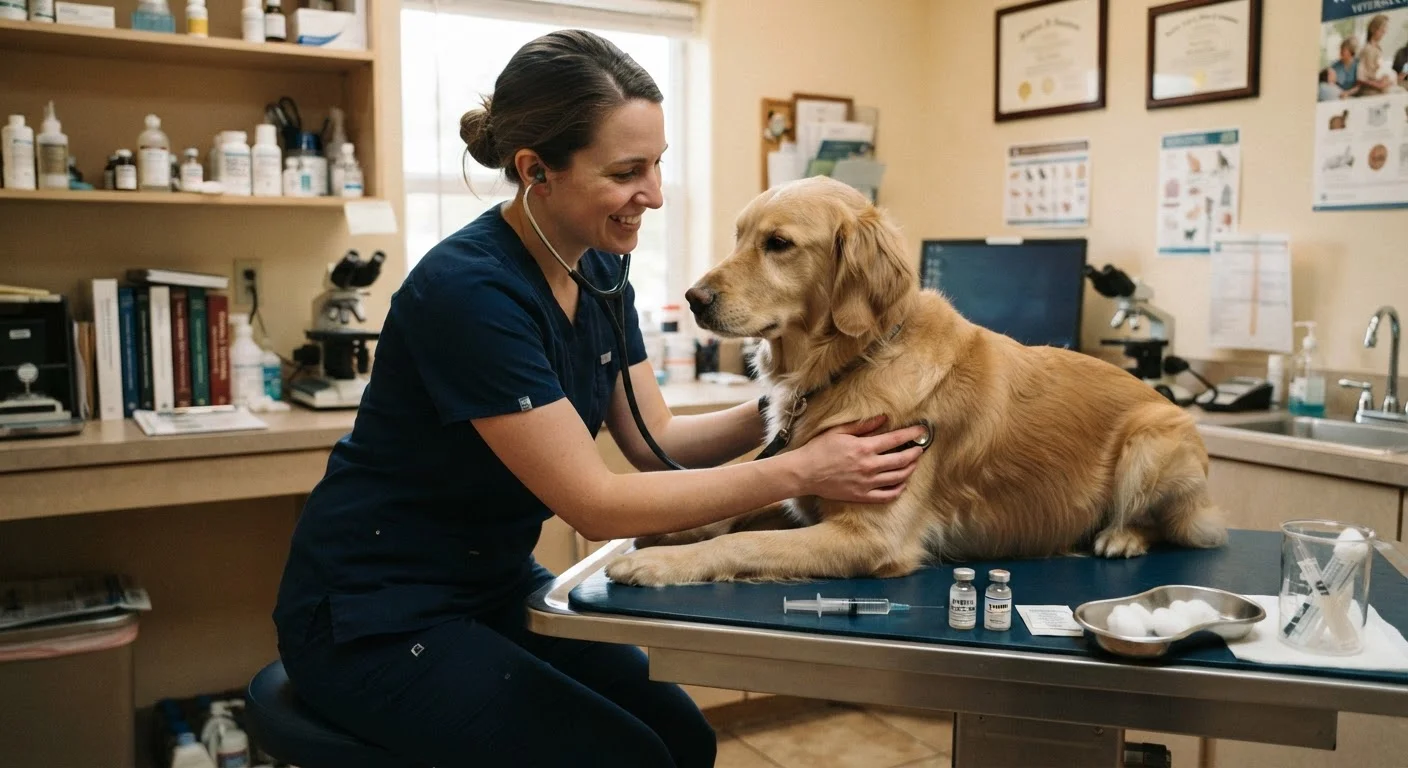
Photo credit: Infolagoon.com | Blogs To Rely On
From 'indoor pets don't need vaccines' to fears about overvaccination—here's what the evidence actually shows.
Key Takeaways
- Indoor pets still face real vaccination risks from airborne pathogens, human transmission, and escape scenarios.
- Vaccines do not cause the diseases they protect against — mild post-vaccine symptoms are a normal immune response.
- Overvaccination concerns are valid, but modern titer testing and extended schedules address them responsibly.
- Core vaccines are recommended for virtually all pets regardless of lifestyle or perceived risk level.
- Skipping boosters can leave pets unprotected even if they received puppy or kitten vaccines years earlier.
Why Vaccine Myths Persist — And Why They Matter
Misinformation about pet vaccines spreads easily, especially online, and it has real consequences. Vaccine-preventable diseases like parvovirus, distemper, and rabies still circulate in domestic animal populations. When pet owners delay or skip vaccinations based on misconceptions, they expose their animals — and in some cases, their communities — to unnecessary risk.
Understanding what the evidence actually shows helps owners make informed decisions in partnership with their veterinarians. For a deeper look at which vaccines fall into which category, see our guide to core vs. non-core vaccine schedules.
Myth
My pet lives indoors, so they don't need vaccines.
Fact
Indoor pets can still be exposed to pathogens through open windows, airborne transmission, new animals, or brief outdoor excursions.
Feline panleukopenia virus and feline herpesvirus, for example, can be carried in on clothing or shoes. Rabies vaccines are legally required in most U.S. states regardless of whether a cat ever goes outside. Even a momentary escape or a visit to the groomer creates exposure risk. The AAFP designates several vaccines as core for all cats — indoor status does not exempt them.
Myth
Vaccines can give my pet the disease they're supposed to prevent.
Fact
Licensed pet vaccines do not contain active, disease-causing pathogens capable of producing the full illness in healthy animals.
Most modern veterinary vaccines use killed pathogens, protein subunits, or modified-live strains specifically attenuated so they cannot replicate to disease-causing levels. Mild lethargy or soreness at the injection site in the 24–48 hours following vaccination is a normal immune response — not an infection. True vaccine-induced illness is extremely rare and is not the same as contracting the disease naturally.
Myth
Once vaccinated as a puppy or kitten, my pet is protected for life.
Fact
Immunity from vaccines wanes over time; most core vaccines require booster doses to maintain adequate protection throughout a pet's life.
Maternal antibodies can also interfere with early-life vaccines, which is one reason the initial puppy and kitten series involves multiple doses given weeks apart. After the first year boosters, some core vaccines (like canine distemper-parvovirus combinations) may be administered every three years rather than annually, but they still require periodic re-administration. A veterinarian can assess immunity levels and advise on appropriate intervals.
Myth
Vaccinating too often is dangerous and causes chronic illness.
Fact
Concerns about overvaccination are taken seriously by veterinary bodies, which is why protocols have been updated — but the claim that vaccines routinely cause chronic disease is not supported by current evidence.
The AAHA and AAFP revised their guidelines partly in response to concerns about unnecessary boosters, leading to the shift from annual to triennial core vaccine schedules for many adult pets. Titer testing — measuring existing antibody levels in the blood — is an option that allows some pets to skip a booster when adequate immunity is already present. Vaccine-associated sarcoma in cats is a documented, rare risk that has prompted changes in injection sites and protocols, and it is actively studied. These refinements reflect responsible science, not evidence that vaccination itself is broadly harmful.
Myth
Natural immunity from surviving an illness is better than vaccine-induced immunity.
Fact
While natural infection can produce strong immunity, it requires the animal to survive a potentially severe or fatal disease — a serious and unnecessary gamble.
Parvovirus kills a significant percentage of unvaccinated dogs that contract it, particularly puppies. Waiting for natural exposure to build immunity means accepting that risk. Vaccines provide protection without requiring the animal to suffer through the illness. In some cases, vaccine-induced immunity is highly durable and comparable to natural infection; the key difference is that vaccines achieve this without endangering the animal's life.
What the Evidence Actually Supports
Veterinary immunology has advanced considerably over the past two decades. Guidelines from organizations such as the American Animal Hospital Association (AAHA) and the American Association of Feline Practitioners (AAFP) now reflect a more nuanced approach — distinguishing core vaccines that every pet needs from non-core vaccines tailored to lifestyle and risk. This means your veterinarian isn't applying a one-size-fits-all protocol; they're calibrating recommendations to your specific animal.
~90%
Reduction in canine parvovirus cases with widespread vaccination
Veterinary epidemiologists credit widespread vaccination campaigns with dramatically reducing parvovirus incidence since the vaccine's introduction in the late 1970s.
~50 U.S. states
States with rabies vaccine requirements for dogs
Rabies vaccination is mandated by law for dogs in all 50 U.S. states, and for cats in the majority of states, reflecting the public health importance of the vaccine.
3 years
Booster interval for many adult core vaccines
Updated AAHA guidelines allow triennial (every-three-year) boosters for several core vaccines in adult dogs once the initial series and one-year boosters are complete.
Preventive care decisions, including vaccination, are also closely connected to other foundational health habits. Just as dental health is often underestimated until problems arise, vaccine protection tends to be invisible when it's working — which can make it easy to discount. In multi-pet homes, up-to-date vaccination status is especially important; our article on managing disease in multi-pet households explores why.
Don't Skip Vaccines Based on Online Anecdotes
Personal stories about pets supposedly harmed by vaccines circulate widely but rarely include full veterinary context — such as pre-existing conditions, concurrent illnesses, or coincidental timing. Anecdotes are not a substitute for peer-reviewed evidence or individualized veterinary guidance. If you have concerns about a specific vaccine, discuss them directly with your veterinarian rather than avoiding vaccination altogether.
This article is for general informational and educational purposes only and does not constitute veterinary medical advice. Always consult a licensed veterinarian for guidance specific to your pet's health needs and vaccination schedule.

Author
Pets & Animals Editorial Team
Pets & Animals Editorial Team is the collective byline for our editorial team and contributor network. Articles published under this byline or an editorial pen name are researched, written, and reviewed according to our editorial standards for clarity, consistency, and independence before publication.
View all articles →