
Smoke and Carbon Monoxide Detectors: What Most Homeowners Get Wrong
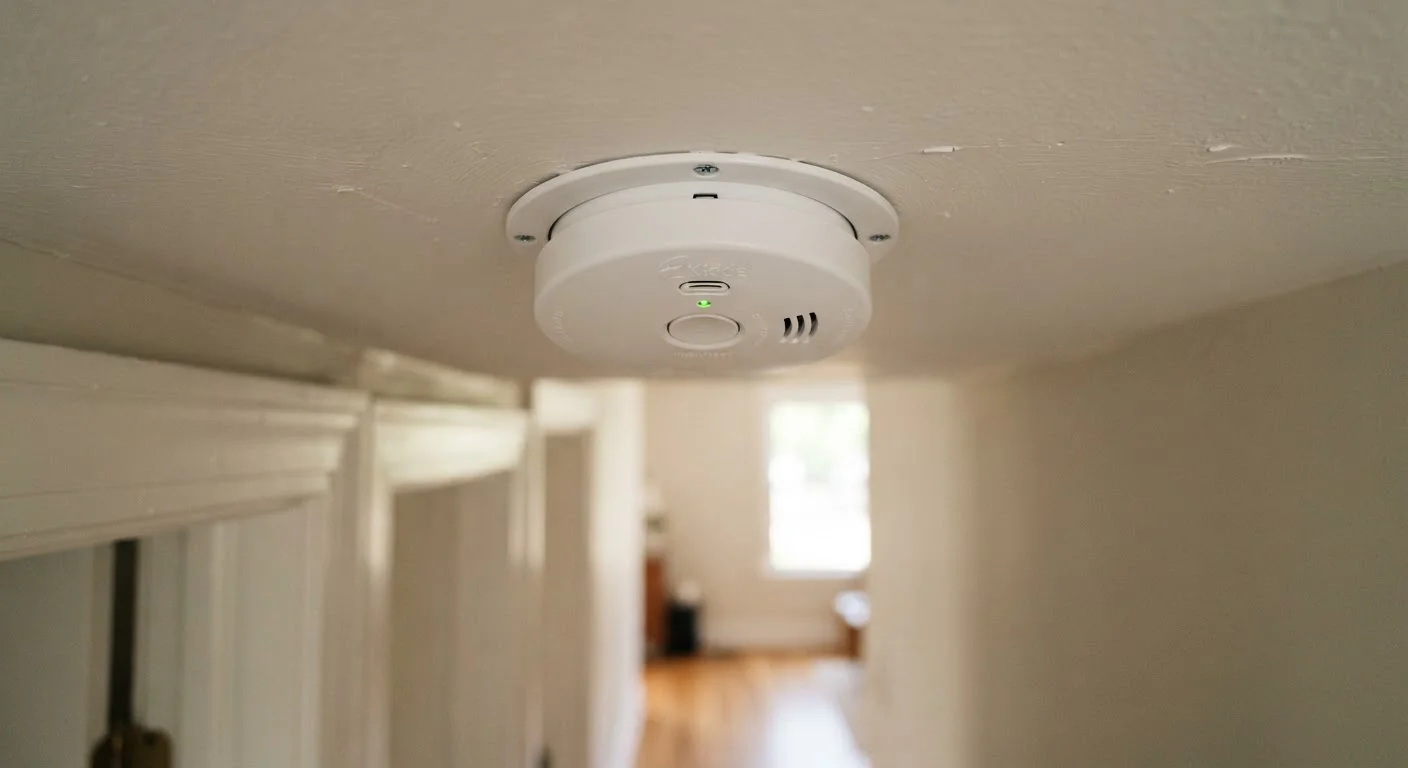
Photo credit: Infolagoon.com | Blogs To Rely On
In this article
Placement, testing frequency, and battery type all affect detector reliability. Common oversights — and the simple habits that correct them.
Key Takeaways
- Most detectors lose reliable sensitivity after 10 years and should be replaced on schedule.
- Placement near kitchens, bathrooms, or air vents causes nuisance trips and disabled devices.
- Carbon monoxide detectors serve a distinct purpose and cannot substitute for smoke alarms.
- Testing monthly — not just at daylight saving time — is the standard recommended by fire safety organizations.
- Interconnected alarms give every household member more response time during a real emergency.
Why Getting Detector Basics Right Actually Matters
Smoke and carbon monoxide detectors are among the least expensive safety investments a homeowner can make — and among the most frequently mismanaged. The devices sit on ceilings for years, rarely noticed until a battery chirps or an alarm sounds. That invisibility breeds complacency, and complacency leads to a predictable set of errors.
Most of the mistakes homeowners make are not the result of carelessness. They stem from outdated habits, incomplete guidance, or the reasonable but incorrect assumption that a detector that beeps when pressed is a detector that works. Understanding where the common errors occur is the first step toward correcting them.
This kind of routine attention is part of the broader maintenance mindset described in our piece on the hidden costs of deferred home maintenance. Small oversights compound quietly until they become consequential.
The Most Common Detector Mistakes — and How to Fix Them
The errors below are drawn from patterns documented by fire safety organizations and home inspection professionals. Each one is correctable with minimal cost or effort.
Placing detectors too close to kitchens or bathrooms, then disabling them after repeated false alarms.
Why it happens: Cooking steam, toast smoke, and shower humidity regularly trigger alarms installed in high-traffic areas, and homeowners remove batteries to stop the noise.
Assuming one combination alarm replaces the need for separate CO and smoke devices.
Why it happens: Combination units are convenient, but homeowners sometimes install fewer total devices, leaving areas of the home uncovered.
Testing detectors only when daylight saving time changes, rather than monthly.
Why it happens: The twice-yearly battery-change reminder is widely shared, so many homeowners believe that schedule is sufficient for testing too.
Keeping detectors in service past their replacement date.
Why it happens: If a detector still beeps when tested, most homeowners assume it is working correctly, regardless of age.
Installing detectors directly above air vents or ceiling fans.
Why it happens: Mounting a detector on the nearest convenient ceiling spot is standard practice, and vent locations are easy to overlook.
Relying solely on stand-alone alarms with no interconnection between units.
Why it happens: Interconnecting alarms can feel like an unnecessary upgrade, especially in older homes without wiring for it.
For homeowners exploring interconnected or smart detector options, it is worth reviewing compatibility and connectivity requirements before purchasing. Our guide on what to check before buying any smart home device covers the questions worth asking first.
Building a Reliable Maintenance Routine
Carbon Monoxide Is Invisible and Odorless
CO detectors and smoke alarms perform completely different functions. A home with only one type is not fully protected. Install both, verify each device is rated for its specific hazard, and never remove a detector because of false alarms — address the cause of nuisance trips instead.
A practical detector maintenance routine has three components: monthly testing, annual physical inspection, and scheduled replacement. Monthly testing means pressing the test button on every unit and confirming the alarm sounds. Annual inspection means checking each unit for dust accumulation — a soft vacuum brush along the vents is sufficient — and verifying the manufacture date on the back.
Scheduled replacement means tracking when each unit was manufactured and replacing it on time, regardless of whether it still appears functional. Write the replacement year in marker on the mounting bracket when you install a new unit so it is visible without removing the device.
3 in 5
Home fire deaths with no working smoke alarm
According to the NFPA, roughly three of every five home fire deaths occur in properties with no smoke alarms or non-functioning alarms.
10 years
Maximum recommended smoke alarm lifespan
The NFPA and most manufacturers recommend replacing smoke alarms no later than 10 years from the manufacture date printed on the unit.
If your home has aging electrical systems alongside aging detectors, it is worth reviewing both together. Electrical hazards and detection failures often share the same root cause: deferred maintenance. See our article on home electrical safety myths for a parallel look at how misinformation affects another critical home system.
This article provides general home maintenance information only. For specific code requirements, consult your local fire marshal's office or a licensed home inspector familiar with your jurisdiction.

Author
Home & Living Editorial Team
Home & Living Editorial Team is the collective byline for our editorial team and contributor network. Articles published under this byline or an editorial pen name are researched, written, and reviewed according to our editorial standards for clarity, consistency, and independence before publication.
View all articles →