
Home Electrical Safety Myths That Put Homeowners at Risk
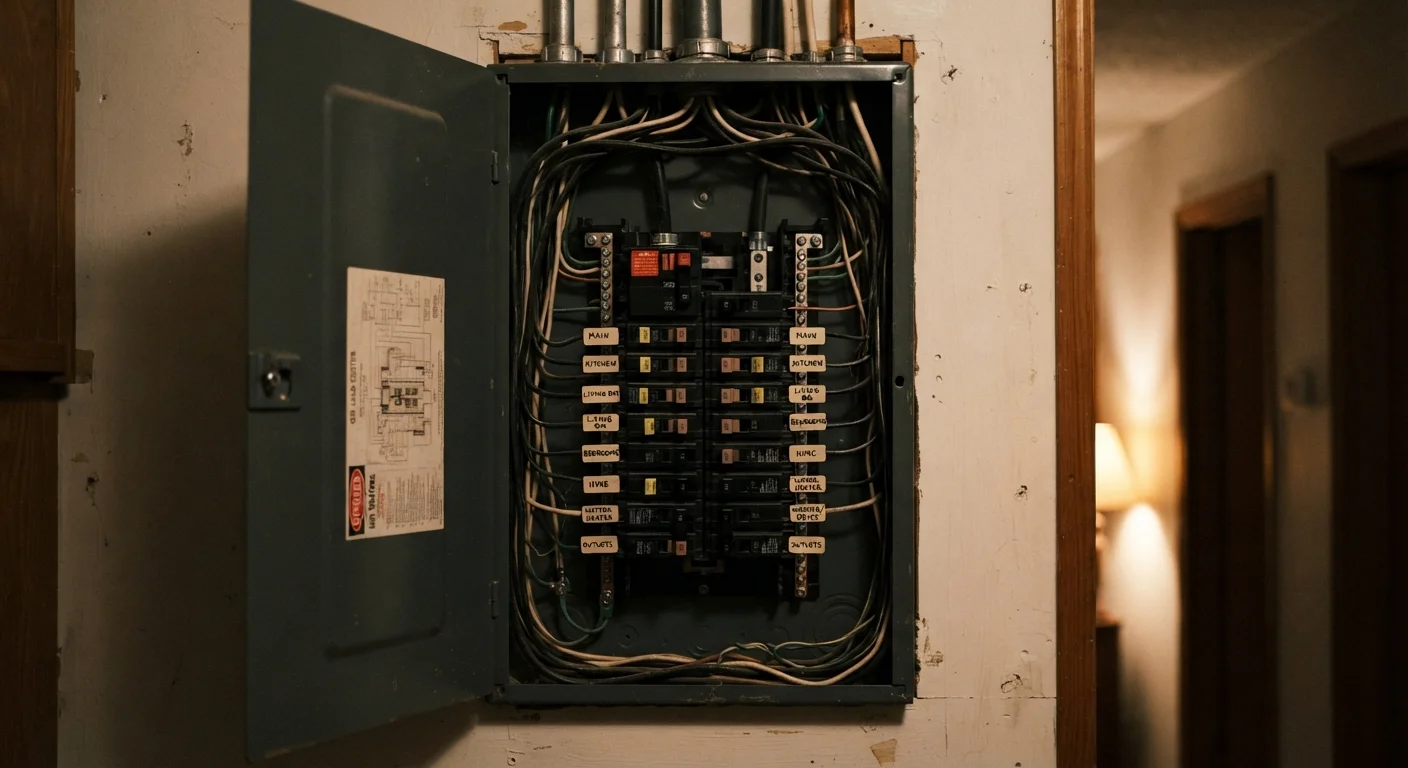
Photo credit: Infolagoon.com | Blogs To Rely On
From rubber gloves to breaker box assumptions, common electrical myths can lead to real danger. Here's what the facts actually say.
Key Takeaways
- Household rubber gloves do not provide reliable protection against electrical shock.
- A tripped breaker returning to 'on' does not mean the underlying problem is resolved.
- Low-voltage wiring can still cause injury or start fires under certain conditions.
- Many electrical tasks legally require a licensed electrician and a permit in most U.S. jurisdictions.
Why Electrical Myths Are Especially Dangerous
Myths about home maintenance are common — but electrical myths carry an unusually high cost. Unlike a badly painted wall or a misapplied caulk bead, acting on false assumptions about electricity can cause house fires, electrocution, or permanent injury. The problem is that many of these beliefs sound reasonable on the surface, which is exactly what makes them so persistent.
This article walks through the most common electrical misconceptions homeowners hold, and replaces each one with what safety professionals and electrical codes actually say. Whether you're a confident DIYer or someone who prefers to leave most things to the pros, understanding these facts helps you make safer decisions — and know when to call a licensed electrician.
For a deeper look at what your breaker box is actually telling you, see our guide to reading your home's electrical panel safely.
Myth
Regular rubber gloves protect you from electrical shock.
Fact
Standard household rubber gloves offer little to no reliable protection against electrical current.
Electrically rated gloves — classified by ASTM standards into voltage classes — are purpose-built with specific rubber compounds, wall thicknesses, and testing protocols. The dish gloves or cleaning gloves in your cabinet have not been tested for dielectric (electrical insulation) performance and may have small holes, thin spots, or degraded material that makes them fail without warning. Only gloves labeled and rated for electrical work by a recognized testing body should be trusted near live circuits — and even then, live electrical work should generally be left to licensed professionals.
Myth
If a breaker trips and resets, the problem is fixed.
Fact
Resetting a tripped breaker clears the symptom, not the cause.
A breaker trips because it detected an overload or fault condition — too much current, a short circuit, or a ground fault. Flipping it back to 'on' restores power but does nothing to address whatever caused the trip in the first place. If a breaker trips repeatedly, that's a signal something is wrong: a failing appliance, an overloaded circuit, deteriorating wiring, or a problem with the breaker itself. A licensed electrician should diagnose recurring trips rather than the homeowner continuing to reset and hope.
Myth
Low-voltage wiring — like doorbell or thermostat wire — can't hurt you or start a fire.
Fact
Low-voltage wiring can cause burns, equipment damage, and in some cases fires.
"Low voltage" refers to systems typically running below 50 volts — doorbells, thermostats, irrigation controllers, and speaker wire. While the shock risk to people is significantly lower than with line-voltage (120V/240V) circuits, these wires can still arc, overheat, or spark, especially if insulation is damaged or wires are improperly spliced. Poorly terminated low-voltage connections have been documented as ignition sources in wall fires. Treat any wiring task carefully and consult manufacturer instructions and applicable codes.
Myth
A light switch that sparks occasionally is just normal wear.
Fact
Sparking switches can indicate arcing, which is a recognized fire hazard.
A very brief, tiny spark when you flip a switch off can be caused by normal load break — current briefly continuing to flow as the contacts separate. However, visible sparks, sparks that occur when turning a switch on, burning smells, discoloration around a switch plate, or any sparking that seems to be increasing in frequency are warning signs. Arcing inside walls is a leading cause of electrical house fires. A switch showing these signs should be evaluated by a licensed electrician promptly, not ignored.
Myth
As long as a circuit has a ground wire, it's safe.
Fact
A grounding wire only protects under certain fault conditions — it does not make a circuit fully safe on its own.
A grounding conductor gives fault current a path back to the panel, which should trip the breaker — but only if the fault current is high enough. A high-impedance ground fault (where a small, dangerous amount of current leaks through a person or appliance) may not trip a standard breaker at all. That's precisely why GFCI (ground fault circuit interrupter) protection exists: it detects even small current imbalances and cuts power in milliseconds. Grounding and GFCI protection serve related but distinct safety functions — neither replaces the other.
What Homeowners Should Do Instead
Replacing these myths with accurate knowledge is the first step. The next is knowing how to act on that knowledge safely.
Permits and Licensed Electricians Are Required by Law
In most U.S. states and municipalities, electrical work beyond simple fixture replacements requires a permit and must be performed or inspected by a licensed electrician. This includes panel upgrades, new circuit runs, and service changes. Unpermitted electrical work can be flagged during a home sale, may void your homeowner's insurance in a claim, and — most critically — may not be safe. Always verify your local requirements before starting any electrical project.
- Never assume a job is safe to DIY without checking local codes. Most U.S. jurisdictions require permits and licensed electricians for panel work, new circuit installation, and service upgrades. Unpermitted electrical work can complicate home sales and void insurance claims.
- Test GFCI outlets monthly. Ground fault circuit interrupters (GFCIs) — those outlets with test and reset buttons found in kitchens, bathrooms, and garages — can fail silently. Press the test button and verify the outlet loses power, then reset it.
- Replace frequently tripping breakers promptly. A breaker that trips repeatedly is a warning sign worth investigating by a licensed professional, not something to work around with a higher-amperage replacement.
- Install smoke and carbon monoxide detectors correctly. Electrical faults are a leading cause of house fires — pairing good electrical habits with properly placed detectors adds a critical layer of protection. Our article on what homeowners get wrong about smoke and CO detectors covers placement and testing in detail.
Don't Increase Breaker Amperage to Stop Tripping
Replacing a breaker with a higher-amperage model to prevent it from tripping is a serious fire hazard. The breaker's rating must match the wire gauge it protects — a 20-amp breaker on 15-amp wire, for example, allows more current than the wire can safely carry. This is one of the most common causes of electrical fires from DIY panel modifications. If your breaker trips frequently, have a licensed electrician diagnose the circuit — do not simply swap in a larger breaker.
This article is for general informational purposes only and does not constitute electrical, legal, or safety advice. Always consult a licensed electrician and verify local permit requirements before undertaking any electrical work in your home.

Author
Home & Living Editorial Team
Home & Living Editorial Team is the collective byline for our editorial team and contributor network. Articles published under this byline or an editorial pen name are researched, written, and reviewed according to our editorial standards for clarity, consistency, and independence before publication.
View all articles →