
HVAC Filters, Coils, and Airflow: The Maintenance Basics Every Homeowner Should Understand
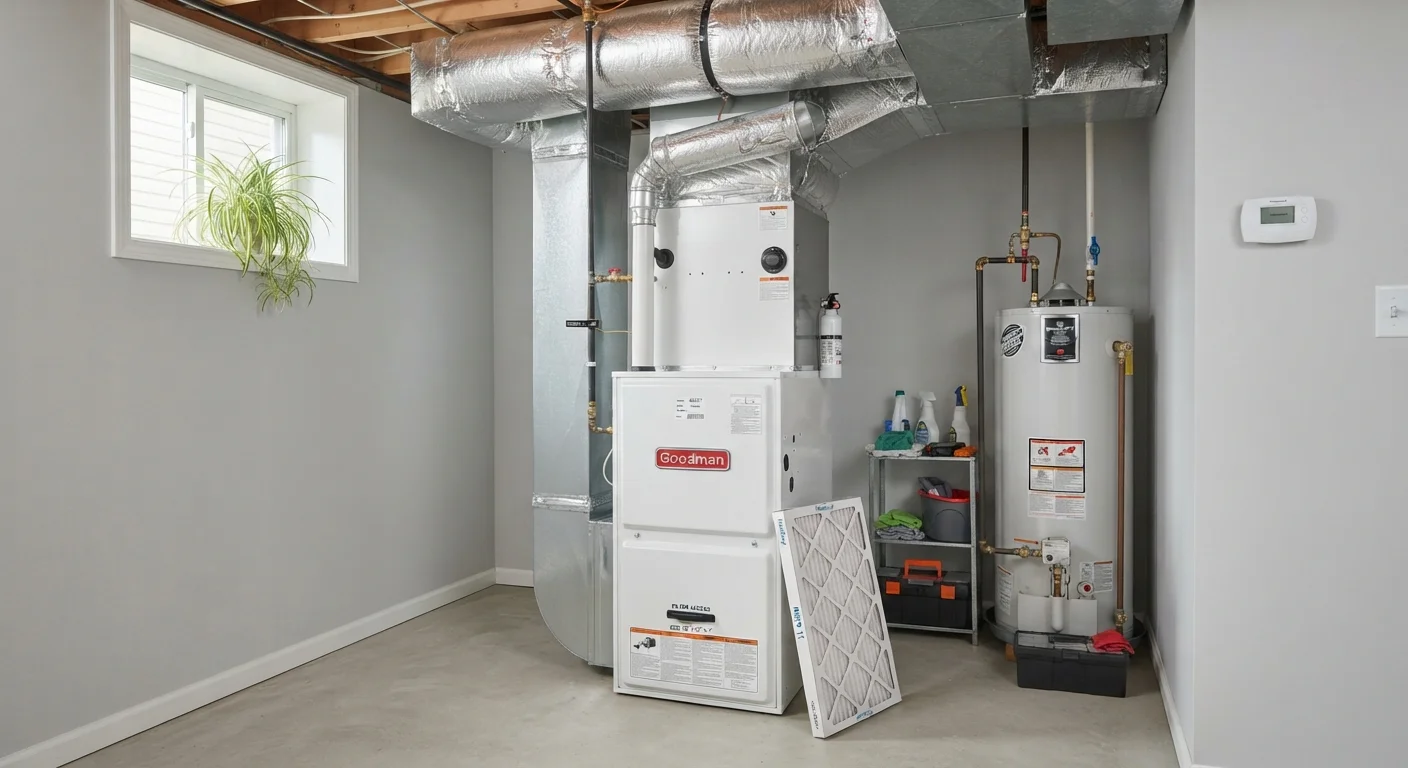
Photo credit: Infolagoon.com | Blogs To Rely On
In this article
Learn what keeps your heating and cooling system running efficiently, from filter changes to coil cleaning and when to call a technician.
Key Takeaways
- Replacing air filters on schedule is the single highest-impact DIY maintenance task for any HVAC system.
- Dirty evaporator and condenser coils reduce efficiency and can cause system failures if left uncleaned.
- Blocked or closed vents restrict airflow and force the system to work harder, raising energy use.
- Most coil cleaning and refrigerant-related work should be done by a licensed HVAC technician.
- Routine professional tune-ups — typically once or twice a year — catch problems before they become costly repairs.
Why HVAC Maintenance Matters More Than You Think
Your heating and cooling system is likely the largest energy consumer in your home, and it runs quietly in the background — which makes it easy to ignore until something goes wrong. The problem is that HVAC systems degrade gradually. A slightly dirty filter, a dusty coil, or a partially blocked vent each chips away at efficiency in ways that rarely trigger an alarm but reliably inflate your utility bills and shorten equipment life.
Routine upkeep isn't just about comfort — it's a cost-management strategy. Systems that are well-maintained tend to last longer and require fewer emergency repairs. As our guide on the hidden costs of deferred home maintenance explains, small neglected issues have a way of compounding into much larger expenses. HVAC is one of the clearest examples of that principle.
The good news: the most impactful maintenance tasks are straightforward, inexpensive, and well within reach of any homeowner.
Air Filters: What They Do and How Often to Change Them
The air filter sits in the return-air path of your system and captures airborne particles — dust, pet dander, pollen, mold spores — before they reach the blower, coils, and ductwork. A clean filter protects system components and helps maintain indoor air quality. A clogged filter does the opposite: it starves the system of airflow, forces the blower to work harder, and can cause the evaporator coil to freeze.
MERV rating
MERV stands for Minimum Efficiency Reporting Value. It's a scale (1–16 for residential) that rates how effectively a filter captures airborne particles — higher numbers capture smaller particles but also restrict airflow more.
Evaporator coil
The indoor coil located in your air handler that absorbs heat from the air inside your home. When refrigerant passes through it, it cools the air before the blower circulates it back into your living spaces.
Condenser coil
The outdoor coil that releases the heat collected from inside your home to the outside air. It's the component inside your outdoor compressor unit.
Static pressure
The resistance to airflow inside a duct system. High static pressure — caused by clogged filters or closed vents — forces the blower to work harder, reducing efficiency and potentially shortening its lifespan.
Return air grille
The large vent (usually without individual louvers) that pulls room air back into the HVAC system to be filtered, heated, or cooled and redistributed. Blocking it starves the system of airflow.
Mastic sealant
A flexible, paste-like compound used to seal joints and seams in ductwork. It's more durable than adhesive tape for long-term duct sealing in attics, basements, and crawlspaces.
Filter Types at a Glance
- Fiberglass panel filters (MERV 1–4): Inexpensive and low-resistance, but they capture only large particles. Adequate for basic equipment protection, not ideal for air quality.
- Pleated media filters (MERV 8–11): The practical choice for most homes. Good particle capture without significantly restricting airflow.
- High-efficiency filters (MERV 13+): Excellent filtration, but they require higher system static pressure capacity. Check your HVAC manual before upgrading.
Replacement Frequency Guidelines
Standard 1-inch filters: every 1–3 months. Homes with pets or allergy sufferers: monthly. Thick media filters (4–5 inches): every 6–12 months per manufacturer guidance. When in doubt, pull the filter out and hold it up to light — if you can't see light through it, it's time for a change.
Set a Filter Change Reminder
The simplest way to stay on schedule is to tie filter changes to something you already do regularly — like paying a monthly bill or changing smoke detector batteries. Write the installation date directly on the filter frame with a marker so you always know how long it's been in use. Keeping one or two spare filters on hand removes the friction of making a separate trip when it's time.
Coil Cleaning: Evaporator and Condenser Explained
Your HVAC system has two sets of coils that work together to move heat: the evaporator coil (indoors, inside the air handler) and the condenser coil (outdoors, inside the compressor unit). Both need to transfer heat efficiently, and both lose that ability when coated in dust, dirt, or biological growth.
Evaporator Coil
Located above the furnace or air handler, the evaporator coil absorbs heat from indoor air. When it gets dirty, it can't absorb heat efficiently, cooling capacity drops, and the coil may ice over. Because it's tucked inside the unit and often difficult to access without disassembly, evaporator coil cleaning is typically part of a professional annual service visit.
Condenser Coil
The outdoor condenser unit rejects heat to the outside air. Grass clippings, cottonwood seeds, and general outdoor debris clog the fins over time. Homeowners can help by keeping vegetation trimmed at least 18–24 inches back from the unit, and by gently rinsing the fins with a garden hose (from the inside out if possible) after shutting off power at the disconnect box. Avoid pressure washers — they bend the thin aluminum fins and reduce airflow.
Always Shut Off Power Before Cleaning
Before rinsing the condenser unit or removing any access panel on your HVAC equipment, turn off the system at the thermostat AND at the outdoor disconnect box or breaker. Do not rely on the thermostat alone — the unit can still receive power. Working around live electrical components without proper training creates a serious risk of shock or injury.
For a broader seasonal perspective, see our pre-winter home inspection checklist, which covers heating system readiness alongside insulation and weatherproofing.
Airflow: Vents, Registers, and Ductwork
Even a perfectly clean filter and spotless coils can't compensate for an airflow problem in the distribution system. Balanced airflow — the right amount of conditioned air reaching each room and returning to the system — is essential for both efficiency and comfort.
Common Airflow Mistakes
- Closing supply vents in unused rooms: This is a widespread misconception. Closing vents increases static pressure in the duct system, which strains the blower and can cause duct leakage. Most residential HVAC systems are not designed for zone-style operation through closed registers.
- Blocking return vents: Furniture placed in front of return-air grilles restricts the air the system needs to pull back for reconditioning. Keep a clear path of at least a foot or two around return grilles.
- Leaky ductwork: According to the U.S. Department of Energy, leaky ducts in unconditioned spaces (like attics and crawlspaces) can account for significant energy losses. Sealing accessible duct joints with mastic sealant or metal-backed tape — not standard duct tape — is a worthwhile improvement.
Proper home ventilation goes hand in hand with HVAC performance. Our room-by-room ventilation guide covers how each space in your home should be handling air movement and moisture control.
When to Call a Licensed HVAC Technician
DIY maintenance has real limits. The following tasks require a licensed HVAC technician and should not be attempted without proper training and certification:
- Refrigerant charging, leak testing, or handling — federal law requires EPA Section 608 certification for refrigerant work.
- Electrical component inspection and replacement (capacitors, contactors, control boards).
- Evaporator coil cleaning and detailed internal inspection.
- Combustion analysis and heat exchanger inspection on gas furnaces.
- Duct pressure testing and balancing.
A standard professional tune-up — once before cooling season and once before heating season — typically covers most of these checks. It's also a good time to ask the technician about the condition of your system's components and realistic remaining service life.
Building this into your annual home schedule helps you stay ahead of surprises. Our seasonal home maintenance calendar is a practical place to map out when these tasks fit alongside the rest of your home upkeep.
This article is for general informational purposes only. HVAC systems vary by manufacturer, age, and configuration. Always follow your equipment manufacturer's guidelines and consult a licensed HVAC professional for work beyond basic filter replacement and exterior cleaning.
Frequently Asked Questions

Author
Home & Living Editorial Team
Home & Living Editorial Team is the collective byline for our editorial team and contributor network. Articles published under this byline or an editorial pen name are researched, written, and reviewed according to our editorial standards for clarity, consistency, and independence before publication.
View all articles →