
Why Grout Keeps Cracking — and What's Actually Causing It
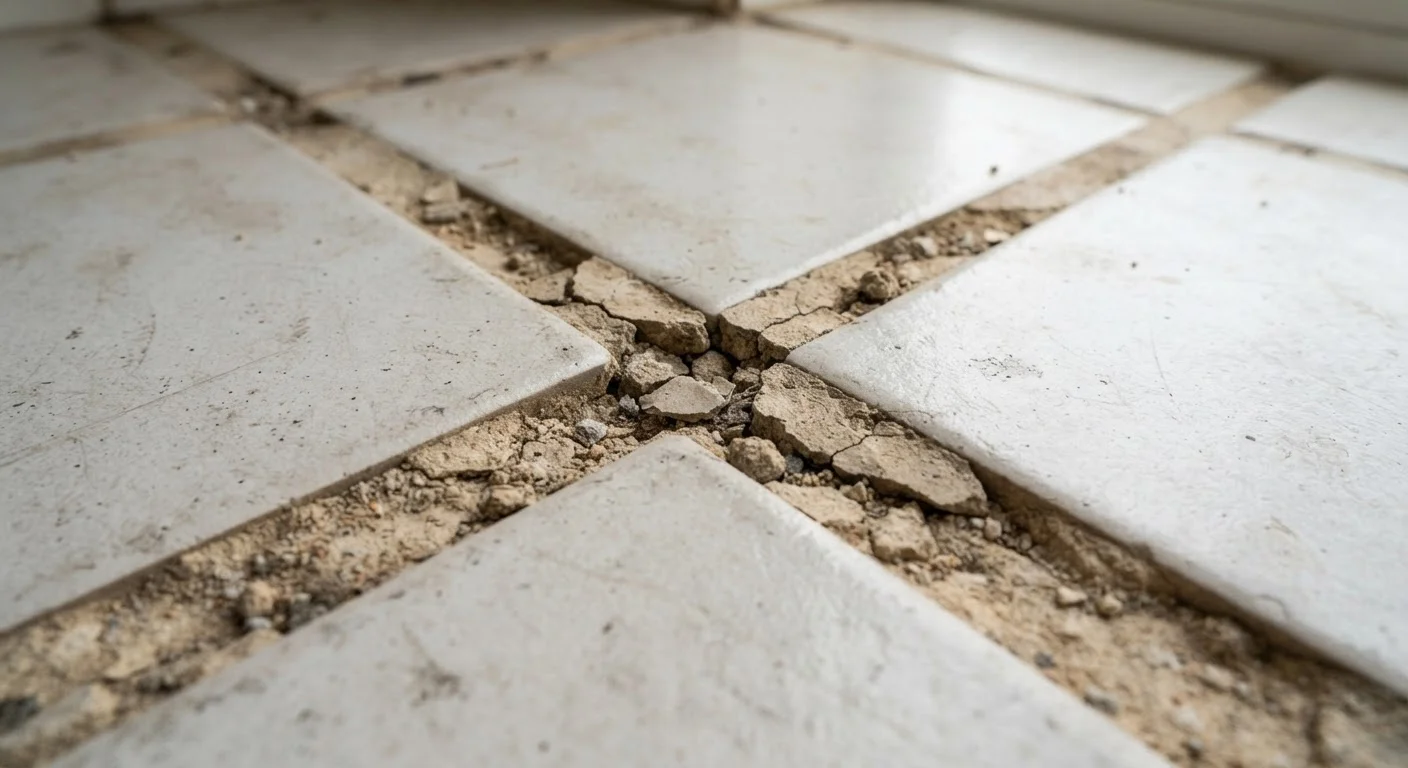
Photo credit: Infolagoon.com | Blogs To Rely On
In this article
Regrouting only to watch cracks return? Discover the structural and application reasons grout fails repeatedly, and how to address the root cause.
Key Takeaways
- Cracking grout is usually caused by underlying structural movement, not the grout product itself.
- Poor surface prep, wrong grout type, and missing expansion joints are among the most common culprits.
- Patching over cracked grout without fixing the root cause guarantees the problem will return.
- Some grout failures signal issues — like subfloor flex or foundation movement — that need professional assessment.
The Real Reason Grout Keeps Coming Back Cracked
If you've regrouted a tile surface only to watch the same cracks reappear within weeks or months, you're not dealing with bad luck — you're dealing with an unresolved root cause. Grout is a rigid material. It bonds tile joints, resists moisture, and looks clean when applied correctly, but it has almost no tolerance for movement. When the structure beneath or around it shifts even slightly, grout is the first thing to show it.
Understanding why grout fails repeatedly is the only way to stop the cycle. The mistakes below are the most common reasons homeowners find themselves regroutting the same spots over and over — and what to do instead.
Regrouting over the existing cracked grout without removing it first.
Why it happens: It feels faster and less disruptive to apply fresh grout on top of the old. Many homeowners assume the new layer will bond and hold.
Using the wrong type of grout for the tile size, location, or joint width.
Why it happens: Grout packaging can be confusing, and many people choose based on color or familiarity rather than technical specs.
Installing tile over a subfloor that has too much flex or movement.
Why it happens: Tile and grout require a rigid, deflection-free surface. Subfloors that feel solid underfoot may still flex enough under load to crack grout over time.
Skipping expansion joints at walls, corners, and large tile field breaks.
Why it happens: Expansion joints — typically filled with flexible caulk rather than grout — are often overlooked in DIY installations because their purpose isn't obvious until movement occurs.
Mixing grout too wet or applying it when conditions are too warm.
Why it happens: A looser mix is easier to spread, and outdoor or bathroom heat seems harmless. Both conditions cause the grout to cure unevenly and develop internal weakness.
Neglecting to seal grout after installation and after repairs.
Why it happens: Sealing feels like an optional finishing step, especially when the newly grouted surface already looks clean and intact.
When Grout Cracks Signal Something Bigger
Not every cracked grout line is a DIY fix. In some cases, grout failure is the surface symptom of a more serious structural problem. If you notice diagonal cracking patterns, grout failure across large tile areas simultaneously, or doors and windows that have recently started sticking, the movement may be coming from deeper in your home's structure.
Don't Ignore Widespread or Diagonal Cracking
If grout is cracking in a diagonal pattern, across multiple rooms, or along large sections of a tile field simultaneously, this may indicate structural movement beyond normal settling. Do not simply regrout without investigation. Contact a licensed contractor or structural engineer to assess whether the subfloor, slab, or foundation requires attention before any repair work begins.
Persistent cracking in floor tiles — particularly in a basement or on a concrete slab — can sometimes correlate with foundation movement. Our guide on reading foundation cracks by shape and location explains how to distinguish normal settling from signs that warrant a licensed structural engineer's review.
Similarly, if you're seeing caulk fail around the same joints where grout cracks, the two problems often share the same cause. See what our coverage of why caulking fails prematurely reveals about surface movement and prep errors that affect both materials.
This article provides general home maintenance information only. For structural concerns or work involving permits, consult a licensed contractor or structural engineer.

Author
Home & Living Editorial Team
Home & Living Editorial Team is the collective byline for our editorial team and contributor network. Articles published under this byline or an editorial pen name are researched, written, and reviewed according to our editorial standards for clarity, consistency, and independence before publication.
View all articles →