
Macronutrients Explained: What Carbs, Protein, and Fat Actually Do in Your Body
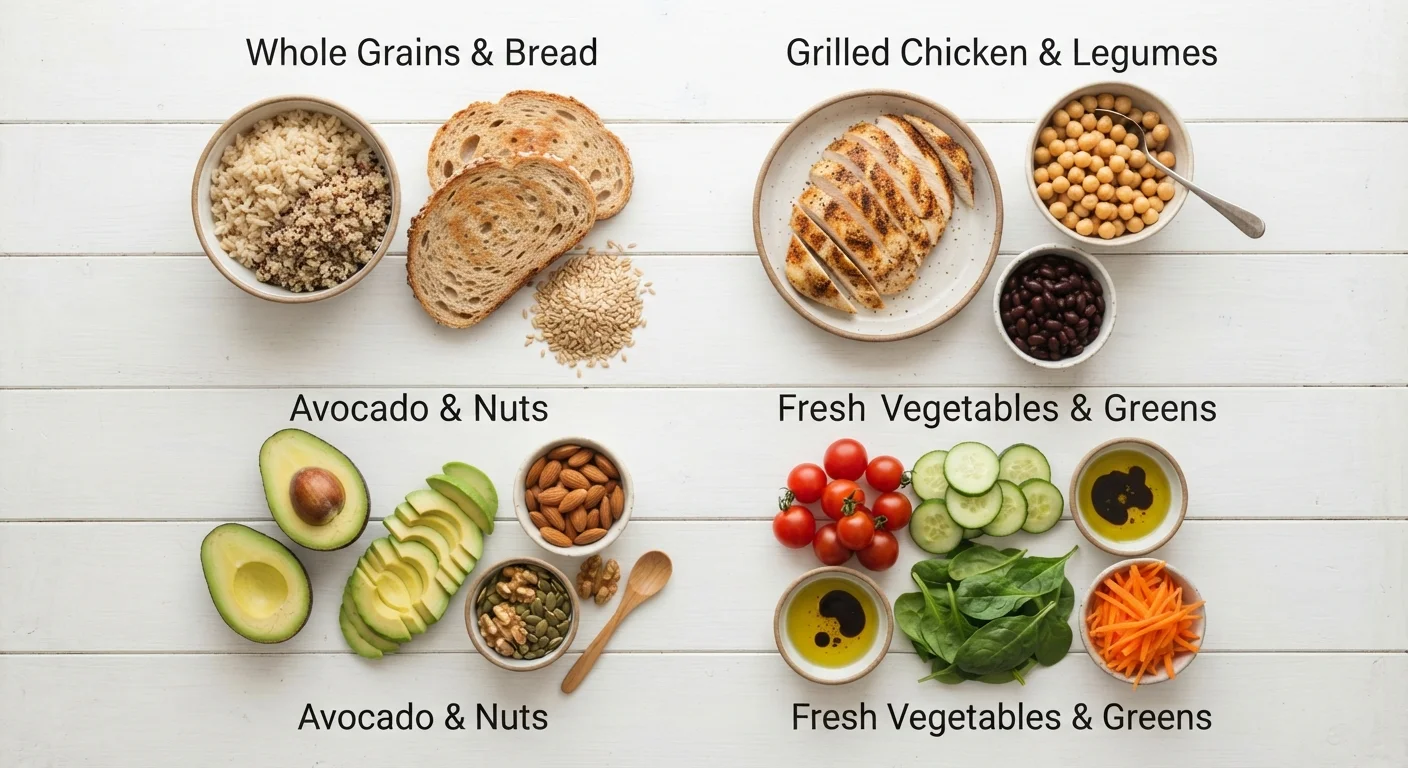
Photo credit: Infolagoon.com | Blogs To Rely On
In this article
Learn what macronutrients are, how each one fuels your body, and why cutting any of them out entirely may not serve your health.
Key Takeaways
- All three macronutrients - carbs, protein, and fat - serve distinct, necessary functions in the body.
- Carbohydrates are the body's primary and preferred energy source, especially for the brain.
- Protein is essential for building and repairing tissues, and for producing hormones and enzymes.
- Dietary fat supports cell structure, hormone production, and absorption of fat-soluble vitamins.
- Eliminating any macronutrient entirely can disrupt normal body function and is rarely supported by mainstream nutrition science.
- The quality of macronutrients - not just the quantity - matters greatly for overall health.
Carbohydrates: Your Body's First Choice for Fuel
Carbohydrates are the body's primary energy source. When you eat carbs - whether from bread, fruit, beans, or vegetables - your digestive system breaks them down into glucose, a simple sugar that circulates in the blood and powers your cells. Your brain, in particular, relies heavily on a steady glucose supply to function properly.
Not all carbohydrates work the same way. Simple carbohydrates, like those in white bread or sugary drinks, break down quickly and can cause rapid shifts in blood sugar. Complex carbohydrates, found in whole grains, legumes, and vegetables, digest more slowly and also deliver fiber - which supports digestive health, helps you feel full, and may contribute to healthier blood sugar levels over time.
The goal isn't to avoid carbohydrates; it's to lean toward higher-quality sources. For more on how carbohydrate information appears on packaged foods, see how to read a Nutrition Facts label.
Choosing Better Carbohydrate Sources
When selecting carbohydrate-rich foods, look for options with fiber listed on the label and minimal added sugars. Whole grains, legumes, fruits, and vegetables tend to offer more nutritional value per calorie than refined grain products or sugary beverages. Small, consistent swaps - like choosing brown rice over white or an apple over a packaged snack - can meaningfully improve carbohydrate quality over time.
Protein: The Body's Builder and Regulator
Protein is made up of smaller units called amino acids, and it plays a central role in building and maintaining nearly every structure in your body - muscles, skin, hair, organs, and more. Beyond physical structure, proteins function as enzymes that drive chemical reactions, hormones that regulate processes like metabolism and mood, and antibodies that support immune defense.
Your body cannot store protein the way it stores fat or glycogen (stored glucose), so a consistent daily intake from food is important. Good dietary sources include meat, poultry, fish, eggs, dairy, legumes, tofu, and tempeh. Animal sources typically provide all essential amino acids in one food, while plant sources often work best in combination across the day.
~0.8g/kg
Daily protein recommended for average sedentary adults
The U.S. Dietary Reference Intake (DRI) sets the Recommended Dietary Allowance for protein at approximately 0.8 grams per kilogram of body weight per day for most sedentary adults.
45-65%
Recommended share of daily calories from carbohydrates
According to the Dietary Guidelines for Americans, carbohydrates should account for 45 to 65 percent of total daily calorie intake for most healthy adults.
20-35%
Recommended share of daily calories from fat
The Acceptable Macronutrient Distribution Range (AMDR) for fat is 20-35% of total daily calories, per the Institute of Medicine's nutrition guidelines.
The idea that more protein is always better is a common misconception - adequacy and variety matter more than maximum quantity for most people. If you're curious about how protein claims on food packaging can be misleading, our article on nutrition traps in healthy food marketing is worth a read.
Fat: Essential, Not the Enemy
Dietary fat has long been mischaracterized as something to minimize entirely. In reality, fat is essential for several critical body functions. It forms the structural basis of every cell membrane in your body, enables the absorption of fat-soluble vitamins (A, D, E, and K), and serves as the raw material for producing hormones, including sex hormones like estrogen and testosterone.
Fat also plays a role in brain health - roughly 60% of the brain's dry weight is fat - and in insulating organs. When carbohydrate stores run low, fat becomes an important backup fuel source.
The type of fat matters significantly. Unsaturated fats - found in olive oil, avocados, nuts, and fatty fish - are broadly associated with favorable health outcomes. Saturated fats, common in red meat and full-fat dairy, are fine in moderation for most people but are worth moderating if consumed in large amounts. Trans fats, largely removed from the U.S. food supply through regulation, were associated with poor cardiovascular outcomes and are best avoided where they still appear.
Macronutrients don't act in isolation from each other - or from micronutrients. For a complementary reference on vitamins and minerals, see our plain-language guide to micronutrients.
Why Balance Across All Three Matters
Eliminating a macronutrient category entirely - whether through a no-carb, no-fat, or very-low-protein approach - can interfere with normal body function. Research and clinical experience consistently show that extreme restriction of any single macronutrient tends to be unsustainable and may create nutritional gaps that affect energy, mood, muscle maintenance, and long-term health.
A balanced approach doesn't mean eating equal amounts of all three at every meal. It means making sure each macronutrient has a reasonable presence in your overall diet, with an emphasis on whole food sources over heavily processed alternatives. For context on how popular beliefs about macronutrients have sometimes diverged from science, our article on common nutrition myths Americans still believe addresses this directly.
“There are no bad macronutrients - only diets that are poorly structured. The body is designed to use carbohydrates, protein, and fat together, and the evidence consistently supports variety and moderation over elimination.”
— Walter Willett, Professor of Epidemiology and Nutrition, Harvard T.H. Chan School of Public Health
How your body uses macronutrients is also closely tied to physical activity. If you're thinking about how nutrition supports exercise, our piece on cardio vs. strength training explains how different types of movement draw on the body's fuel systems differently.
This article is for general informational and educational purposes only and is not a substitute for personalized medical or nutrition advice. Consult a qualified healthcare provider or registered dietitian for guidance tailored to your individual health needs.
Frequently Asked Questions

Author
Health & Wellness Editorial Team
Health & Wellness Editorial Team is the collective byline for our editorial team and contributor network. Articles published under this byline or an editorial pen name are researched, written, and reviewed according to our editorial standards for clarity, consistency, and independence before publication.
View all articles →