
Night Driving Demands More Than Headlights - Here's What Most Drivers Miss
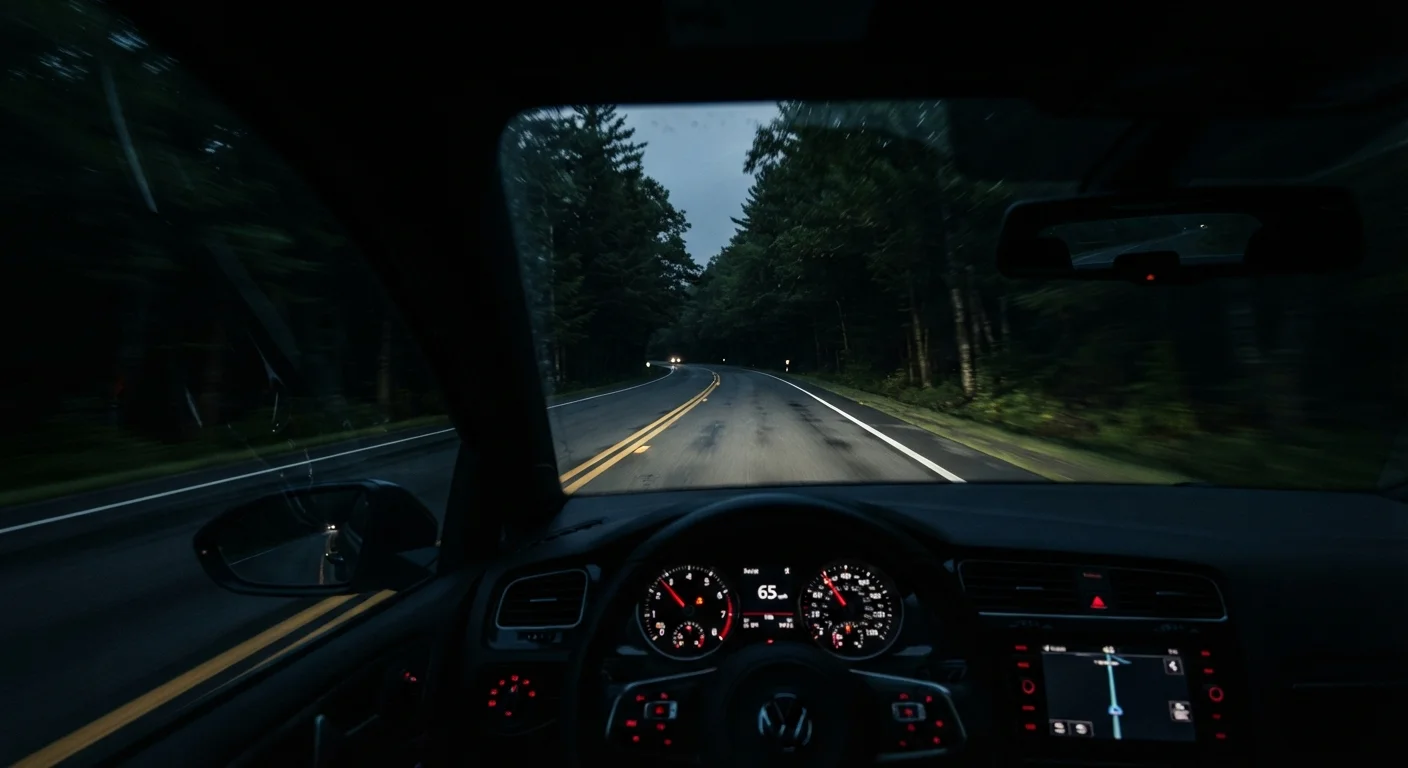
Photo credit: Infolagoon.com | Blogs To Rely On
In this article
Reduced visibility, glare, and fatigue make nighttime driving genuinely riskier. These are the overlooked adjustments that make a measurable difference.
Key Takeaways
- Fatal crash risk is significantly higher at night, even on familiar routes with low traffic.
- Most drivers skip adjustments to speed, following distance, and mirror settings after dark.
- Visual acuity, depth perception, and peripheral vision all degrade in low-light conditions.
- Fatigue and glare from oncoming headlights compound the visibility problem substantially.
- Simple, consistent habits - not equipment upgrades - account for most of the safety improvement.
Why Night Driving Is Genuinely More Dangerous
According to the National Safety Council, roughly half of all traffic fatalities occur at night, despite significantly less traffic on the road. That math should give any driver pause. The problem isn't just reduced light - it's how darkness affects the entire human visual system at once.
In low light, the eye shifts from cone-based vision (sharp, color-aware) to rod-based vision (motion-sensitive but poor in detail and depth). Peripheral vision narrows. Judging the speed of oncoming vehicles becomes harder. Depth perception - critical for braking decisions - becomes noticeably less reliable.
Add fatigue into that picture, and the risks multiply further. The hours between midnight and 6 a.m. are when drowsy driving peaks, and impaired alertness affects reaction time in ways that mirror alcohol intoxication. For a closer look at how stopping distance compounds these effects, see what actually determines your stopping distance.
~50%
Traffic fatalities occurring at night
The National Safety Council estimates roughly half of all traffic deaths happen after dark, despite far fewer vehicles on the road during those hours.
3x
Higher fatal crash rate per mile at night
Industry safety data broadly suggests nighttime driving carries approximately three times the fatal crash rate of daytime driving on comparable roads.
50%+
Light output lost through clouded headlight lenses
Automotive safety researchers have found that heavily oxidized plastic headlight covers can reduce effective beam output by more than half compared to clear lenses.
The Adjustments Most Drivers Don't Make
The most common mistake night drivers make is treating nighttime roads as identical to daytime roads - same speed, same following distance, same visual habits. They're not the same, and the gap between perception and reality is where most incidents happen.
Managing Glare: The Overlooked Hazard
Glare from oncoming headlights is one of the most underrated night-driving hazards. Modern LED and HID headlights are significantly brighter than older halogen bulbs, and when they hit your eyes directly, recovery time can range from several seconds to over a minute in older adults.
Look Slightly Right to Avoid Glare
When facing bright oncoming headlights, shift your gaze to the right edge of your lane rather than looking directly at the light source. This keeps the road in your peripheral view while protecting your central vision from the worst of the glare. It takes a little practice but becomes a natural reflex quickly.
Your rearview mirror almost certainly has an anti-glare setting - the small tab or button on the bottom edge of most mirrors. Flipping it to the dimmed position reduces light bouncing from vehicles behind you. Many drivers never use this feature. Additionally, glare sensitivity compounds when your windshield has interior film buildup, which is common and easy to miss. A thorough interior wipe with a glass cleaner makes a real difference at night.
Driving in rain or fog at night adds another layer of complexity. Wet and low-visibility conditions require different techniques that go beyond simply slowing down.
Fatigue Is Not a Willpower Problem
Many drivers believe they can push through tiredness if the need is strong enough. Research consistently shows this isn't how fatigue works. Microsleeps - brief, involuntary lapses in consciousness lasting one to four seconds - can occur without the driver realizing it. At highway speeds, four seconds of unconsciousness covers the length of a football field.
The body's circadian rhythm creates predictable dips in alertness, particularly between 2 a.m. and 5 a.m. and again in the early afternoon. Night-shift workers and anyone who has disrupted their sleep schedule should treat these windows as especially high-risk. For a deeper look at the cognitive side of prolonged driving, highway hypnosis and how to stay alert on long drives covers the underlying mechanisms well.
Vehicle Maintenance That Makes a Real Difference at Night
No amount of careful driving compensates for a vehicle that isn't maintained for low-light conditions. Headlight lenses cloud over time - oxidation creates a hazy film that can cut effective light output by 50% or more. Cleaning or restoring cloudy lenses is a straightforward maintenance task. Equally important: confirm your headlights are correctly aimed. Misaligned beams - pointing too high, too low, or askew - are surprisingly common and reduce both your own visibility and oncoming drivers' comfort.
Wiper blades that streak in daylight are worse at night, when the smearing directly disrupts your field of view through headlight reflection. Tire condition also matters more after dark because traction decisions happen faster when you can see less. Review the full checklist in our pre-trip safety checklist to make sure your vehicle is ready before any drive, including nighttime ones. If you drive through seasonal extremes, seasonal vehicle prep covers how to adapt your maintenance routine as conditions change.
This article is for general informational purposes only. Always use your own judgment based on actual road and traffic conditions, and consult a qualified mechanic for any vehicle maintenance or safety concerns.

Author
Autos & Transport Editorial Team
Autos & Transport Editorial Team is the collective byline for our editorial team and contributor network. Articles published under this byline or an editorial pen name are researched, written, and reviewed according to our editorial standards for clarity, consistency, and independence before publication.
View all articles →