
Navigation App Habits That Quietly Make Your Commute Worse
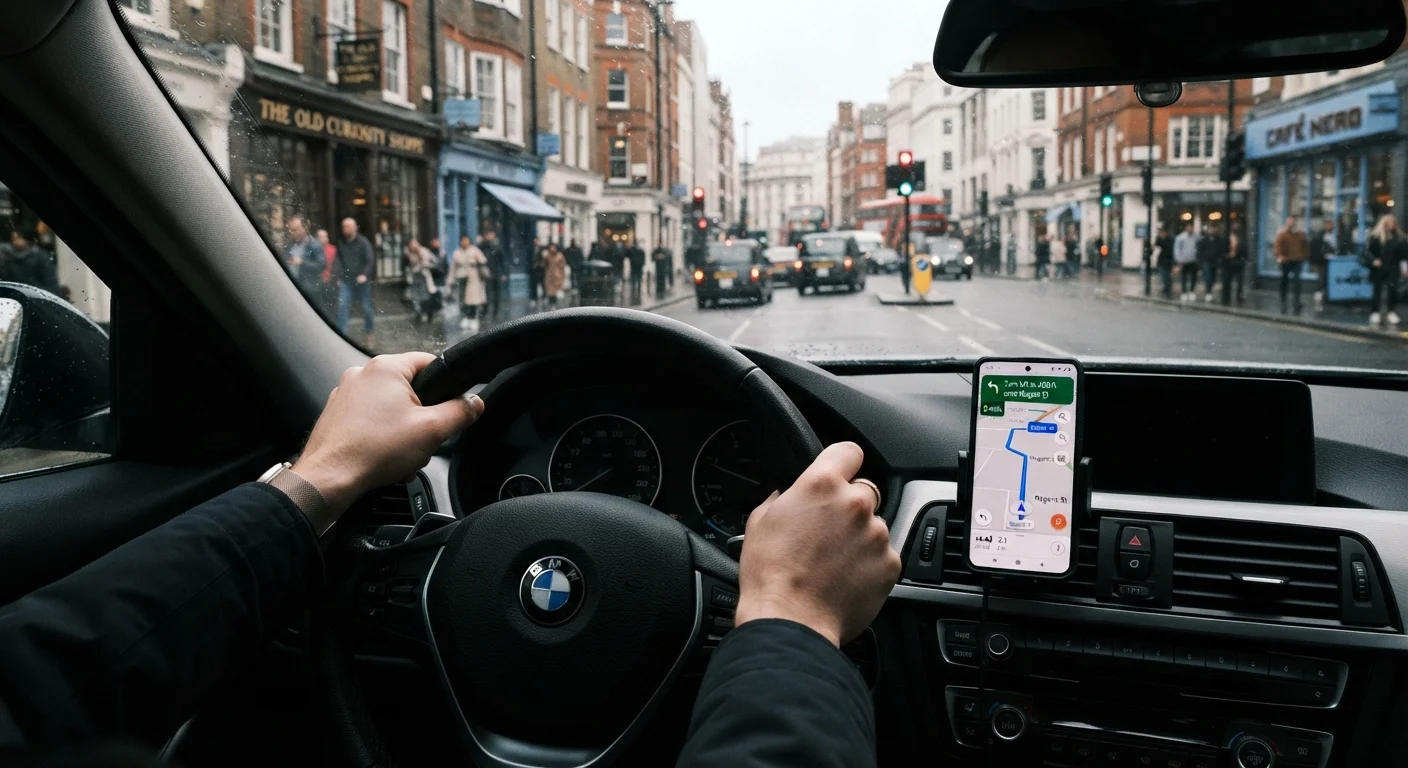
Photo credit: Infolagoon.com | Blogs To Rely On
GPS tools are useful — but over-reliance on them can increase stress and inefficiency. Here are the common ways drivers misuse navigation apps on daily routes.
Key Takeaways
- Blindly following reroutes on familiar routes often adds time rather than saving it.
- Constant app use can erode your spatial memory and increase cognitive dependence on your phone.
- Notification-heavy navigation settings contribute to distraction and elevated commute stress.
- Knowing when to override - or ignore - the app is a real skill worth developing.
When Helpful Becomes Habitual
Navigation apps have genuinely improved driving for millions of Americans - real-time traffic data, lane guidance, and live incident alerts are legitimately useful tools. But for daily commuters, the relationship with these apps can drift from helpful to counterproductive without anyone noticing.
The problem isn't the technology. It's a handful of habits that form around it. If you commute the same corridor five days a week, those habits quietly add friction, stress, and sometimes extra miles to your day. Building a smarter commute routine starts with recognizing where your current approach is working against you.
Accepting every reroute suggestion on a route you already know well.
Why it happens: Apps are designed to surface any detected time savings, however marginal, and most drivers default to trusting that suggestion without evaluating it.
Launching the app even on routes you have memorized.
Why it happens: It becomes automatic - drivers open the app out of habit before pulling out of the driveway, regardless of whether they need it.
Keeping audio alerts and notification volume at maximum during the entire commute.
Why it happens: Default app settings are designed for drivers who need every prompt; most people never adjust them for a familiar commute context.
Mounting the phone where it competes with the road for your attention.
Why it happens: Convenience drives placement - drivers put phones where they're easy to glance at, not where they're least distracting.
Using the app's ETA as a rigid deadline, increasing speed or urgency to match it.
Why it happens: ETAs feel like commitments. Drivers unconsciously adjust behavior to arrive at the time shown, even when there's no actual deadline pressure.
Never reviewing or learning from your commute data.
Why it happens: Most drivers treat navigation apps as purely in-the-moment tools and never look at historical route data or departure-time patterns.
The Real Cost of Defaulting to the App
Navigation dependency isn't just an inconvenience - it adds up. Drivers who accept every reroute suggestion on familiar commutes can accumulate wasted miles and time over the course of a week. That friction compounds into real costs: fuel, wear, and stress. If you've ever wondered what your commute is truly costing you, the hidden costs of commute time go well beyond gas and tolls.
~30%
Commuters who check nav apps before every trip
Survey data from mobility researchers consistently shows a large share of regular commuters open a navigation app even on routes they drive daily.
17 min
Average one-way commute time added by unnecessary reroutes
Transportation behavior studies have found that algorithm-suggested detours on familiar urban routes frequently fail to deliver the promised time savings, and can add time instead.
App-induced driving behavior - frequent braking in response to reroutes, unexpected lane changes, sudden acceleration - also affects fuel efficiency. Small driving adjustments like steadier throttle control and anticipating stops matter more than most drivers realize, and nav apps can undermine both.
Rerouting Mid-Highway Can Raise Risk
Accepting a reroute that requires crossing multiple lanes at short notice on a busy highway introduces real safety risk. If a suggested exit or lane change requires abrupt maneuvering, it's safer to continue on your current path and let the app recalculate. No time saving from an app suggestion is worth a last-second merge.
There's also a mental wellness dimension. Commuting is already one of the more stressful parts of the average workday. A navigation app that pings, reroutes, and demands attention repeatedly is adding cognitive load, not removing it. Research in attention and habit suggests that app-driven interruptions can contribute to the kind of low-level daily stress that quietly erodes well-being - something explored in more depth in this look at habits that undermine mental wellness.

Author
Autos & Transport Editorial Team
Autos & Transport Editorial Team is the collective byline for our editorial team and contributor network. Articles published under this byline or an editorial pen name are researched, written, and reviewed according to our editorial standards for clarity, consistency, and independence before publication.
View all articles →