
Phone Battery Myths That Are Worth Letting Go Of
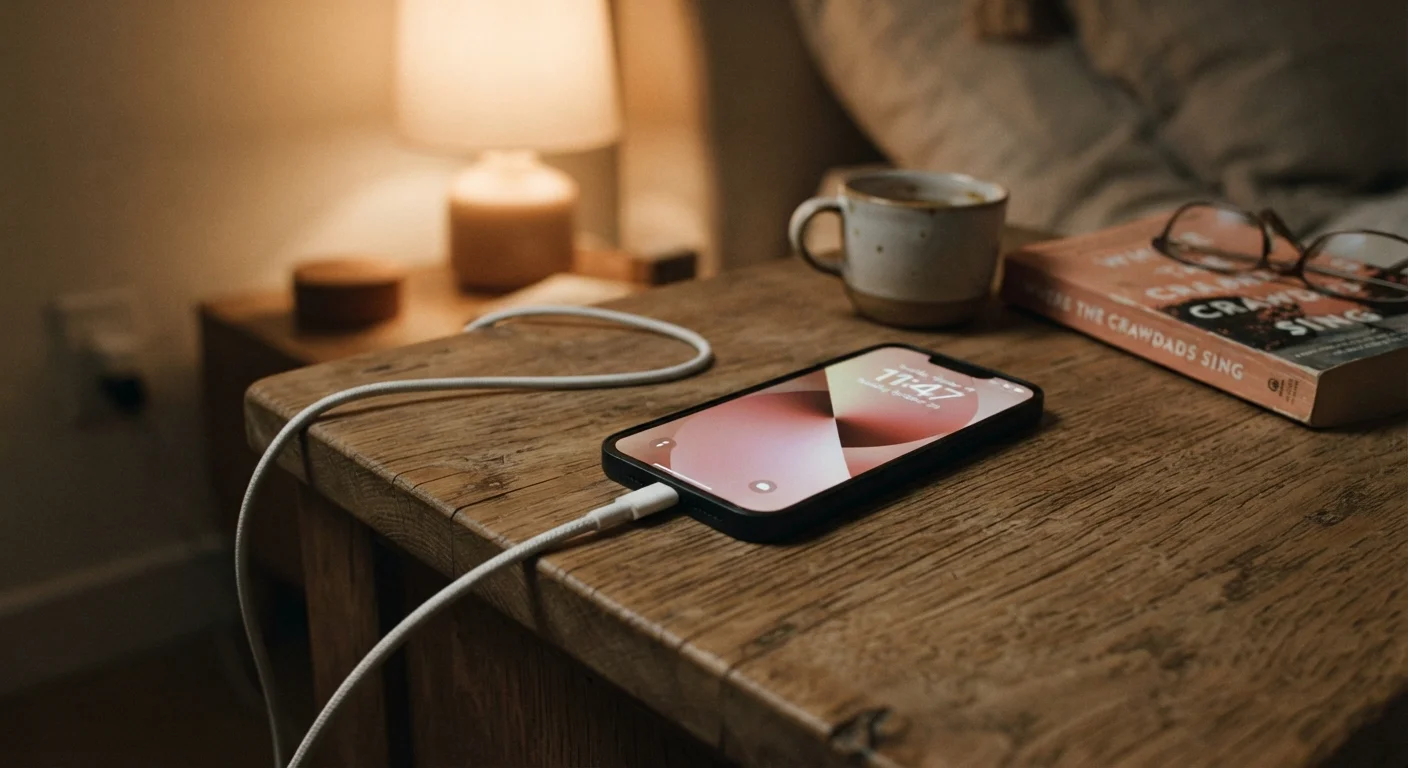
Photo credit: Infolagoon.com | Blogs To Rely On
Should you drain your battery to zero before charging? Is overnight charging dangerous? We sort common battery beliefs from the facts.
Key Takeaways
- Modern lithium-ion batteries do not need to be drained to zero before recharging.
- Overnight charging is generally safe thanks to built-in overcharge protection on most phones.
- Keeping your battery between roughly 20% and 80% can help extend its long-term lifespan.
- Heat — not charging habits alone — is one of the biggest threats to battery health.
- Third-party chargers are not automatically dangerous, but certified ones are always safer.
Why These Myths Stuck Around
Battery advice that made sense a decade ago keeps circulating online, passed from friend to friend like folk wisdom. The problem is that phone batteries have changed dramatically. The nickel-cadmium and nickel-metal hydride cells of older devices had genuine quirks — including something called "memory effect" — that required specific charging rituals. Today's smartphones use lithium-ion (Li-ion) chemistry, which works quite differently. Advice calibrated for old battery types simply doesn't apply anymore, yet it persists because it sounds technical and plausible.
Understanding a few basics about how Li-ion batteries actually behave can save you frustration and help your phone last longer. For practical, habit-based guidance, see our tips on keeping a smartphone running well for longer.
Myth
You should fully drain your phone to 0% before recharging it to keep the battery healthy.
Fact
Fully draining a Li-ion battery regularly can actually stress it and accelerate capacity loss.
This advice originated with older battery technologies that suffered from memory effect — a real phenomenon where cells "forgot" their full capacity if not fully discharged. Lithium-ion batteries do not experience memory effect. Deep discharges to 0% put the cell under chemical stress. Most battery engineers suggest staying above 20% when possible, and topping up frequently rather than waiting for a full drain.
Myth
Leaving your phone plugged in overnight will overcharge the battery and damage it.
Fact
Virtually all modern smartphones have built-in charge controllers that stop drawing current once the battery reaches 100%.
The circuitry inside your phone monitors battery state and cuts off the charge automatically when full. Some manufacturers even include features that delay the final charge to 100% until just before your typical wake time, reducing the time spent at maximum charge. That said, keeping a phone at 100% for prolonged periods does create minor additional heat and stress — so charging before bed rather than all night is a reasonable habit, even if overnight charging isn't the emergency some believe it to be.
Myth
Using your phone while it charges damages the battery faster.
Fact
Normal use during charging — browsing, messaging, streaming — does not meaningfully harm the battery.
The concern here usually conflates two separate things: heat and charging. If heavy use generates significant heat while the phone is charging, that heat can contribute to gradual degradation. But casual use during charging is not inherently damaging. The actual risk factor is sustained high temperature, not the act of using the phone itself. If your phone becomes noticeably hot during charging, setting it down in a cooler spot and limiting intensive tasks makes sense.
Myth
Third-party chargers will always ruin your battery or damage your phone.
Fact
Chargers that meet recognized safety certifications (such as UL or USB-IF) are generally safe to use.
Not all third-party chargers are equal. Cheap, uncertified chargers can deliver inconsistent voltage, which may damage charging circuitry over time or in rare cases create safety hazards. However, reputable third-party chargers that carry standard safety certifications are engineered to work safely with Li-ion devices. The meaningful distinction is certification and build quality, not simply whether the charger came in the original box.
Myth
Closing background apps constantly will significantly extend battery life.
Fact
Frequently force-closing and reopening apps can actually consume more battery than leaving them in the background.
When an app sits in the background on a modern smartphone, it is typically suspended and consuming very little power. Force-closing it removes it from memory — meaning the phone must reload it entirely the next time you open it, which requires a burst of processing power. Mobile operating systems are designed to manage background processes efficiently. Habitual app-closing is largely unnecessary effort that may do more harm than good to your battery across a day's use.
What Actually Matters for Battery Health
Once you clear away the myths, the real threats to battery longevity come into focus. Heat is consistently identified by battery researchers as the primary accelerant of Li-ion degradation — leaving your phone on a hot car dashboard or using it while it charges under a pillow significantly shortens cell life over time. Charge cycles matter too, but modern phones are engineered to handle hundreds before capacity meaningfully drops.
300–500
Typical full charge cycles before capacity drops
Battery manufacturers generally rate lithium-ion cells to retain around 80% of original capacity after this range of full charge-discharge cycles under normal conditions.
~20°C
Optimal storage temperature for Li-ion batteries
Battery research consistently identifies room temperature storage as significantly better for long-term Li-ion health than hot environments such as a car interior in summer.
Partial charges are not harmful — in fact, smaller, more frequent top-ups tend to be gentler on Li-ion cells than full discharge cycles. The biggest actionable step most people can take is simply avoiding sustained exposure to high temperatures and not leaving the phone at 100% charge for extended periods unnecessarily. These are mundane habits, but they're grounded in how the chemistry actually works rather than in myth.
Extreme Heat Is a Genuine Risk
Unlike many battery myths, heat damage is real and cumulative. Leaving your phone in a hot car, on a sun-exposed surface, or covered while charging can accelerate battery aging noticeably. If your phone regularly feels very hot during charging or heavy use, removing any case during charging and keeping it in a ventilated spot can help reduce thermal stress.
Battery care shares something with other areas of consumer life where persistent myths outpace the actual evidence — much like the nutrition and sleep misconceptions explored in common nutrition myths and sleep hygiene myths. In each case, the corrective is the same: follow what current evidence supports, not what sounds intuitively right.

Author
Tech & Gadgets Editorial Team
Tech & Gadgets Editorial Team is the collective byline for our editorial team and contributor network. Articles published under this byline or an editorial pen name are researched, written, and reviewed according to our editorial standards for clarity, consistency, and independence before publication.
View all articles →