
The Car-Buying Glossary: Terms Every Shopper Should Know
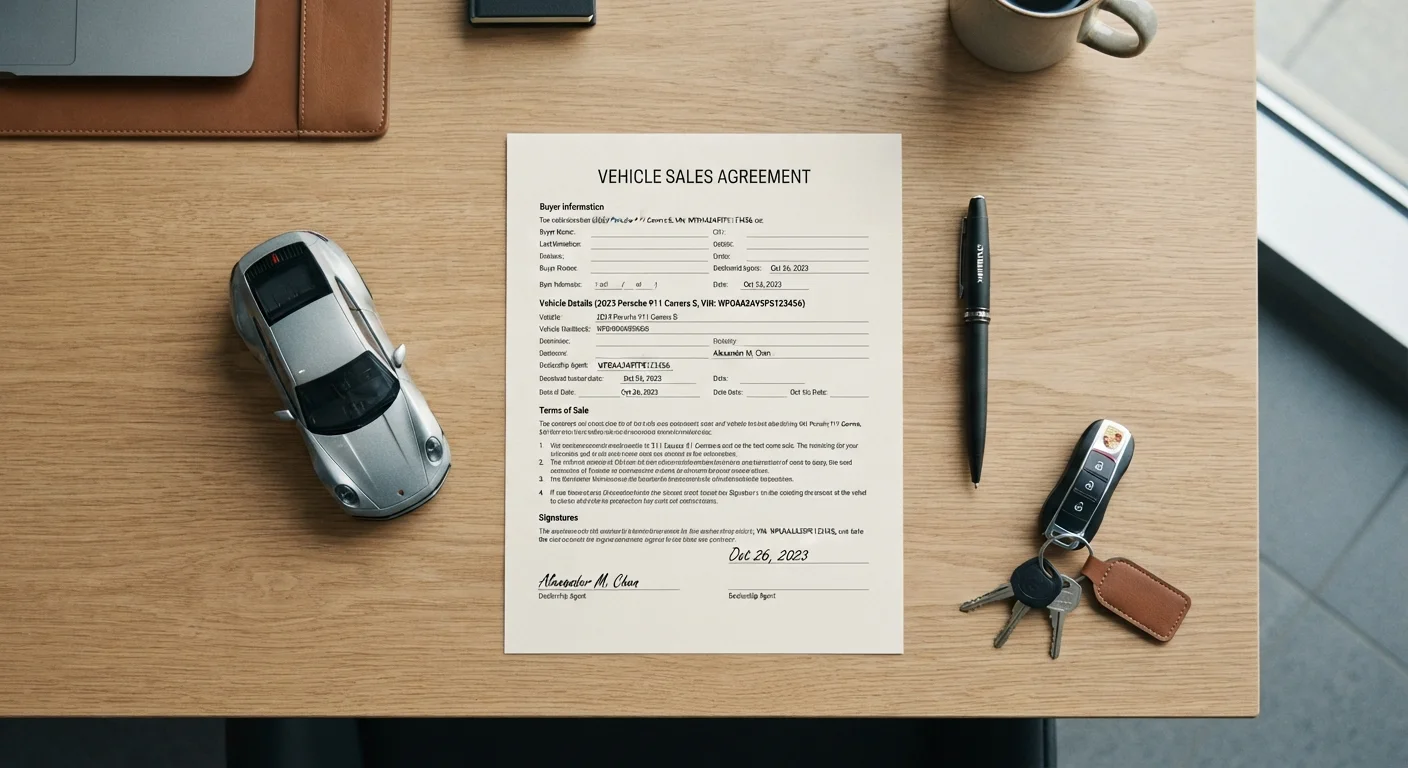
Photo credit: Infolagoon.com | Blogs To Rely On
In this article
MSRP, invoice price, APR, GAP insurance—decoded. A plain-language reference for every term you'll encounter at the dealership.
Why Dealership Jargon Matters
Walking into a dealership without knowing the language is like negotiating a contract in a foreign tongue. Sales staff use specific terms every day; buyers often encounter them for the first time under pressure. This glossary levels the playing field so you can ask the right questions and understand the answers you get.
Whether you're financing your first vehicle or trading in an older one, the terms below cover the full arc of a typical car purchase - from sticker price to final signature. For a detailed walkthrough of each stage of the buying process itself, see our dealership process guide.
MSRP
Manufacturer's Suggested Retail Price - the price the automaker recommends for the vehicle. It serves as a starting point for negotiation, not a fixed requirement.
Invoice Price
The price the dealer paid the manufacturer for the vehicle. Actual dealer cost may differ due to holdbacks and manufacturer incentives.
APR
Annual Percentage Rate - the yearly cost of a loan expressed as a percentage, including interest and certain fees. A key figure for comparing financing offers.
GAP Insurance
Guaranteed Asset Protection insurance that covers the gap between what you owe on a car loan and the vehicle's actual cash value if it's totaled or stolen.
Trade-In Value
The dollar amount a dealer offers for your current vehicle, applied as a credit toward your new purchase.
Dealer Holdback
A percentage of a vehicle's price that the manufacturer pays back to the dealer after the sale. It means the dealer's true cost is often lower than the invoice price.
Out-the-Door Price
The total amount you'll pay to drive the car home, including all taxes, title fees, registration, and any dealer charges. This is the figure that matters most when comparing deals.
Vehicle Service Contract
An agreement that covers the cost of certain repairs after the manufacturer's warranty expires. Often called an extended warranty, though that term is technically distinct.
Capitalized Cost
In a lease, the negotiated price of the vehicle - the equivalent of the purchase price in a finance deal. Lowering it reduces monthly lease payments.
Residual Value
The projected value of a leased vehicle at the end of the lease term. A higher residual value generally means lower monthly payments.
Money Factor
The financing rate on a lease, similar to APR on a loan. Multiply it by 2,400 to get an approximate equivalent interest rate for comparison purposes.
Market Adjustment
A markup added above MSRP by a dealer, typically reflecting high demand or limited supply for a specific model.
Pricing and Negotiation Terms
Understanding how prices are structured is the single most important preparation you can do before visiting a lot.
| MSRP stands for | Manufacturer's Suggested Retail Price |
| Invoice price | What the dealer paid the manufacturer (before holdbacks/incentives) |
| Out-the-door price includes | Vehicle price + taxes + title + registration + dealer fees |
| Common loan terms | 36, 48, 60, or 72 months |
| GAP insurance covers | Difference between loan balance and actual cash value after total loss |
| Money factor conversion | Multiply by 2,400 to approximate APR equivalent |
MSRP (Manufacturer's Suggested Retail Price) is the price the automaker recommends the vehicle sell for - it is not fixed. Dealers can charge more or less depending on demand and inventory. The invoice price is what the dealer theoretically paid the manufacturer for the vehicle; it is often used as a negotiating reference point, though dealer incentives and holdbacks mean actual dealer cost is rarely exactly equal to invoice. Market adjustment refers to a markup a dealership adds above MSRP, typically when a model is in high demand and low supply. Always ask for an itemized breakdown of any charges above the base price.
Shopping for a used vehicle introduces additional complexity. Our article on used car shopping surprises covers fees and title issues worth knowing before you commit.
Financing Terms Explained
Most car purchases involve financing, and this is where unfamiliar language can quietly cost you thousands of dollars.
APR (Annual Percentage Rate) represents the yearly cost of borrowing, expressed as a percentage. It includes the interest rate and can include certain fees, making it a more complete cost comparison than the interest rate alone. A lower APR means less paid over the loan's life. Loan term is the repayment period - commonly 36, 48, 60, or 72 months. Longer terms lower monthly payments but typically increase total interest paid.
Down payment is the amount you pay upfront; a larger down payment reduces the amount financed. Trade-in value is the amount a dealer offers for your current vehicle, which can be applied toward the purchase price. These two figures directly affect your amount financed - the actual dollar figure on which interest accrues.
Managing your credit score before applying for an auto loan can affect the APR you're offered. For broader context, the Debt & Credit hub covers how credit works and how to manage it effectively.
72 months
Most common new-vehicle loan term in the U.S.
According to Experian's State of the Automotive Finance Market report, the average new-vehicle loan term has extended significantly over the past decade.
~20%
Typical first-year vehicle depreciation
Many new vehicles lose roughly 15-20% of their value in the first year of ownership, based on widely cited automotive industry estimates.
Add-Ons, Insurance, and F&I Office Terms
The Finance and Insurance (F&I) office is where many buyers feel most overwhelmed. Knowing these terms in advance helps you evaluate each offer clearly.
GAP insurance (Guaranteed Asset Protection) covers the difference between what you owe on a loan and what your car is actually worth if it's totaled or stolen. Because vehicles depreciate quickly - often faster than loan balances decrease - GAP coverage can prevent a significant out-of-pocket loss. For a deeper look at how vehicles lose value over time, see how depreciation works.
An extended warranty (more accurately called a vehicle service contract) is a paid agreement covering repairs beyond the manufacturer's warranty period. Coverage, exclusions, and deductibles vary significantly by provider and plan - read the contract carefully before agreeing. Dealer add-ons are optional products or services bundled into the sale, such as paint protection or tire and wheel plans. Each is negotiable or can be declined. If you want a primer on insurance terminology more broadly, our insurance glossary translates common policy language into plain terms.
This article is for general informational and educational purposes only. It does not constitute financial, legal, or insurance advice. Terms, conditions, and regulations vary by state and provider. Consult a licensed professional before making financial or insurance decisions.

Author
Autos & Transport Editorial Team
Autos & Transport Editorial Team is the collective byline for our editorial team and contributor network. Articles published under this byline or an editorial pen name are researched, written, and reviewed according to our editorial standards for clarity, consistency, and independence before publication.
View all articles →