
Used Car Shopping: Things That Catch Buyers Off Guard
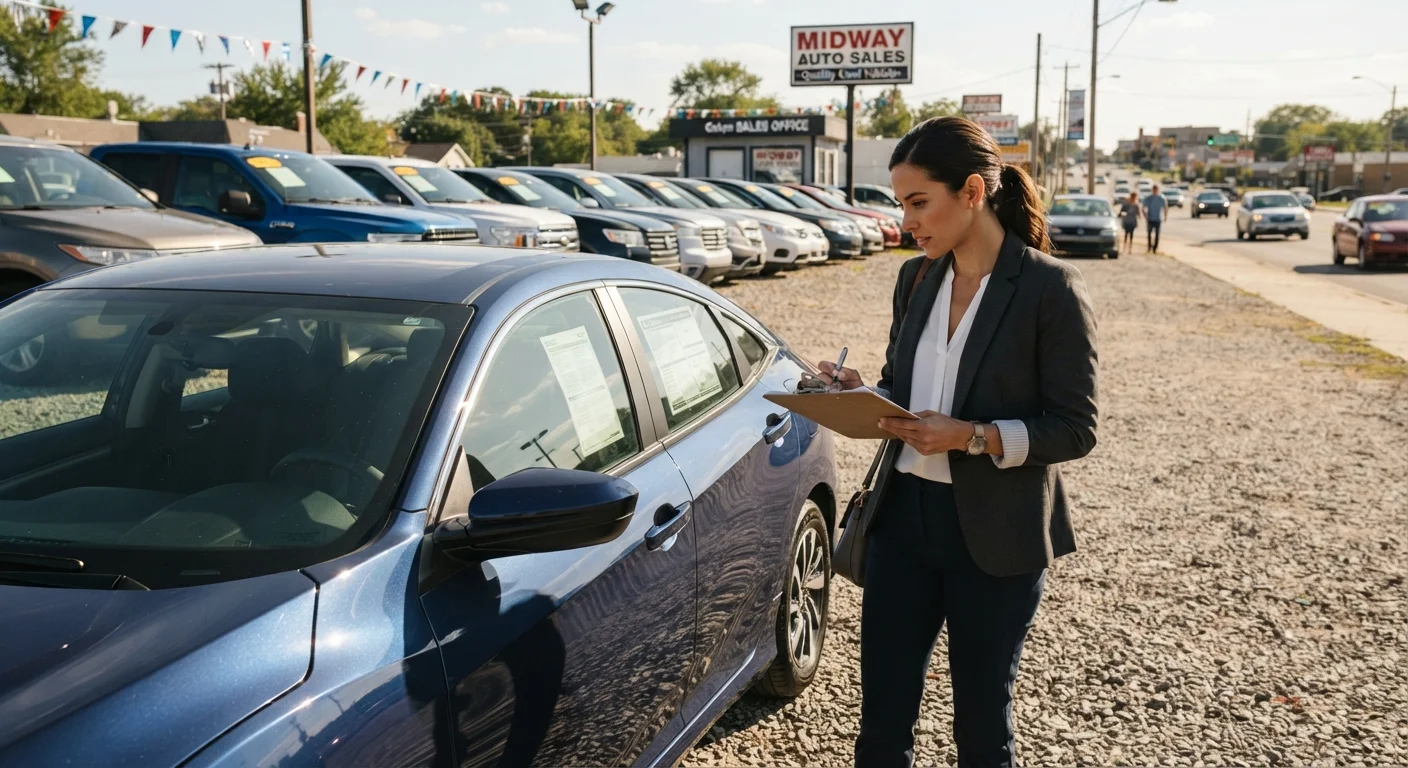
Photo credit: Infolagoon.com | Blogs To Rely On
In this article
From hidden fees to title issues, these are the situations used car buyers frequently don't see coming—and how to prepare.
Key Takeaways
- Hidden fees added at signing can raise the final price well above the advertised figure.
- Title problems - including liens and salvage brands - can surface after money has changed hands.
- Skipping a pre-purchase inspection is one of the costliest shortcuts used car buyers make.
- Vehicle history reports are useful but don't capture every accident or mechanical issue.
- Financing arranged at the dealership often carries higher rates than pre-approved alternatives.
Why Used Car Surprises Are So Common
Used car shopping draws buyers in with the promise of value - lower price, less depreciation, more vehicle for the budget. That appeal is real. But the used market also concentrates a specific kind of risk: information gaps between what a seller knows and what a buyer can see.
Unlike a new car purchase where the specs and history are straightforward, every used vehicle carries a backstory. How it was driven, whether it was repaired properly after damage, who holds the title, and what fees will appear at closing - all of these can catch buyers off guard when they haven't prepared to look for them.
The mistakes below aren't about naivety. They happen to experienced buyers too, often because the pressure of the transaction makes it easy to skip steps that matter. Running a pre-signing checklist is one of the simplest ways to protect yourself.
The Most Common Missteps - and How to Sidestep Them
The situations below represent the categories where used car buyers most frequently report being caught off guard - not because the problems were hidden with bad intent, but because buyers didn't know to ask the right questions before committing.
Focusing only on the monthly payment instead of the total purchase price.
Why it happens: Sellers and dealers often frame negotiations around monthly figures because smaller numbers feel more manageable, making it easy to lose track of what the car actually costs.
Accepting the advertised price as the final price without reviewing all fees.
Why it happens: Buyers assume the number on the listing or window sticker is what they'll pay. Documentation fees, dealer prep charges, and add-on products can quietly inflate the final bill.
Relying solely on a vehicle history report to assess the car's condition.
Why it happens: Reports from services that compile accident and title data are a reasonable starting point, but buyers often treat them as a clean bill of health. Unreported accidents, cash repairs, and mechanical wear don't appear in those databases.
Skipping verification of the title and ownership before paying.
Why it happens: Most buyers trust that a seller listing a car legally owns it free and clear. That isn't always the case - outstanding loans, dealer floor plan liens, or probate situations can complicate a transfer.
Arranging financing on the spot without comparing rates in advance.
Why it happens: The convenience of one-stop financing feels appealing, especially when a buyer is already emotionally invested in a vehicle. Dealers sometimes mark up the interest rate above what lenders actually quote them.
Buying from a private seller without understanding the reduced protections involved.
Why it happens: Private listings often appear to offer better prices, and buyers sometimes assume the transaction works similarly to buying from a dealer. The legal protections, return options, and recourse if problems emerge are considerably different.
Title Issues Can Follow You Home
A vehicle with an unresolved lien, a salvage title, or a title not in the seller's name can create serious legal and financial complications after purchase. Always verify the title status before handing over any money. If you're unsure what you're looking at, consult a licensed title service or attorney.
Don't Skip the Pre-Purchase Inspection
A used car can look clean and drive fine on a short test route while concealing frame damage, worn brakes, or a failing transmission. An independent mechanic's inspection typically costs less than $200 and can reveal problems that would cost thousands to fix. See what a pre-purchase inspection actually covers before you schedule one.
If this is your first vehicle purchase, a beginner's guide to vehicle ownership covers the full process from budgeting through insurance. And if you're weighing used against certified pre-owned, understanding the real differences between those options can help you decide which category fits your situation.
~40%
Used car buyers who report unexpected costs after purchase
Industry surveys consistently show a significant share of used car buyers encounter unbudgeted expenses within the first year of ownership.
1 in 5
Used vehicles with potentially undisclosed history issues
Vehicle history reporting services have noted a meaningful portion of used cars carry incidents not visible in a basic listing or casual inspection.
Preparation doesn't guarantee a perfect outcome, but it significantly narrows the gap between what you expect to pay and what you actually pay - and between the car you think you're buying and the one you actually drive home.

Author
Autos & Transport Editorial Team
Autos & Transport Editorial Team is the collective byline for our editorial team and contributor network. Articles published under this byline or an editorial pen name are researched, written, and reviewed according to our editorial standards for clarity, consistency, and independence before publication.
View all articles →