
Sleep Hygiene Myths That Are Keeping You Awake
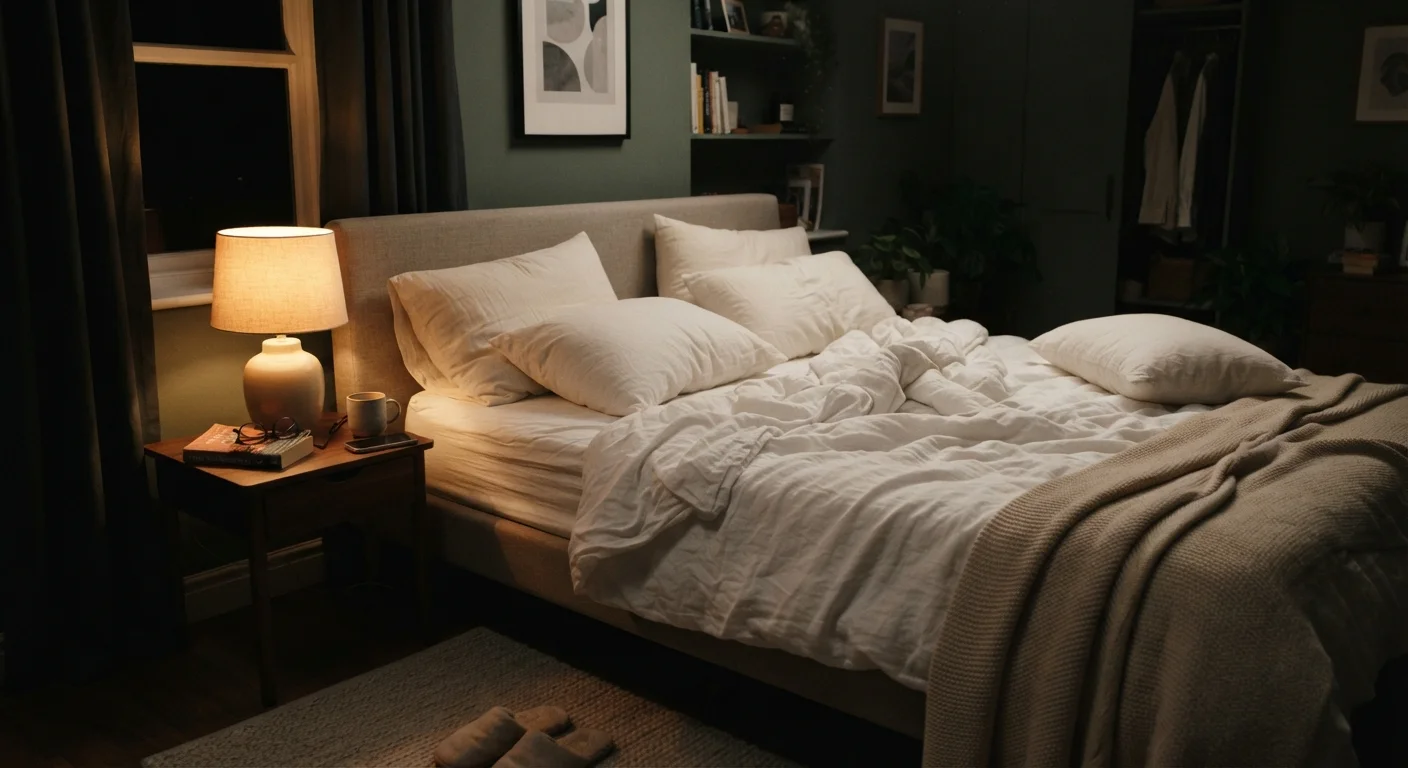
Photo credit: Infolagoon.com | Blogs To Rely On
In this article
Warm milk? Eight hours exactly? Some popular sleep advice isn't backed by science. Here's what the evidence actually says about better rest.
Key Takeaways
- Everyone needs exactly eight hours of sleep is a myth - optimal sleep duration varies by individual.
- Alcohol may help you fall asleep faster, but it significantly disrupts sleep quality overall.
- Screen light affects sleep, but timing and winding-down habits matter more than avoiding all devices.
- Making up for lost weekday sleep on weekends offers limited recovery and can shift your body clock.
- Warm milk has no strong scientific evidence behind it as a reliable sleep aid.
Why Sleep Myths Persist
Sleep is universal, deeply personal, and still not fully understood by science - which makes it fertile ground for myths. Well-meaning advice gets passed down through generations, amplified by wellness culture, and repeated so often it starts to sound like fact. The problem is that acting on bad sleep information can keep you in a frustrating cycle of poor rest while believing you're doing everything right.
This article cuts through the noise. Whether you're struggling with insomnia or just trying to feel more refreshed, understanding what the evidence actually says is the first step. As with any persistent health concern, a qualified healthcare professional is the right person to consult about your individual sleep patterns.
Myth
Everyone needs exactly eight hours of sleep to be healthy.
Fact
Sleep needs vary by individual - most adults function best somewhere between seven and nine hours, but the right amount for you depends on genetics, age, and lifestyle.
The "eight hours" figure is a population average, not a universal prescription. Research consistently shows that healthy sleep duration ranges from about seven to nine hours for most adults, with meaningful variation at both ends. Some people genuinely thrive on seven hours; others feel impaired below nine. Tracking how you feel - your alertness, mood, and concentration - is a more reliable guide than hitting an exact number. Persistently needing significantly more or less than the typical range is worth discussing with a doctor.
Myth
A glass of wine or beer before bed helps you sleep better.
Fact
Alcohol can speed up the time it takes to fall asleep, but it suppresses REM sleep and causes more fragmented sleep in the second half of the night.
Alcohol has a sedative effect that can make it easier to drift off initially. However, as your body metabolizes it, sleep architecture is disrupted - particularly REM (rapid eye movement) sleep, which plays an important role in memory consolidation and emotional regulation. Studies consistently show that people who drink before bed report more nighttime awakenings and feel less rested in the morning, even if they don't recall waking. Regular use as a sleep aid can also build tolerance, making the problem worse over time.
Myth
Looking at your phone before bed is the main reason you can't fall asleep.
Fact
Blue light from screens has a real but modest effect on melatonin; the more significant issue is mental stimulation and inconsistent wind-down habits.
Blue light does suppress melatonin production, the hormone that signals nighttime to your brain. But the magnitude of this effect from a typical smartphone screen is smaller than often reported. Research suggests that the cognitive stimulation of scrolling - reacting to news, social media, or work emails - keeps the brain in an alert state far more disruptively than the light itself. Cutting off mentally activating content 30-60 minutes before bed tends to have a bigger impact than simply switching to night mode. If you do use screens, low-stimulation content is less disruptive than high-engagement material.
Myth
You can fully catch up on lost sleep by sleeping in on weekends.
Fact
"Sleep debt" is only partially recoverable, and irregular sleep schedules can disrupt your circadian rhythm, making weekday fatigue worse over time.
While some recovery does occur after acute sleep loss, chronic sleep debt doesn't erase cleanly with a weekend lie-in. More importantly, shifting your sleep and wake times significantly on weekends - a phenomenon sometimes called "social jet lag" - can misalign your body clock, making Monday mornings feel particularly rough. Studies have linked chronic social jet lag to increased fatigue, mood disturbances, and metabolic effects. The most evidence-backed approach is keeping a consistent wake time every day, even on weekends, to anchor your circadian rhythm.
Myth
Warm milk is a proven remedy for sleeplessness.
Fact
There is no strong clinical evidence that warm milk meaningfully improves sleep; any benefit is likely tied to the relaxing ritual rather than the milk itself.
Milk contains tryptophan, an amino acid involved in serotonin and melatonin production, which is the scientific basis for this belief. However, the amount of tryptophan in a glass of milk is not sufficient to measurably affect sleep in controlled studies. What may help is the habit itself - a warm, calming drink as part of a consistent wind-down routine signals to your brain that sleep is approaching. The ritual matters; the milk is largely incidental. Non-caffeinated herbal teas or simply warm water may work just as well for the same reason.
What Actually Supports Better Sleep
The most consistent evidence points to a few straightforward habits: keeping a regular wake time seven days a week, limiting caffeine in the afternoon, and creating a wind-down routine that signals to your brain that sleep is coming. These aren't glamorous, but they're durable.
1 in 3
U.S. adults regularly not getting enough sleep
According to CDC public health data, about one-third of American adults report regularly sleeping fewer than the recommended seven hours per night.
~25%
Reduction in REM sleep linked to alcohol use
A meta-analysis published in Alcoholism: Clinical and Experimental Research found that alcohol consumption before sleep reduces REM sleep, particularly in the first half of the night.
Your sleep environment also matters more than many people realize. A cooler room temperature - generally in the mid-60s Fahrenheit range - is associated with better sleep quality in research settings, because the body's core temperature naturally drops as part of the sleep process. Reducing noise and light exposure in your bedroom can also make a meaningful difference.
If you're working on building a restful evening routine, it's worth knowing that skincare habits can fit naturally into that wind-down window. See how a simple nighttime skincare routine can reinforce a consistent pre-sleep ritual. And just as fitness myths can derail good intentions, sleep myths can quietly undermine rest even when you think you're doing everything right.
This article is for general informational purposes only and is not a substitute for professional medical advice. If you have persistent sleep difficulties, consult a licensed healthcare provider.

Author
Health & Wellness Editorial Team
Health & Wellness Editorial Team is the collective byline for our editorial team and contributor network. Articles published under this byline or an editorial pen name are researched, written, and reviewed according to our editorial standards for clarity, consistency, and independence before publication.
View all articles →