
Why Your Pet's Drinking Habits Are Worth Paying Attention To
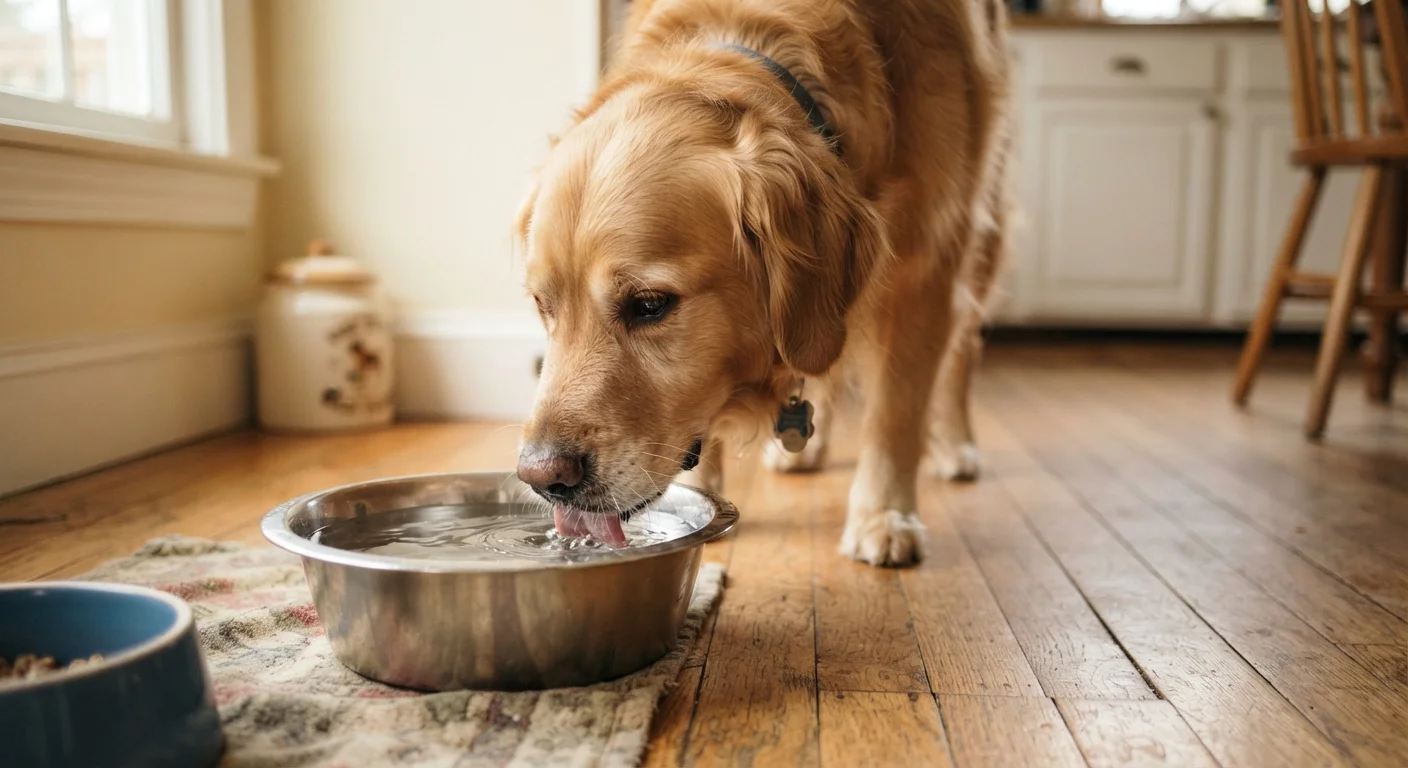
Photo credit: Infolagoon.com | Blogs To Rely On
In this article
Changes in how much your pet drinks can signal health shifts. Learn what normal hydration looks like and when to consult a vet.
Key Takeaways
- Most dogs need roughly 1 ounce of water per pound of body weight per day; cats generally need less.
- Diet affects intake: pets eating wet food drink noticeably less than those on dry kibble.
- Drinking significantly more or less water than usual can signal health problems.
- Senior pets are especially prone to hydration-related conditions like kidney disease and diabetes.
- A consistent water routine and clean bowl are simple, effective baseline habits.
What Normal Hydration Looks Like
Establishing what's normal for your pet is the foundation of effective hydration monitoring. General guidelines offer a starting point: dogs typically need around 1 ounce of water per pound of body weight per day, while cats — obligate carnivores that historically obtained most of their moisture from prey — have lower water-seeking drives and often drink less from a bowl.
These numbers shift with real-world variables. A dog that spends afternoons in the yard during summer will drink more than one resting indoors. Pets on dry kibble consume significantly more water than those eating wet or raw food. Pregnant, nursing, and senior animals also have distinct hydration needs.
The practical takeaway: observe your pet's routine for a week or two when everything is healthy. That personal baseline is far more useful than any average figure when you're trying to detect a change later.
~1 oz/lb
Daily water guideline for dogs
Veterinary general guidance suggests dogs need roughly 1 ounce of water per pound of body weight daily, adjusted for diet and activity.
70–80%
Moisture content in wet pet food
Wet food contributes significantly to a pet's fluid intake, which is why animals on wet diets typically drink less from their water bowl.
3rd leading cause
Kidney disease rank in senior cats
Chronic kidney disease is among the most common conditions in older cats, and increased water consumption is frequently one of its earliest observable signs.
What Changes in Drinking Can Signal
Water intake is one of the body's most responsive gauges. When something shifts internally, pets often drink more or less before other symptoms appear — making it a genuinely useful early indicator for owners paying attention.
Drinking more than usual (polydipsia) is associated with conditions including kidney disease, diabetes mellitus, Cushing's disease, liver disease, and certain infections. In cats especially, increased thirst combined with weight loss is a well-documented early pattern in kidney disease and hyperthyroidism.
Drinking less than usual can be a sign of nausea, dental pain, a respiratory issue affecting the ability to smell or taste water, or depression following a change in environment. Dental health problems are a surprisingly common and often overlooked reason pets approach their water bowl with hesitation.
Neither pattern diagnoses anything on its own — but either one, especially combined with other behavioral shifts, deserves a call to your veterinarian. See also signs your pet may be in pain that can accompany hydration changes.
Track Changes, Not Just Numbers
Rather than stressing over exact ounces, focus on whether your pet's drinking pattern has changed relative to their personal norm. A sudden increase or decrease sustained over 24–48 hours — especially alongside changes in energy, appetite, or urination — is the signal worth acting on. Keep a simple note on your phone for a few days if you're unsure.
Practical Steps for Monitoring and Maintaining Hydration
You don't need specialized tools to track your pet's water intake. Filling the bowl to the same line each morning and noting how much remains at day's end gives you usable data within days. If you have multiple pets, separating water stations temporarily helps confirm which animal is drinking what.
Water quality and presentation matter more than many owners realize. Cats in particular are sensitive to bowl placement — many dislike drinking near their food or litter box — and some strongly prefer running water sources. Keeping bowls clean prevents bacterial buildup that can discourage drinking. Stainless steel and ceramic bowls are generally easier to keep sanitary than plastic.
For pets prone to dehydration, adding a small amount of low-sodium broth to water or introducing wet food can increase total fluid intake. These are general strategies; consult your vet before making significant dietary changes, particularly for animals with existing health conditions.
As pets age, hydration becomes increasingly critical. Life stage shifts affect kidney function and metabolic efficiency, making water intake a more sensitive health marker in older animals. If you notice rapid or unexplained changes, don't delay — some symptoms alongside hydration changes require urgent veterinary attention.
This article is for general informational purposes only and is not a substitute for professional veterinary advice. Always consult a licensed veterinarian regarding your pet's specific health needs.
Frequently Asked Questions

Author
Pets & Animals Editorial Team
Pets & Animals Editorial Team is the collective byline for our editorial team and contributor network. Articles published under this byline or an editorial pen name are researched, written, and reviewed according to our editorial standards for clarity, consistency, and independence before publication.
View all articles →