
The First Vet Visit: What to Bring, What to Expect, and What to Ask
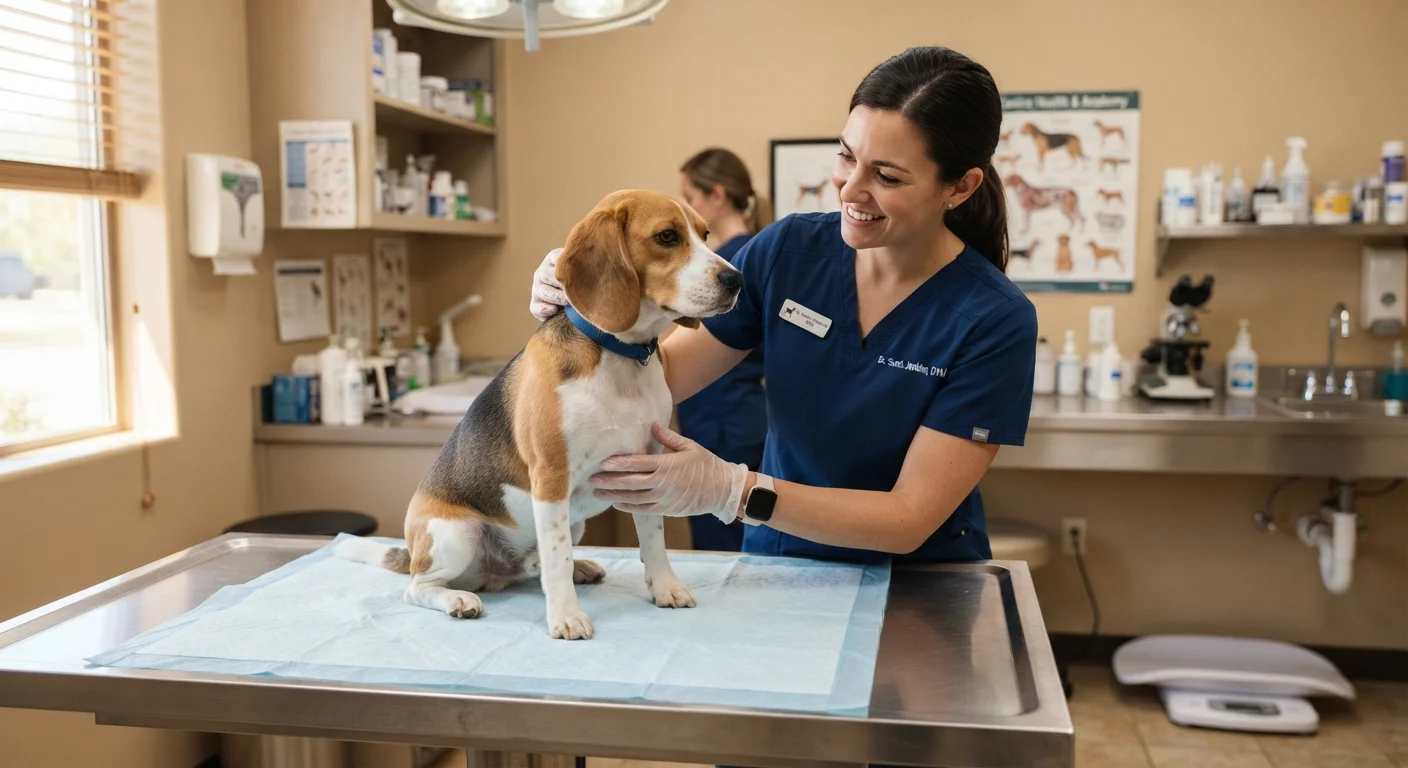
Photo credit: Infolagoon.com | Blogs To Rely On
In this article
A first vet appointment sets the foundation for your pet's long-term health. Know exactly how to prepare and what questions matter.
Key Takeaways
- Bring all existing health records, vaccination history, and any breeder or shelter documentation to the first appointment.
- A fecal sample collected within 24 hours is one of the most useful things you can bring to a first vet visit.
- Prepare a list of questions in advance — the appointment moves quickly and it's easy to forget important concerns.
- The first exam establishes a baseline for your pet's health, making future comparisons more meaningful.
- Discuss parasite prevention, spay or neuter timing, and diet before leaving the clinic.
Why the First Vet Visit Is More Than a Routine Check
The first veterinary appointment does more than confirm your new pet is healthy — it creates the medical baseline against which every future exam is measured. Weight, heart rate, coat condition, dental development, and temperament are all noted on day one. This record becomes invaluable if your pet later develops a condition that requires historical comparison.
If you're still in the planning stage, our guide for new pet owners outlines what to prepare before your animal even comes home. Scheduling the first vet appointment within the first week of ownership is a standard recommendation from veterinary organizations. For puppies and kittens especially, early visits also initiate vaccination series that must be timed precisely to be effective.
Understanding what the appointment involves helps you arrive prepared — reducing stress for both you and your pet, and making the most of the time you have with the veterinarian.
Secure Pet Carrier or Leash
Safely transports your pet to and from the clinic without risk of escape or injury.
Fecal Sample Container
Holds a fresh stool sample for parasite testing, one of the most diagnostically useful items at a first visit.
Written Question List
Ensures you don't forget important topics during a fast-moving appointment.
Previous Health Records Folder
Consolidates vaccination history, breeder documents, and any prior exam notes for the veterinarian to review.
Familiar Comfort Item
A small blanket or toy from home can help reduce anxiety for pets in an unfamiliar clinical environment.
What to Bring and How to Prepare
Arriving organized allows the veterinarian to focus on your pet rather than filling in administrative gaps. Gather the following before your appointment:
Documents and Records
Samples and Physical Items
Questions to Ask the Vet
Logistics and Follow-Up
A fecal sample is worth special mention. Many first-time pet owners overlook this, but intestinal parasites are common in new pets, especially those from shelters or outdoor environments. Collect a fresh sample in a clean container or a zip-lock bag within 24 hours of the visit. Refrigerate it if the appointment is not immediate.
Don't Skip the Fecal Test
Intestinal parasites such as roundworms, hookworms, and giardia are common in new pets and not always visible to the naked eye. Many infected animals show no obvious symptoms. Skipping the fecal test at the first visit means a potential health issue — one that can sometimes be transmitted to humans — may go undetected for months.
Vaccines Cannot Always Be Caught Up Quickly
Some vaccine series, particularly for puppies and kittens, require multiple doses spaced weeks apart. Missing or delaying early appointments can extend the window during which your pet is vulnerable to serious diseases. Ask the vet about the full schedule at the first visit so you can plan ahead.
What to Expect During the Exam
A standard first exam typically includes a head-to-tail physical assessment: the veterinarian will check eyes, ears, teeth, lymph nodes, heart, lungs, abdomen, skin, coat, and limbs. For young animals, they will also assess growth and development milestones appropriate to the species and breed.
Vaccination status will be reviewed and a schedule proposed for any outstanding or upcoming vaccines. If your pet has not been tested for heartworm (dogs) or FIV/FeLV (cats), this may be recommended. The veterinarian will also discuss parasite prevention — fleas, ticks, heartworm, and intestinal worms — which is an ongoing commitment rather than a one-time treatment.
This first visit is also the right time to discuss spay or neuter timing if your pet has not already been altered. Recommendations vary by species, breed, and size, so ask specifically rather than assuming a universal rule applies. For a deeper look at what ongoing wellness exams involve, see our article on annual vet visits and why they matter.
Know the Signs That Need Immediate Attention
Before leaving the clinic, ask your veterinarian specifically what symptoms in a new pet warrant an emergency visit rather than waiting for a scheduled appointment. Labored breathing, persistent vomiting or diarrhea, significant lethargy, or refusal to eat for more than 24 hours are general indicators that a same-day evaluation may be needed. Our pet first aid kit guide can help you prepare for minor situations at home while arranging veterinary care.
Questions Worth Asking Before You Leave
Veterinary appointments are often shorter than owners expect. Writing down questions beforehand — and bringing the list with you — ensures nothing important gets forgotten in the moment. Key areas to cover include nutrition, behavior, preventive care, and what to watch for in the weeks ahead.
Once the first visit is complete, the 30-day health checklist for new pets provides a broader framework for the critical first month of ownership. And if you've recently brought home a puppy specifically, the first week with a new puppy covers the behavioral groundwork that complements early veterinary care.
Strong communication with your veterinarian from the start builds a relationship that supports your pet's health for years to come. Don't leave without understanding the next recommended appointment date and what signs would warrant an unscheduled visit sooner.
This article provides general educational information about pet care and is not a substitute for professional veterinary advice. Always consult a licensed veterinarian for guidance specific to your pet's health needs.

Author
Pets & Animals Editorial Team
Pets & Animals Editorial Team is the collective byline for our editorial team and contributor network. Articles published under this byline or an editorial pen name are researched, written, and reviewed according to our editorial standards for clarity, consistency, and independence before publication.
View all articles →