
Socializing a Young Pet: The Window That Shapes Behavior for Life
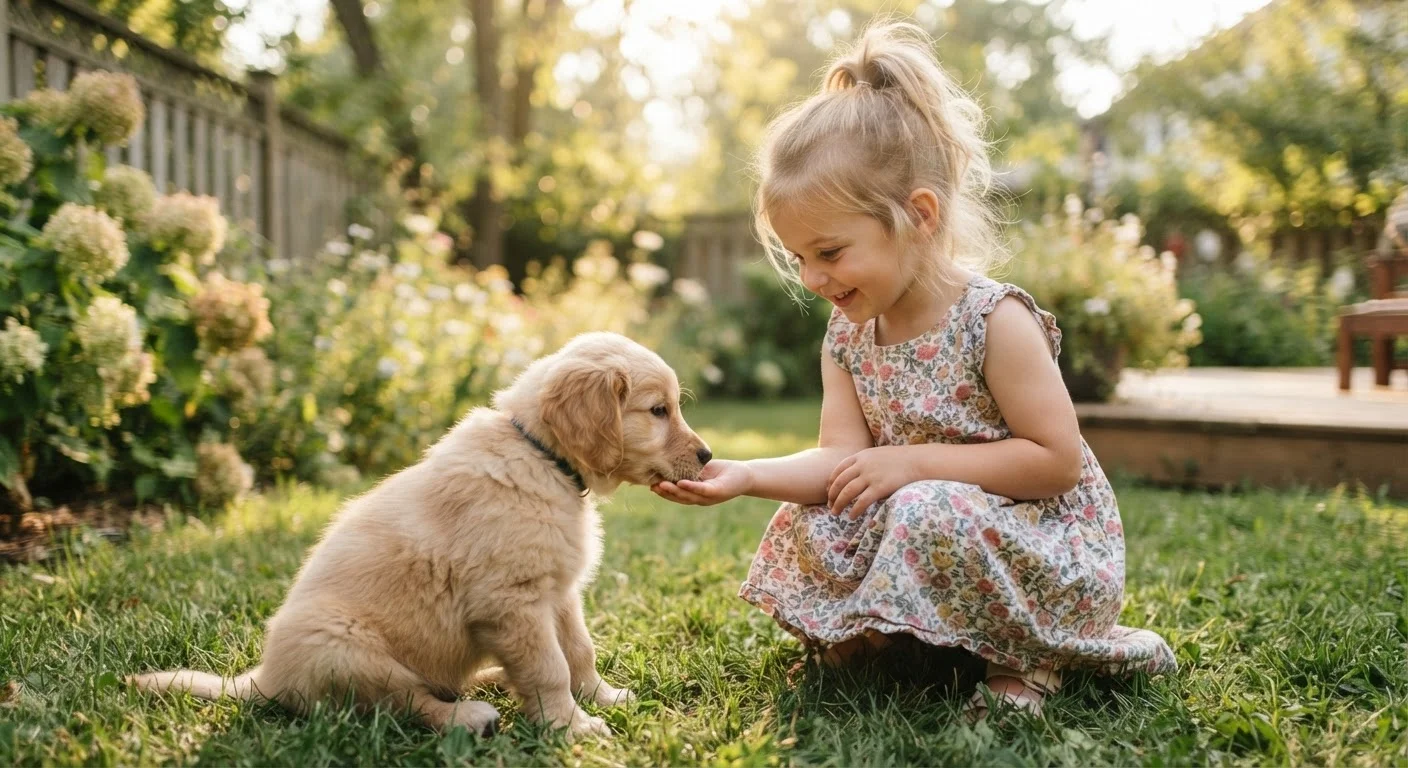
Photo credit: Infolagoon.com | Blogs To Rely On
In this article
Early exposure to people, animals, and environments has a lasting effect on temperament. Here's what the socialization period involves.
Key Takeaways
- Socialization happens during a brief developmental window that cannot be fully replicated later in life.
- Positive, low-stress exposures during this period reduce fear and reactivity in adult pets.
- Dogs typically have a socialization window from 3 to about 14 weeks; cats from 2 to 7 weeks.
- Missing the window doesn't doom a pet — but rehabilitation takes considerably more time and effort.
- Quality of exposure matters as much as quantity; one frightening experience can be counterproductive.
Why This Window Matters More Than Any Training Class
Most pet owners think of training as something that begins once a pet comes home — sit, stay, leash manners. But the groundwork for how a pet interprets the world is laid much earlier, during a neurologically defined period when the brain is uniquely plastic and impressionable. This is the socialization window, and what happens during it has a more lasting influence on temperament than almost any instruction that follows.
Before bringing a new animal home, understanding this window helps owners make smarter decisions from day one — from where they source a pet to what those first weeks should look like.
3–14 weeks
Primary socialization window for puppies
Animal behavior researchers broadly identify this as the most sensitive developmental period for dogs, based on decades of behavioral and neurological study.
2–7 weeks
Socialization window for kittens
Cats have a shorter critical period; kittens handled regularly by humans during these weeks tend to show greater comfort with human interaction as adults.
#1
Behavioral problems as a cause of pet relinquishment
Behavioral issues are consistently cited among the leading reasons owners surrender pets to shelters, underscoring the practical impact of early socialization.
What the Socialization Period Actually Involves
The socialization period is not simply "being around other animals." It encompasses exposure to a broad spectrum of stimuli: different types of people (children, people with hats, people using mobility aids), varied surfaces underfoot, household sounds, car rides, veterinary handling, and unfamiliar animals. The goal is to help the young animal build a mental map in which novelty is associated with safety rather than threat.
Critically, the quality of each experience matters as much as the number of exposures. A single frightening encounter during this window can leave a stronger imprint than dozens of neutral ones. Every introduction should be structured to allow the animal to approach at its own pace, retreat if needed, and associate the new stimulus with something pleasant — food, calm praise, or play.
Keep First Introductions Short and Positive
Aim for brief encounters that end on a calm, positive note rather than long sessions that risk overwhelming a young animal. If your puppy or kitten shows signs of stress — flattened ears, tucked tail, hiding, or freezing — create distance from the stimulus immediately. Building confidence gradually is far more effective than pushing through visible fear.
Species Differences and Timing
For dogs, behavioral researchers generally identify the primary socialization window as beginning around 3 weeks of age and closing between 12 and 14 weeks — which means a significant portion of it passes before most puppies ever reach their new home. Responsible breeders and shelters play a crucial role in early exposure, handling puppies regularly and introducing them to varied environments before placement.
Cats have an even shorter window, typically from about 2 to 7 weeks of age. Kittens handled gently and frequently by humans during this period tend to grow into cats that are comfortable with human contact. Feral kittens caught after 7 weeks may require extensive rehabilitation to become comfortable as companions.
For a practical look at how to use those first days well, our guide on building habits in a new puppy's first week offers a structured approach.
After the Window Closes: What Owners Can Still Do
Missing or partially missing the socialization window is not a life sentence for a pet or its owner. Adult animals can learn, adapt, and build new associations — it simply takes more time and more repetition. The nervous system becomes less malleable with age, but it does not become fixed.
Behavior modification for under-socialized adult pets typically involves desensitization (gradual, controlled exposure to a feared stimulus at a distance or intensity that does not trigger fear) and counter-conditioning (pairing the stimulus with something the animal values highly). Progress is measured in weeks and months, not days.
Training older pets follows different principles than early socialization, but the foundational tools — patience, consistency, and positive reinforcement — remain the same. A certified veterinary behaviorist or credentialed trainer can be an invaluable resource for animals with significant fear or reactivity.
Building on early socialization with a consistent daily routine helps pets feel secure and reinforces calm, predictable behavior long after the critical window has passed.
This article is for general informational and educational purposes only. For guidance specific to your pet's health or behavior, consult a licensed veterinarian or certified animal behavior professional.
Frequently Asked Questions

Author
Pets & Animals Editorial Team
Pets & Animals Editorial Team is the collective byline for our editorial team and contributor network. Articles published under this byline or an editorial pen name are researched, written, and reviewed according to our editorial standards for clarity, consistency, and independence before publication.
View all articles →