
Envelope Budgeting in a Digital World
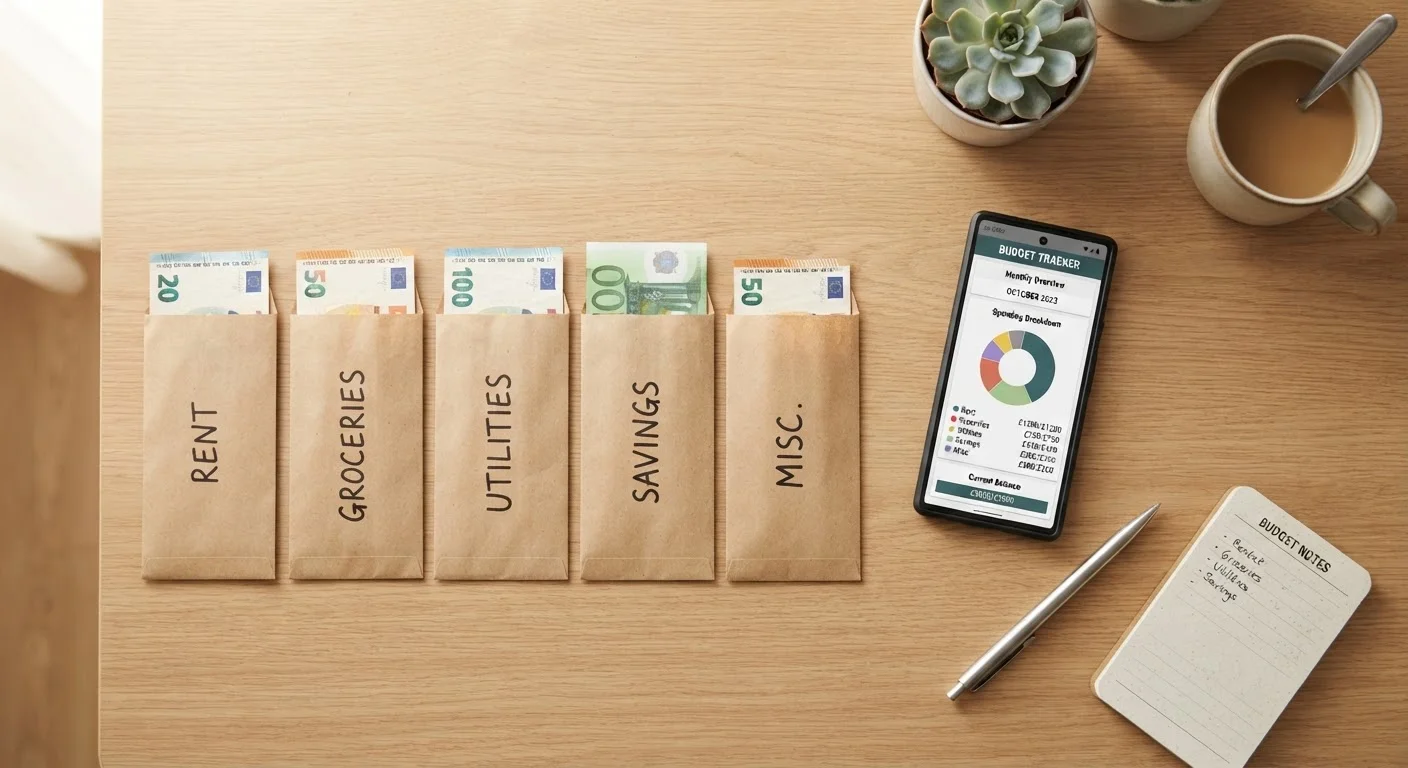
Photo credit: Infolagoon.com | Blogs To Rely On
In this article
The envelope method was designed for cash, but the underlying logic still applies today. See how to adapt it to cards and digital payments.
Key Takeaways
- Envelope budgeting limits spending to pre-set category amounts, preventing overspending before it happens.
- The method works without cash — digital versions use virtual categories or app-based buckets.
- Seeing a category balance drop in real time is the mechanism that changes spending behavior.
- Digital envelope systems require consistent transaction logging to remain accurate.
- Envelope budgeting pairs well with zero-based budgeting, where every dollar of income is assigned a purpose.
Where the Envelope Method Comes From
The envelope method predates personal finance apps by decades. Households — particularly those living paycheck to paycheck — would physically divide their cash into labeled envelopes at the start of each month: one for groceries, one for utilities, one for entertainment, and so on. Once an envelope was empty, spending in that category was done until next month.
The system worked because it made limits tangible. There was no abstraction between intention and action — you could see and feel exactly how much remained. That sensory feedback is something credit and debit cards inherently remove, which is one reason digital budgeters often find their spending harder to track. See how envelope budgeting compares with other systems in our overview of common budgeting approaches.
Adapting the System to Cards and Digital Payments
Most Americans today use debit cards, credit cards, and digital payment platforms — not cash. That doesn't make envelope budgeting obsolete; it just means the envelopes need to be virtual.
There are three main ways to replicate the system digitally:
- Spreadsheet categories: Assign a monthly dollar limit to each spending category and subtract each purchase manually. Simple, flexible, and free — but requires discipline to update consistently.
- Budgeting apps with envelope features: Some personal finance apps are specifically built around envelope-style category tracking, automatically pulling in transaction data and applying purchases against category balances.
- Multiple bank accounts or sub-accounts: Some people maintain separate checking accounts for different spending areas, transferring the budgeted amount into each at the start of the month. This replicates the physical separation of cash envelopes most closely.
Whichever approach you use, the core rule stays the same: once a category's allocation is exhausted, spending in that area stops — or a conscious, deliberate transfer is made from another category.
Log Transactions the Same Day
The single most effective habit for digital envelope budgeting is recording purchases on the day they happen. A quick note in an app or spreadsheet immediately after a transaction keeps your category balances accurate and prevents the gradual drift that derails most digital systems.
For a broader look at the tools available, our comparison of paper budgets, spreadsheets, and apps covers the trade-offs in detail.
Setting Up Your Envelopes: Category Selection
Choosing the right categories is where most people either succeed or abandon the system. Categories that are too broad mask overspending; categories that are too granular become a chore to maintain.
A practical starting point includes fixed necessities (rent or mortgage, utilities, insurance), variable necessities (groceries, fuel, medical), and discretionary spending (dining out, entertainment, clothing). Savings and debt repayment should also have their own envelope — treating them as expenses rather than afterthoughts is one of the method's most valuable habits.
Our guide to standard spending categories offers a reference list with plain-language explanations for building your initial setup.
78%
Americans living paycheck to paycheck at some point
A widely cited figure from various consumer surveys suggests the majority of U.S. adults have experienced paycheck-to-paycheck cash flow, underscoring the need for structured spending systems.
~$1,000
Average monthly discretionary spending per U.S. consumer
Bureau of Labor Statistics Consumer Expenditure data indicates discretionary spending represents a substantial share of household budgets — the category where envelope limits have the most immediate impact.
3 in 10
U.S. adults who follow a formal budget
Gallup polling has found that formal, structured budgeting remains far from universal among American adults, despite widespread awareness of its benefits.
Why the Method Works — and Where It Can Fall Short
The envelope method's effectiveness comes from pre-commitment: decisions about how much to spend are made calmly at the start of the month, not impulsively at the point of purchase. Research in behavioral economics consistently shows that people spend more when payment feels abstract — a dynamic that cash-in-hand or a visible depleting balance helps counter.
That said, the system has real limitations. It requires regular logging of transactions to stay accurate, which takes time and consistency. It also works better for variable, discretionary spending than for irregular large expenses like annual insurance premiums or car repairs — those benefit from a separate sinking fund approach rather than a monthly envelope.
“A budget is telling your money where to go instead of wondering where it went.”
— Dave Ramsey, Personal finance author and radio host, longtime advocate of the envelope budgeting method
Envelope budgeting also pairs naturally with zero-based budgeting, where every dollar of income is assigned a specific purpose. If you're considering combining both approaches, our comparison of zero-based and envelope budgeting walks through how they differ and overlap.
Keeping Your Envelopes Accurate Over Time
A digital envelope system is only as reliable as the data going into it. The most common failure point is delayed or missed transaction entry — a few unlogged purchases can make a nearly-empty category look flush, leading to real overspending.
Building a brief weekly review into your routine — five to ten minutes to reconcile transactions against your category balances — catches errors before they compound. At month's end, a more thorough review helps you refine your allocations for the following month. Our monthly budget review checklist provides a structured process for this step.
Over time, your envelope amounts will become more accurate as you observe actual spending patterns. The first month is rarely perfect; the goal is calibration, not perfection.
This article is for general informational purposes only and does not constitute personalized financial advice. Readers should consider consulting a qualified financial professional for guidance specific to their individual circumstances.
Frequently Asked Questions

Author
Money & Finance Editorial Team
Money & Finance Editorial Team is the collective byline for our editorial team and contributor network. Articles published under this byline or an editorial pen name are researched, written, and reviewed according to our editorial standards for clarity, consistency, and independence before publication.
View all articles →