
Sodium in the American Diet: Where It Actually Comes From
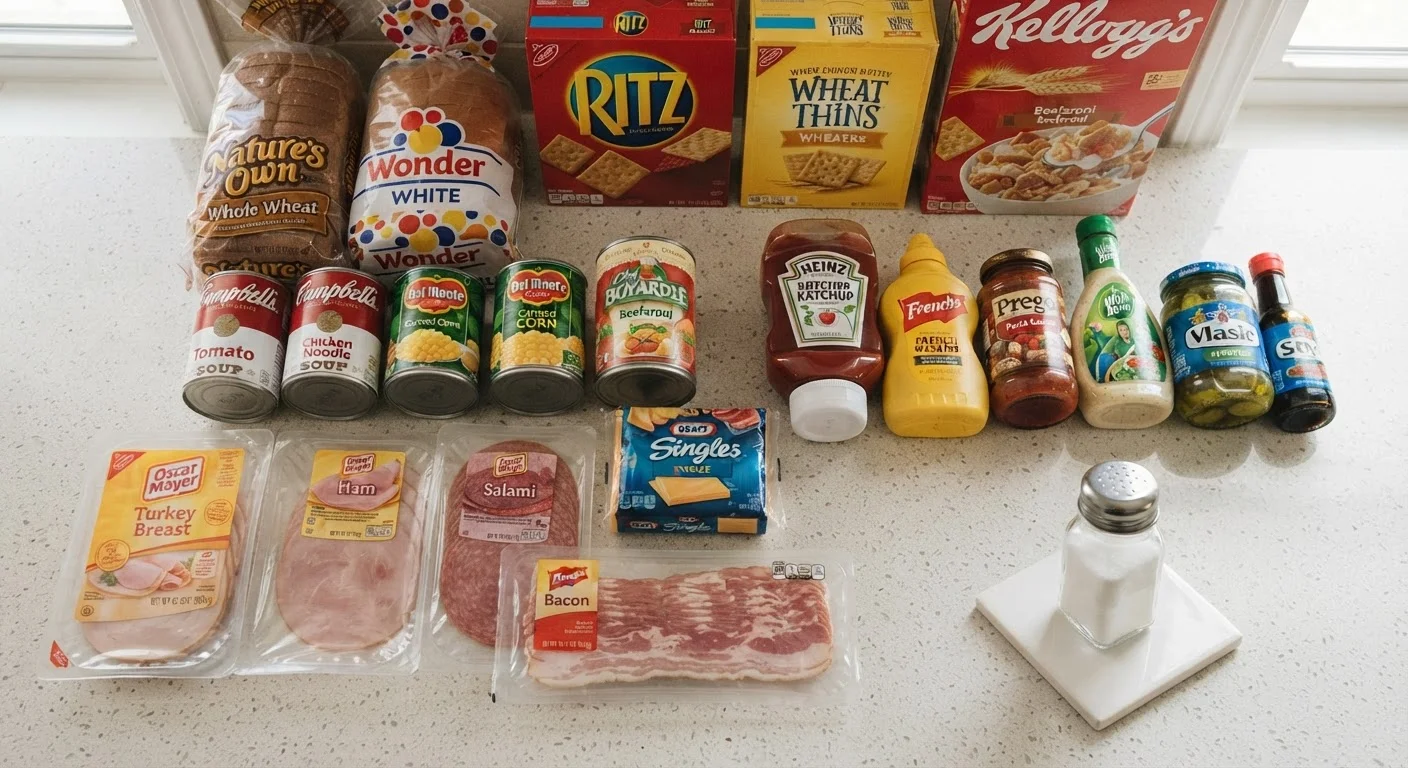
Photo credit: Infolagoon.com | Blogs To Rely On
In this article
Most dietary sodium doesn't come from a salt shaker. A factual breakdown of where sodium hides in everyday American eating patterns.
Key Takeaways
- About 70% of Americans' sodium intake comes from packaged, processed, and restaurant foods.
- Bread, deli meats, pizza, and soups are among the top contributors of sodium in the U.S. diet.
- The salt shaker at the table accounts for only a small fraction of daily sodium intake.
- Sodium can be difficult to detect by taste alone - many high-sodium foods don't taste noticeably salty.
- Reading the Nutrition Facts label is the most reliable way to track sodium in everyday foods.
The Salt Shaker Myth
Many Americans assume that controlling sodium means simply pushing the salt shaker aside at the dinner table. It's a reasonable instinct - but it addresses a small fraction of the real problem. The CDC estimates that roughly 70% of the sodium Americans consume comes from processed, packaged, and restaurant foods, not from anything added during home cooking or at the table.
This misunderstanding is one of the most persistent gaps in everyday nutrition knowledge. You can avoid salting your food entirely and still consume far more sodium than recommended if your diet relies heavily on convenience foods, takeout, or packaged snacks. As our editorial team has covered, many common nutrition assumptions like this one don't hold up to scrutiny.
~70%
of sodium comes from processed and restaurant foods
According to the CDC, the vast majority of sodium in American diets comes from packaged and food-service sources, not home cooking.
3,400 mg
Average daily sodium intake for American adults
The CDC reports that Americans consume an average of about 3,400 mg of sodium per day - nearly 50% above the recommended limit of 2,300 mg.
10
Food categories supply most U.S. dietary sodium
Research from the CDC found that just 10 food categories account for more than 40% of total sodium consumed in the United States.
Where Sodium Is Actually Hiding
The top dietary sodium sources in the U.S. may surprise you. The CDC has identified a recurring group of foods - sometimes called the "salty six" - that collectively account for a substantial portion of sodium in the American diet:
- Bread and rolls - A single slice can contain 100-200 mg of sodium. Eaten multiple times a day, it adds up fast.
- Pizza - Combines high-sodium crust, sauce, cheese, and cured meat toppings.
- Sandwiches - Including deli meats, which are cured with sodium for preservation.
- Cold cuts and cured meats - Among the most sodium-dense foods by weight.
- Soups - Canned and restaurant soups are notoriously high; a single can can contain over 800 mg.
- Burritos and tacos - A combination of seasoned meats, cheese, and sauces makes these significant contributors.
What these foods share is that sodium isn't just added for taste - it serves as a preservative and texture agent. This is why so many of them don't taste overwhelmingly salty even when they're high in sodium.
Sodium Serves More Than Flavor
In food manufacturing, sodium compounds - including sodium chloride, sodium nitrate, and monosodium glutamate - are used to inhibit bacterial growth, extend shelf life, and improve texture. This functional role means sodium is present even in foods that don't taste noticeably salty, like bread, cottage cheese, and some breakfast cereals.
How to Actually Track Sodium in Your Diet
The Nutrition Facts label is your most reliable tool. By law, food manufacturers must list sodium content per serving in milligrams. A few practical habits can make a real difference:
- Compare labels within categories. Sodium content varies widely between similar products - two brands of canned tomatoes or chicken broth can differ by hundreds of milligrams per serving.
- Watch serving sizes. A container may list a modest sodium figure, but if the serving size is unrealistically small relative to how much you actually eat, the true intake is higher.
- Look beyond obvious sources. Condiments, salad dressings, marinades, and breakfast cereals contribute meaningful amounts of sodium that often go unnoticed.
It's also worth noting that "low sodium" and "reduced sodium" on packaging have specific legal definitions - but they don't automatically mean the product is low in sodium in absolute terms. Our piece on nutrition traps in healthy food marketing breaks down what these label claims actually mean.
A Simple Label-Reading Habit
When checking sodium on a Nutrition Facts label, a general rule of thumb used by nutrition educators is: 5% Daily Value or less is considered low sodium, while 20% or more is considered high. This quick check helps you compare products at a glance without doing mental math.
This article is for general informational purposes only and does not constitute medical or dietary advice. Consult a qualified healthcare professional or registered dietitian for guidance tailored to your health needs.
Frequently Asked Questions

Author
Health & Wellness Editorial Team
Health & Wellness Editorial Team is the collective byline for our editorial team and contributor network. Articles published under this byline or an editorial pen name are researched, written, and reviewed according to our editorial standards for clarity, consistency, and independence before publication.
View all articles →