
Plant-Based Eating: A Practical Starting Point for Omnivores
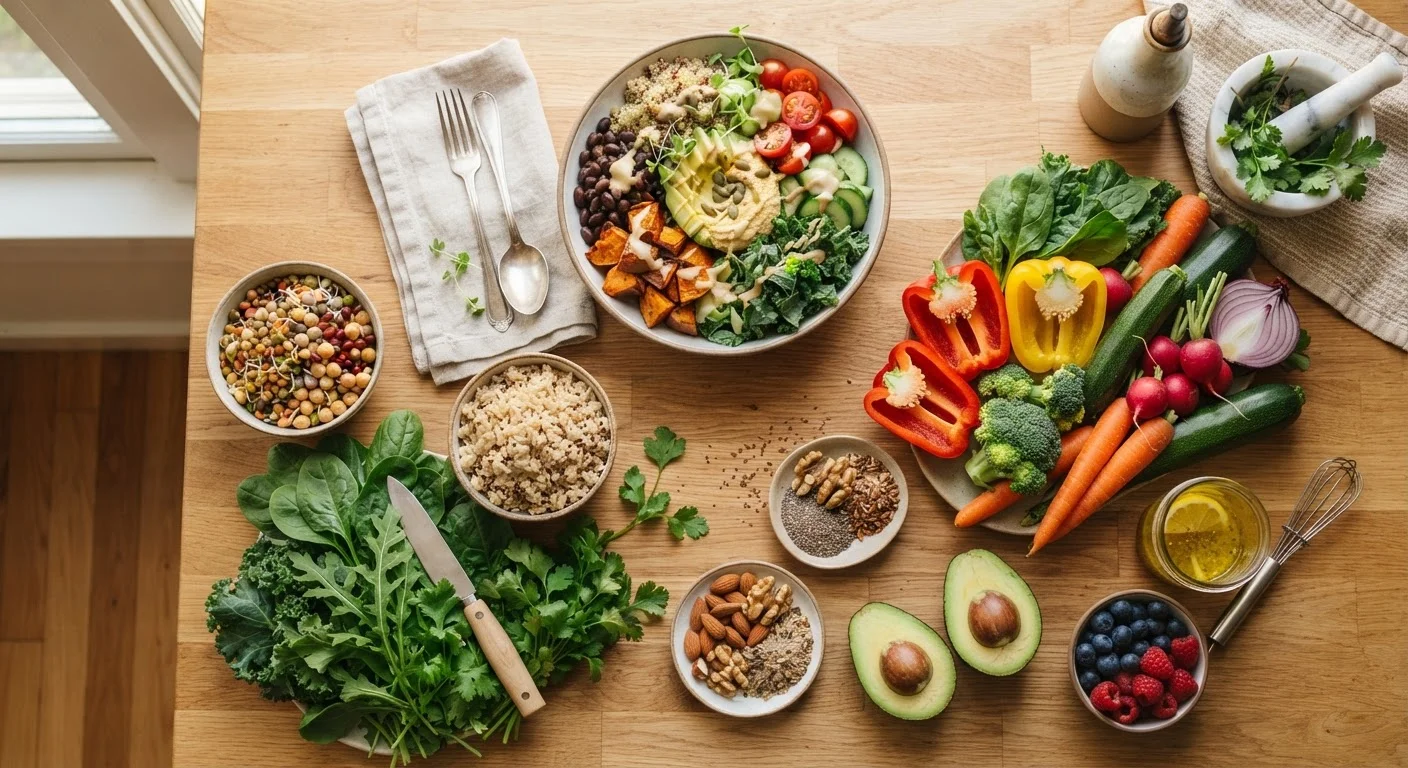
Photo credit: Infolagoon.com | Blogs To Rely On
In this article
A grounded introduction to plant-forward diets—what they involve, what the research suggests, and how to shift gradually if you choose to.
Key Takeaways
- Plant-based eating is a spectrum - it doesn't require eliminating all animal foods.
- Research links plant-forward diets to reduced risk of several chronic diseases, though diet quality matters most.
- Key nutrients like B12, iron, and protein require deliberate attention when reducing animal foods.
- Gradual, sustainable changes tend to be more effective than an overnight overhaul.
- Whole plant foods - not heavily processed plant-based products - are the foundation of a healthful approach.
What 'Plant-Based' Actually Means
The term plant-based gets used broadly, and that flexibility is intentional. At its core, a plant-forward diet emphasizes vegetables, fruits, legumes, whole grains, nuts, and seeds as the primary sources of nutrition - while reducing (not necessarily eliminating) animal products like meat, dairy, and eggs.
This is distinct from strict veganism or vegetarianism, though those patterns fall within the spectrum. Common plant-based approaches include:
- Flexitarian: Mostly plant foods with occasional meat or fish
- Pescatarian: Plant foods plus seafood, no other meat
- Vegetarian: No meat or fish; may include dairy and eggs
- Vegan: No animal products of any kind
For omnivores curious about shifting their eating habits, the flexitarian approach offers a low-pressure entry point. There's no universal definition of how plant-heavy a diet must be to qualify - what matters more is the overall pattern and quality of foods consumed.
Plant-based diet
An eating pattern centered primarily on foods from plants - vegetables, fruits, legumes, grains, nuts, and seeds - with reduced or no animal products.
Flexitarian
A mostly plant-based eater who occasionally includes meat or other animal foods, without strict rules about frequency or quantity.
Whole plant foods
Foods derived from plants that are minimally processed and close to their natural state, such as lentils, leafy greens, oats, and fresh fruit.
Non-heme iron
The form of iron found in plant foods, which the body absorbs less efficiently than the heme iron in meat; absorption can be improved by pairing with vitamin C.
Bioavailability
How efficiently the body can absorb and use a nutrient from food; some nutrients in plant foods are absorbed at lower rates than those in animal foods.
Observational study
A type of research that tracks what people eat and what health outcomes they experience, without directly controlling what participants do - showing associations, not proven cause-and-effect.
What the Research Suggests
A substantial body of observational research associates plant-forward dietary patterns with lower rates of heart disease, type 2 diabetes, certain cancers, and obesity. Large cohort studies - including research on Mediterranean and DASH diets, both of which are largely plant-centered - consistently show these associations.
It's important to read this evidence carefully. Most studies are observational, meaning they identify correlations rather than proving direct causation. People who eat more plant foods also tend to engage in other health-supporting behaviors. Additionally, the quality of plant foods consumed matters enormously - a diet of white bread, French fries, and sugary cereal is technically plant-based but carries very different health implications than one built around legumes and leafy greens.
That said, the overall weight of evidence supports increasing whole plant food intake as a reasonable, broadly beneficial dietary direction for most adults. This general view is reflected in U.S. dietary guidelines, which recommend that vegetables, fruits, legumes, and whole grains form the foundation of a healthful eating pattern.
Focus on Food Quality, Not Just Category
When evaluating any dietary shift, the quality of foods matters more than the label on the eating pattern. Prioritizing whole, minimally processed plant foods - rather than swapping one processed product for another - is where the clearest nutritional benefit lies. A modest shift toward higher-quality plant foods often has more impact than a dramatic categorical change.
Nutrients to Pay Attention To
Reducing animal foods introduces potential gaps in certain nutrients. Being aware of these - and planning accordingly - is key to a nutritionally complete plant-forward diet.
- Vitamin B12
- Found almost exclusively in animal products. Those eating fully plant-based typically need a supplement or fortified foods. Flexitarians who still eat some animal products may cover needs adequately.
- Iron
- Plant foods contain non-heme iron, which is absorbed less efficiently than the heme iron in meat. Pairing iron-rich plants (lentils, spinach, tofu) with vitamin C-rich foods can improve absorption.
- Omega-3 fatty acids
- EPA and DHA, the forms most directly used by the body, are concentrated in fatty fish. ALA from flaxseeds and walnuts can be partially converted, but algae-based supplements offer a direct plant source of EPA/DHA.
- Calcium and Vitamin D
- Both are available through fortified plant milks and some plant foods, though getting adequate amounts may require intentional planning or supplementation depending on individual circumstances.
- Zinc and Protein
- Legumes, seeds, and whole grains provide these, though absorption of zinc from plant sources is somewhat lower. Variety and adequate total intake generally address this. See our detailed overview of protein sources for more on plant vs. animal protein trade-offs.
If you're managing a health condition or making significant dietary changes, a registered dietitian can help you assess your individual needs.
Practical Ways to Shift Gradually
Sustainable dietary change rarely comes from dramatic overhauls. Research on behavior change consistently supports small, repeated actions over radical restructuring. Here are practical strategies for omnivores looking to eat more plants without overhauling their entire approach to food:
- Start with swaps, not subtractions. Replace ground meat in familiar dishes - chili, tacos, pasta sauce - with lentils, black beans, or mushrooms. The flavor profile stays familiar while the nutritional foundation shifts.
- Build meals outward from vegetables. Instead of designing a meal around a protein centerpiece, try starting with a vegetable or grain and adding protein as a supporting element.
- Try one plant-forward day per week. A weekly rhythm (sometimes called "Meatless Monday") lowers the psychological barrier and builds confidence in plant-based cooking skills.
- Lean on legumes. Beans, lentils, and chickpeas are among the most affordable, nutrient-dense, and versatile foods available. They require minimal preparation and work in dozens of cuisines.
- Plan ahead. Having plant-based staples prepped and accessible reduces friction. Our meal planning principles guide offers practical frameworks for keeping nutritious food consistently available.
Pairing dietary shifts with other wellness habits - like regular physical activity - tends to reinforce both. The Fitness & Exercise hub offers starting points if movement is also on your radar.
Nutrient Gaps Can Develop Gradually
Deficiencies in B12, iron, or vitamin D often develop slowly and may not produce obvious symptoms until they're significant. If you're substantially reducing animal foods, periodic check-ins with a healthcare provider - including routine bloodwork - can catch shortfalls before they become a problem. Don't rely on symptoms alone as an indicator of nutritional adequacy.
Common Misconceptions
A few persistent myths tend to complicate conversations about plant-based eating. Addressing them directly helps set more realistic expectations.
"Plant-based automatically means healthy."
Highly processed plant-based burgers, packaged snacks, and refined grain products are technically plant-derived but aren't nutritionally equivalent to whole plant foods. Whole foods - minimally processed vegetables, legumes, grains, nuts - are the nutritional foundation, not a product category.
"You can't build muscle without meat."
Protein synthesis depends on total amino acid intake and training stimulus, not protein source. Many athletes successfully maintain or build muscle on plant-based diets with deliberate attention to protein variety and quantity. The balanced plate concepts guide can help clarify how proportions translate to real meals.
"It's too expensive."
Whole plant staples - dried beans, lentils, oats, frozen vegetables, seasonal produce - are typically among the most cost-effective foods per serving. The expense perception often stems from specialty plant-based products, which aren't necessary for a nutritionally sound plant-forward diet.
This article is for general informational and educational purposes only and is not a substitute for professional medical or nutritional advice. Consult a qualified healthcare provider or registered dietitian before making significant changes to your diet, particularly if you have an existing health condition.
Frequently Asked Questions

Author
Health & Wellness Editorial Team
Health & Wellness Editorial Team is the collective byline for our editorial team and contributor network. Articles published under this byline or an editorial pen name are researched, written, and reviewed according to our editorial standards for clarity, consistency, and independence before publication.
View all articles →