
Movement Patterns Every Well-Rounded Fitness Routine Should Include
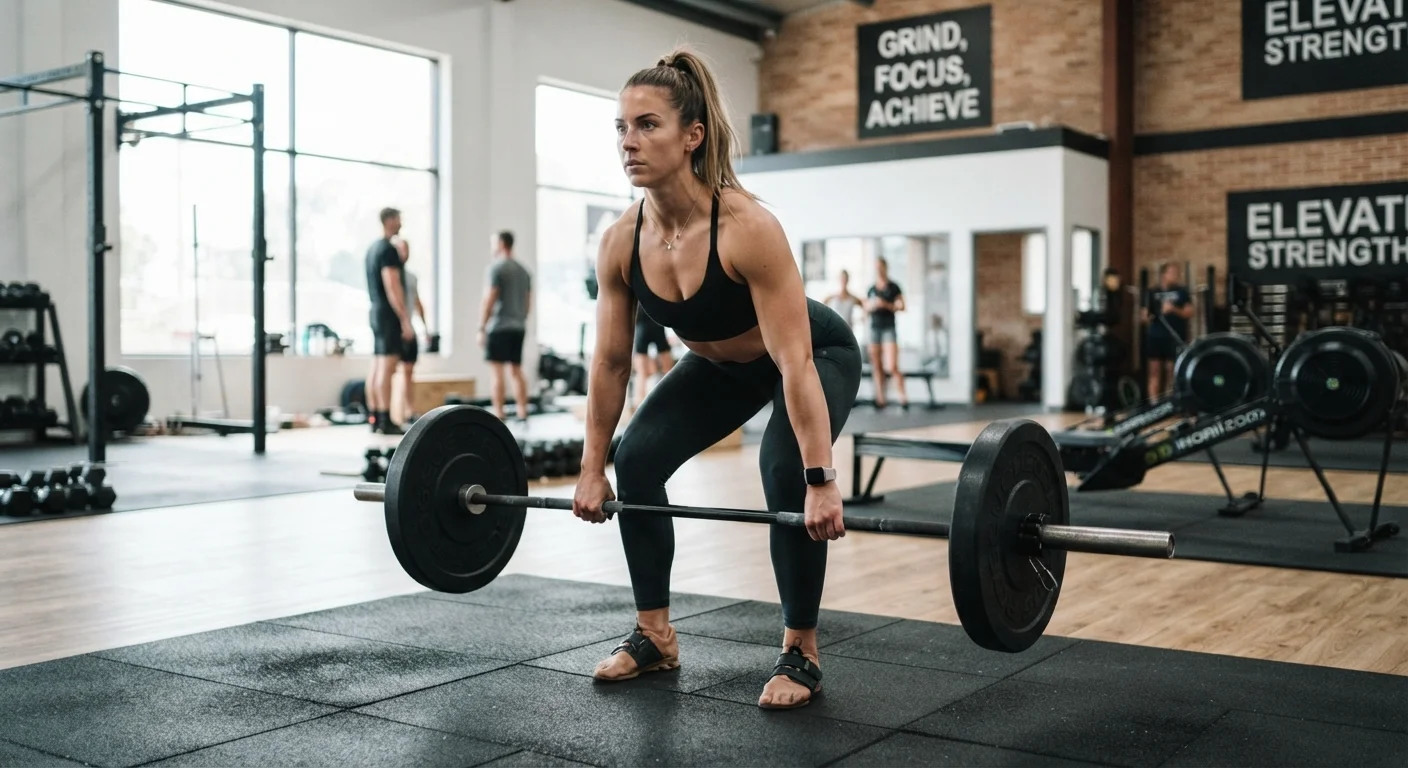
Photo credit: Infolagoon.com | Blogs To Rely On
In this article
Push, pull, hinge, squat, carry — learn the foundational movement categories that form the basis of balanced, functional exercise programming.
Why Movement Patterns Matter More Than Individual Exercises
Most people think about fitness in terms of specific exercises - bicep curls, lunges, planks. But exercise science frames programming around broader movement patterns: fundamental categories of motion that the human body is designed to perform. Building a routine around these patterns ensures you train muscles and joints in a balanced, functional way, rather than overloading some areas while neglecting others.
There are six foundational movement patterns that most fitness professionals agree should anchor a well-rounded program. Understanding them helps you identify gaps in your current routine and make smarter choices about how you train - whether you're working out at a gym or at home.
For those just getting started, our beginner's fitness overview offers helpful context on how movement types fit into early habit-building.
| Number of foundational patterns | 6 |
| Most commonly undertrained pattern | Pull (horizontal and vertical rows) (Commonly cited in exercise science literature) |
| Pattern that trains most muscle groups simultaneously | Squat |
| Often-neglected functional pattern | Carry |
| Key benefit of balanced pattern training | Reduced injury risk and improved functional strength |
The Six Core Movement Patterns
Each pattern below represents a category of motion, not a single exercise. Many exercises fall under more than one pattern.
Movement pattern
A category of physical motion that groups exercises by how the body moves, rather than by the muscles used. Training across multiple patterns ensures balanced muscular development.
Posterior chain
The group of muscles running along the back of the body - including the glutes, hamstrings, and erector spinae. These muscles support posture, athletic performance, and spinal health.
Hip hinge
A movement pattern where the hips bend back while the spine stays neutral. It transfers load through the glutes and hamstrings rather than the lower back.
Anti-rotation
Exercises that require the core to resist twisting forces rather than produce them. These build spinal stability and are important for injury prevention.
Carry pattern
A movement category involving walking while holding a load. It trains grip strength, core stability, and shoulder endurance through sustained, functional effort.
1. Push
Any movement where you extend your arms or legs away from your body - think push-ups, overhead presses, or chest presses. Pushes primarily work the chest, shoulders, and triceps.
2. Pull
The counterpart to push: movements that draw resistance toward you. Rows, pull-ups, and lat pulldowns fall here. Pull movements target the back, biceps, and rear shoulders - and are frequently undertrained compared to push exercises.
3. Hip Hinge
Hinging at the hips while maintaining a neutral spine. Deadlifts and kettlebell swings are classic examples. The hinge pattern trains the posterior chain - glutes, hamstrings, and lower back - which supports posture and reduces injury risk.
4. Squat
A knee-dominant pattern that lowers and raises your center of gravity. Squats, goblet squats, and leg press exercises all qualify. This pattern develops the quadriceps, glutes, and core stability simultaneously.
5. Carry
Walking with load - farmer's carries, suitcase carries, or overhead carries. Often overlooked, this pattern builds grip strength, shoulder stability, and core endurance in ways static exercises cannot replicate.
6. Rotation / Anti-Rotation
Movements involving torso rotation or resisting it. Woodchops, Pallof presses, and cable rotations fall here. Rotational strength is critical for sports, daily life, and protecting the lumbar spine.
When choosing between equipment options, understanding the trade-offs between free weights and machines can help you apply these patterns more effectively.
80%
Adults who experience low back pain at some point
According to the National Institute of Neurological Disorders and Stroke, low back pain is one of the most common reasons Americans visit a doctor - and hinge and carry patterns directly strengthen the muscles that support the lumbar spine.
2:1
Recommended pull-to-push ratio for shoulder health
Many strength coaches suggest programming roughly twice as much pulling volume as pushing to counteract the forward-dominant posture common in desk workers and beginners.
Building Balance Into Your Routine
A common imbalance is programming more push than pull - especially among beginners who gravitate toward chest and shoulder exercises. Aim for roughly equal pushing and pulling volume each week to support shoulder health and posture.
You don't need to hit every pattern in every session. Many effective programs split patterns across training days - for example, pairing push and pull on one day and hinge and squat on another. What matters is that all six patterns appear consistently across your weekly schedule.
Structuring a weekly workout schedule around these patterns gives you a practical framework for training that holds up over time - not just for a few weeks.
If your current program feels repetitive or you're not seeing progress, it may be worth auditing which movement categories you're missing. Recognizing when your training approach needs adjustment is a useful skill regardless of your experience level.
This article is for general informational and educational purposes only. It is not a substitute for professional medical or fitness advice. Consult a qualified healthcare provider or certified fitness professional before beginning a new exercise program, especially if you have existing injuries or health conditions.

Author
Health & Wellness Editorial Team
Health & Wellness Editorial Team is the collective byline for our editorial team and contributor network. Articles published under this byline or an editorial pen name are researched, written, and reviewed according to our editorial standards for clarity, consistency, and independence before publication.
View all articles →