
Fitness Tracking: What the Numbers Can and Can't Tell You
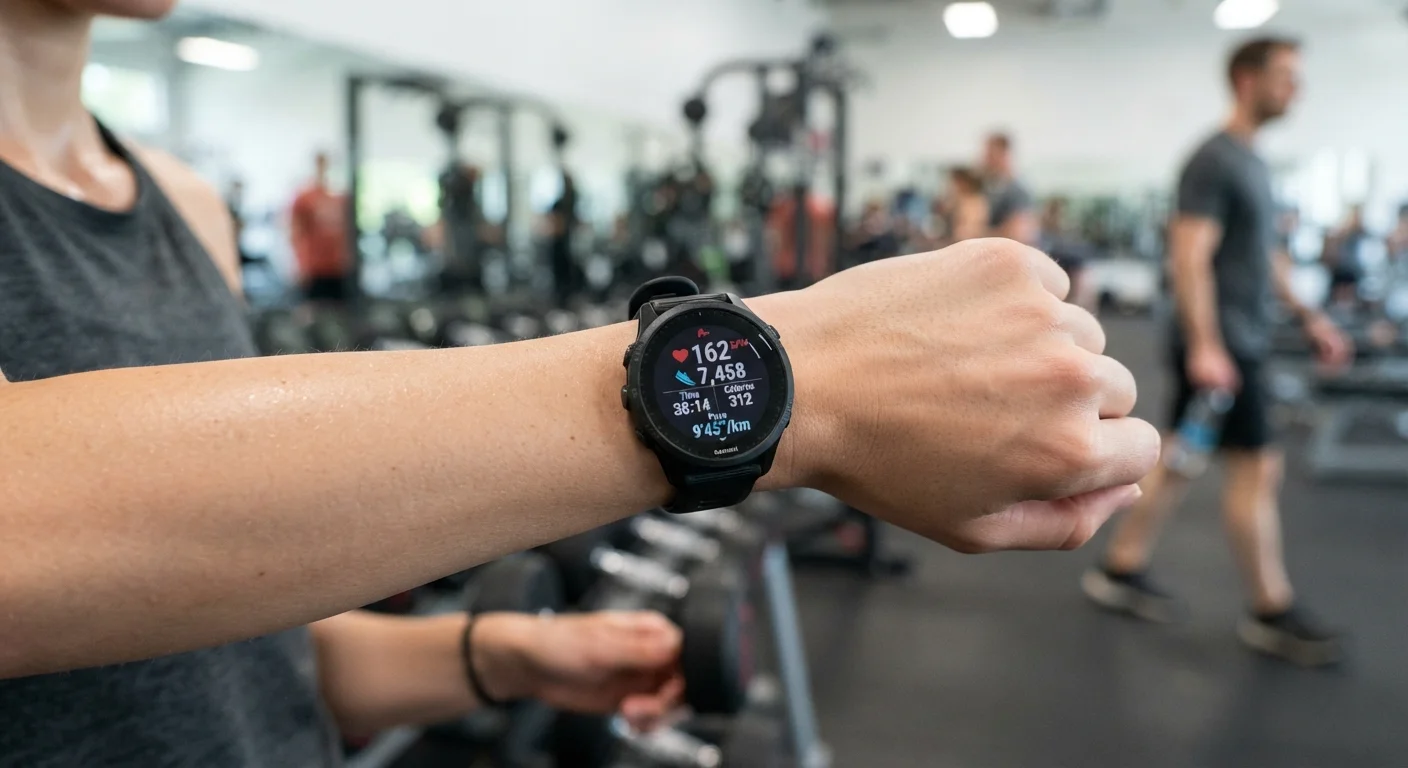
Photo credit: Infolagoon.com | Blogs To Rely On
In this article
Wearables and apps generate a lot of data — but not all of it is meaningful. Learn which fitness metrics are useful and where to apply healthy skepticism.
Key Takeaways
- Fitness trackers provide useful trends but carry meaningful measurement error in many metrics.
- Step counts and heart rate data are generally more reliable than calorie burn estimates.
- Tracking can motivate consistency, but over-reliance on numbers may undermine intuitive body awareness.
- Data privacy is a real consideration - fitness apps collect sensitive personal health information.
- Consult a healthcare professional before using tracker data to inform medical decisions.
Encourages consistent daily movement habits
Visible progress metrics create a simple accountability loop. Research suggests that self-monitoring behavior is associated with greater physical activity levels over time.
Helps identify long-term trends in health data
Tracking resting heart rate or average sleep duration over months can surface patterns that single-point measurements would miss, providing useful context for wellness conversations with a doctor.
Low barrier to entry for activity awareness
Many people genuinely underestimate how sedentary their days are. A basic step count gives concrete, tangible feedback that can prompt small but meaningful changes in daily routine.
Useful for pacing during cardio exercise
Heart rate zone guidance during steady aerobic workouts - like walking, jogging, or cycling - can help individuals exercise at an appropriate intensity without overexertion.
Calorie burn estimates carry significant error
Studies have found consumer fitness trackers can overestimate energy expenditure by 20-40% depending on activity type. Relying on these figures for dietary planning can lead to unintended imbalances.
May encourage ignoring body signals
When hitting a step or calorie goal becomes the primary focus, people may override natural fatigue or discomfort cues - increasing the risk of overuse injuries or burnout.
Sleep staging data is not clinically validated
Consumer wearables estimate sleep phases through motion and heart rate, not brain activity. These estimates are not a reliable substitute for professional sleep evaluation.
Collecting and storing sensitive personal data
Fitness platforms accumulate detailed behavioral and biometric data. Privacy policies vary widely, and data breaches or policy changes can expose sensitive information users didn't expect to share.
Can create anxiety around numbers rather than wellness
For some users, constant metric monitoring increases stress rather than reducing it - a phenomenon sometimes called 'metric anxiety' - and can contribute to an unhealthy relationship with exercise.
What Fitness Trackers Actually Measure
Wearable fitness trackers - whether wrist-based devices, chest straps, or smartphone apps - collect data through a combination of accelerometers, optical heart rate sensors, and GPS. Each sensor type has its own strengths and limitations, and understanding the difference matters before you place too much faith in any single number.
Step counts tend to be among the more reliable metrics. Accelerometers are well-suited to detecting rhythmic walking motion, though they can overcount during activities like driving or doing dishes, and undercount during workouts like cycling. Heart rate readings during steady-state exercise are reasonably accurate on most modern devices, but can become erratic during high-intensity intervals or strength training, when wrist movement interferes with the optical sensor.
Calorie burn estimates, by contrast, are notoriously imprecise. These figures are calculated using algorithms that factor in height, weight, age, and movement data - but they cannot directly measure metabolism, and research has consistently shown they can be off by 20% to 30% or more depending on the individual and activity type. Treat them as rough context, not a precise accounting.
A Note on Medical-Grade vs. Consumer Accuracy
Consumer fitness trackers are not medical devices and are not regulated or cleared by the FDA for diagnostic purposes in most cases. Some devices have received clearance for specific features like ECG readings, but the broader suite of metrics - steps, calories, sleep - operates under no clinical accuracy standard. If you're monitoring a health condition, discuss appropriate tools with your healthcare provider rather than relying on consumer wearable data.
The Real Benefits of Tracking Your Activity
Despite their limitations, fitness trackers offer genuine value - particularly for people building new habits or returning to regular movement after a break. See our guide to common fitness myths for context on what actually drives progress.
Encourages consistent daily movement habits
Visible progress metrics create a simple accountability loop. Research suggests that self-monitoring behavior is associated with greater physical activity levels over time.
Helps identify long-term trends in health data
Tracking resting heart rate or average sleep duration over months can surface patterns that single-point measurements would miss, providing useful context for wellness conversations with a doctor.
Low barrier to entry for activity awareness
Many people genuinely underestimate how sedentary their days are. A basic step count gives concrete, tangible feedback that can prompt small but meaningful changes in daily routine.
Useful for pacing during cardio exercise
Heart rate zone guidance during steady aerobic workouts - like walking, jogging, or cycling - can help individuals exercise at an appropriate intensity without overexertion.
Perhaps the most well-supported benefit is behavioral accountability. Seeing a step count or active minutes figure each day creates a feedback loop that many people find motivating. Tracking trends over weeks - rather than obsessing over daily numbers - can also reveal meaningful patterns: how much sleep correlates with next-day energy, or how stress periods affect resting heart rate.
Where the Numbers Can Mislead You
The same feedback that motivates some people can work against others. Fixating on hitting a specific step target every day, for instance, can shift focus away from how your body actually feels - leading to pushing through fatigue or injury warning signs. A number on a screen cannot detect the difference between productive effort and overtraining.
Calorie burn estimates carry significant error
Studies have found consumer fitness trackers can overestimate energy expenditure by 20-40% depending on activity type. Relying on these figures for dietary planning can lead to unintended imbalances.
May encourage ignoring body signals
When hitting a step or calorie goal becomes the primary focus, people may override natural fatigue or discomfort cues - increasing the risk of overuse injuries or burnout.
Sleep staging data is not clinically validated
Consumer wearables estimate sleep phases through motion and heart rate, not brain activity. These estimates are not a reliable substitute for professional sleep evaluation.
Collecting and storing sensitive personal data
Fitness platforms accumulate detailed behavioral and biometric data. Privacy policies vary widely, and data breaches or policy changes can expose sensitive information users didn't expect to share.
Can create anxiety around numbers rather than wellness
For some users, constant metric monitoring increases stress rather than reducing it - a phenomenon sometimes called 'metric anxiety' - and can contribute to an unhealthy relationship with exercise.
Sleep tracking deserves particular scrutiny. Consumer devices estimate sleep stages - light, deep, REM - using movement and heart rate data. Clinical sleep studies use electroencephalography (EEG) to measure brain activity directly. The two methods are not equivalent, and consumer sleep stage data should not be used to self-diagnose sleep disorders. If you have concerns about sleep quality, a healthcare provider is the right resource. See also how environment affects workout quality for a broader look at fitness context.
Your Data and Your Privacy
Fitness trackers don't just collect numbers - they build detailed profiles of your daily movement, heart rate patterns, sleep schedules, and sometimes location. That data is typically stored on company servers and governed by privacy policies that can change over time.
~27%
Average calorie overestimation by wrist trackers
A Stanford University study found wrist-worn devices overestimated energy expenditure by an average of 27%, with some devices significantly higher.
1 in 5
Adults who use a fitness wearable regularly
Pew Research Center surveys have found roughly one in five American adults report regularly using a smartwatch or fitness tracker.
Before committing to a platform, it's worth reviewing what data is collected, whether it's shared with third parties, and what deletion options exist. For a broader look at how connected devices handle personal data, our article on smart device privacy trade-offs explores these questions in depth.
This article is for general informational purposes only and is not medical advice. Always consult a qualified healthcare professional before making decisions about your health or exercise routine based on wearable device data.

Author
Health & Wellness Editorial Team
Health & Wellness Editorial Team is the collective byline for our editorial team and contributor network. Articles published under this byline or an editorial pen name are researched, written, and reviewed according to our editorial standards for clarity, consistency, and independence before publication.
View all articles →