
Conventional vs. Synthetic Motor Oil: Understanding the Real Difference
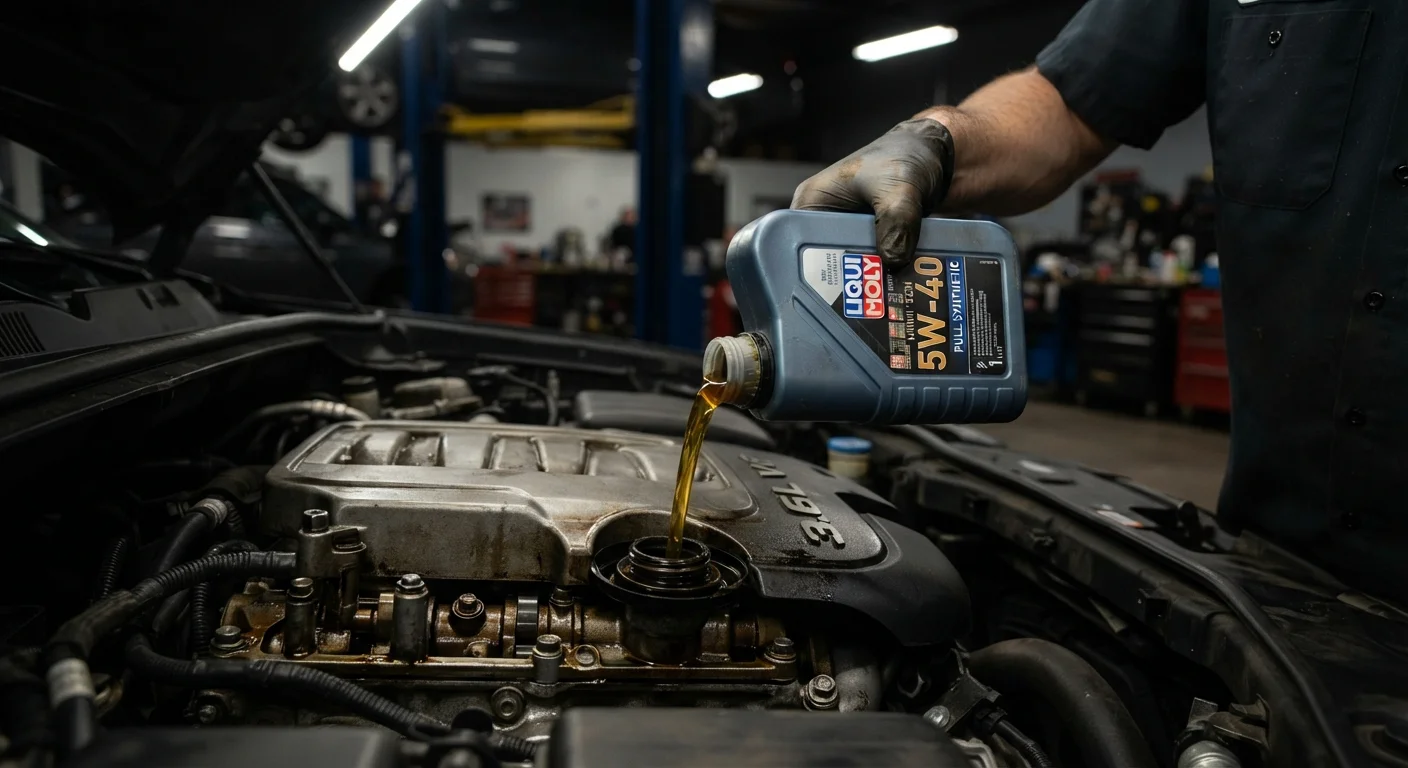
Photo credit: Infolagoon.com | Blogs To Rely On
In this article
Synthetic and conventional oils aren't just marketing terms. Learn what sets them apart and when each makes sense for your engine.
Key Takeaways
- Conventional oil is refined from crude oil; synthetic is chemically engineered for more uniform molecular structure.
- Synthetic oil typically lasts longer between changes and performs better in temperature extremes.
- Conventional oil costs less upfront but may require more frequent changes.
- Your owner's manual - not marketing - should determine which oil type your engine needs.
- Switching between oil types is generally safe, but always verify compatibility with your vehicle's specifications.
What Each Oil Actually Is
Motor oil has one core job: reduce friction between metal engine components and carry away heat and contaminants. Both conventional and synthetic oils do this - but they're made very differently.
Conventional motor oil starts as crude oil pumped from the ground. It's refined to remove impurities, then blended with additive packages that improve viscosity stability, oxidation resistance, and cleaning ability. Because crude oil is a mix of molecules with varying sizes and shapes, conventional oil is inherently less uniform at the molecular level.
Synthetic motor oil is engineered from the ground up. Chemists break down crude oil or other feedstocks into base molecules and then rebuild them into a highly uniform structure. The result is an oil with consistent molecular weight and shape, which translates to more predictable performance across a wider range of temperatures and operating conditions.
Both types use additive packages - the chemistry added to enhance performance - but synthetics typically allow for more refined formulations because the base fluid is already more controlled.
Head-to-Head: Key Differences That Matter
Understanding the practical differences helps you match the right oil to your actual driving situation rather than defaulting to price or habit.
| Criterion | Conventional Oil | Synthetic Oil |
|---|---|---|
| Base Material | Refined crude oil | Chemically engineered molecules |
| Molecular Uniformity | Variable | Highly consistent |
| Cold-Start Performance | Thickens more at low temps | Flows faster in cold weather |
| Heat Resistance | Breaks down sooner under high heat | More stable at high temperatures |
| Typical Change Interval | 3,000-5,000 miles | 7,500-10,000+ miles |
| Cost Per Change | Lower | Higher |
| Best Fit | Older or low-demand engines | Turbocharged, high-performance, or modern engines |
One point that often surprises drivers: switching from conventional to synthetic - or back - won't harm a modern engine. The two are chemically compatible. The decision should come down to your vehicle's requirements and driving conditions, not which one you've always used.
When Synthetic Makes Sense - and When It Doesn't
Synthetic oil earns its higher price tag in specific scenarios. Turbocharged engines run hotter than naturally aspirated ones, and turbochargers spin at extremely high speeds - conditions where synthetic oil's thermal stability is a real advantage. Many automakers now factory-fill new turbocharged vehicles with full synthetic and specify it in the owner's manual.
Synthetic also shines in cold climates. At very low temperatures, conventional oil thickens noticeably before it fully circulates - those first few seconds of cold-start operation are when a significant portion of engine wear occurs. Synthetic flows faster at startup, reducing that exposure window.
Always Check Your Owner's Manual First
Your vehicle's manufacturer specifies an oil viscosity grade (such as 5W-30) and may require a particular oil type. Using an oil that doesn't meet those specs can affect engine warranty coverage. The manual is the authoritative source - not general advice, store shelf labels, or what your neighbor uses. If you've lost your manual, your vehicle manufacturer's website typically provides the information online.
On the other hand, if you drive an older vehicle that was designed around conventional oil tolerances, or your manufacturer explicitly calls for conventional, there's no meaningful benefit to switching - and some high-mileage engines can experience minor seal weeping if switched to synthetic without a seal-conditioning formula.
If your vehicle runs on a hybrid powertrain, oil selection can also interact with engine cycling patterns. See our practical breakdown of gas, hybrid, and electric vehicles for context on how these powertrains differ in maintenance demands.
The Change Interval Question
The old rule of thumb - change your oil every 3,000 miles - was designed around conventional oil in older engines. Modern oils and engines have largely made that interval obsolete.
3,000 mi
Old conventional oil change rule of thumb
The 3,000-mile interval was standard guidance for decades but is now considered outdated for most modern vehicles and oil formulations.
10,000+ mi
Typical synthetic oil change interval
Many full synthetic formulations are rated for extended intervals, though actual interval should always follow the manufacturer's recommendation.
~40%
U.S. new vehicles factory-filled with synthetic
Industry estimates suggest a growing share of new vehicles ship with full synthetic oil as factory fill, particularly turbocharged models.
Many synthetics are rated for 7,500 to 10,000 miles or more between changes, depending on the vehicle and driving conditions. Conventional oil typically falls in the 3,000 to 5,000-mile range. Extended intervals with synthetic can partially offset its higher upfront cost.
That said, change intervals should come from your owner's manual and your vehicle's oil life monitoring system - not general rules of thumb. Severe driving conditions (frequent short trips, towing, stop-and-go traffic) shorten effective oil life regardless of oil type.
Whatever oil type you use, the most important maintenance habit is simply changing it on schedule. Degraded oil - whether conventional or synthetic - does real damage to engine internals over time. If you're evaluating a used vehicle and wondering about its maintenance history, our guide to new, used, and certified pre-owned vehicles covers what to look for.

Author
Autos & Transport Editorial Team
Autos & Transport Editorial Team is the collective byline for our editorial team and contributor network. Articles published under this byline or an editorial pen name are researched, written, and reviewed according to our editorial standards for clarity, consistency, and independence before publication.
View all articles →