
The Real Trade-Offs of Buying a Refurbished Phone
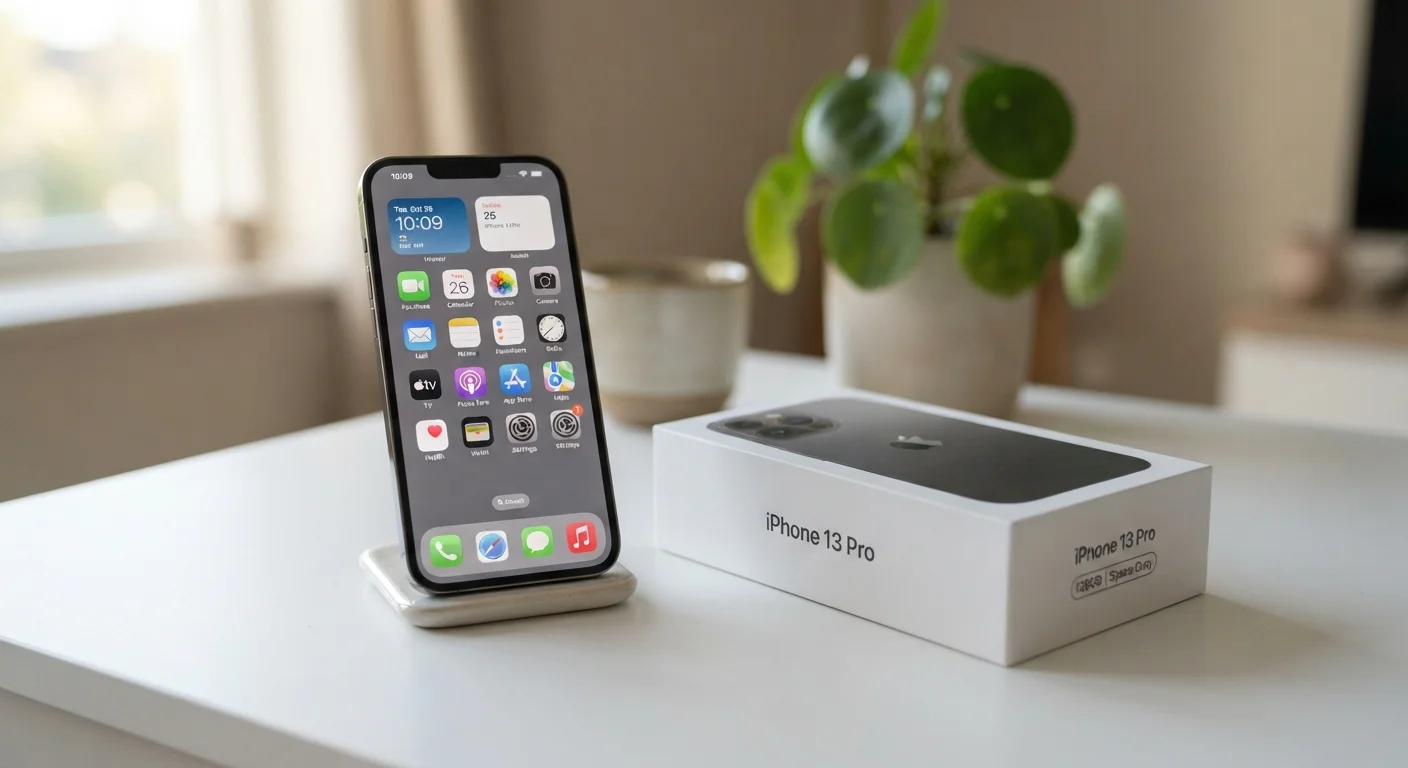
Photo credit: Infolagoon.com | Blogs To Rely On
In this article
Refurbished phones can be a sensible choice — or a frustrating one. Here's an honest look at the genuine advantages and the risks to keep in mind.
Key Takeaways
- Refurbished phones are not the same as used phones — they undergo testing and repairs before resale.
- The source of the refurbishment matters: manufacturer-certified programs differ significantly from third-party sellers.
- Battery health is one of the most important — and most overlooked — factors to check.
- Warranties on refurbished phones are usually shorter than those on new devices.
- A lower upfront price does not always mean lower total cost over time.
Significantly lower upfront cost than new devices
Refurbished phones commonly sell for 20–50% less than their new-device equivalents, making capable hardware more accessible to a wider range of budgets.
Access to higher-spec hardware at lower prices
A previous-generation flagship refurbished phone often outperforms a current mid-range new phone in camera quality, processing speed, and display, at a comparable price.
Reduced environmental impact
Extending the usable life of an existing phone reduces the demand for new manufacturing, which carries a significant resource and energy cost.
Manufacturer-certified programs offer reliable quality control
When a device comes through the manufacturer's own refurbishment program, it typically includes documented testing, part replacement where needed, and a limited warranty.
Often ships with basic accessories included
Many certified refurbished programs include a charger and sometimes a cable, reducing ancillary costs.
Battery may be degraded and unreplaced
Unless the seller explicitly confirms a battery replacement, an older phone may only hold a fraction of its original charge capacity, significantly affecting daily usability.
Shorter or more limited warranty coverage
Refurbished phones rarely come with a full year of warranty as standard, and third-party refurbishers may offer as little as 30–90 days, leaving less recourse if problems emerge.
Software support window may be nearly exhausted
An older device may be close to — or past — the end of the manufacturer's security update schedule, which matters for protecting personal data.
Cosmetic wear may not match expectations
Grading standards vary between sellers, and a device described as 'good condition' by one refurbisher may have more visible wear than another's equivalent listing.
Harder to verify full device history
Even with reputable sellers, consumers rarely have full visibility into how a device was used, dropped, or repaired before being refurbished.
What 'Refurbished' Actually Means
The word refurbished gets used loosely, which is part of the problem. At its most rigorous, a refurbished phone has been returned, inspected, repaired where necessary, and tested against a defined standard before being resold. At its loosest, it means someone wiped the device and put it back in a box.
The most important distinction is who did the refurbishing. Manufacturer-certified programs — run by the phone maker or an authorized partner — typically follow documented procedures, replace worn parts like batteries, and provide a limited warranty. Third-party refurbishers vary enormously. Some are meticulous; others are not. When you're evaluating a refurbished device, the refurbisher's reputation and the warranty terms are more meaningful than the price tag alone.
This same logic applies when you're buying other second-hand tech. See our guide to buying a refurbished laptop for the specific checks worth running before committing to any second-hand device.
The Genuine Advantages
There are real reasons why refurbished phones make sense for a wide range of consumers.
Significantly lower upfront cost than new devices
Refurbished phones commonly sell for 20–50% less than their new-device equivalents, making capable hardware more accessible to a wider range of budgets.
Access to higher-spec hardware at lower prices
A previous-generation flagship refurbished phone often outperforms a current mid-range new phone in camera quality, processing speed, and display, at a comparable price.
Reduced environmental impact
Extending the usable life of an existing phone reduces the demand for new manufacturing, which carries a significant resource and energy cost.
Manufacturer-certified programs offer reliable quality control
When a device comes through the manufacturer's own refurbishment program, it typically includes documented testing, part replacement where needed, and a limited warranty.
Often ships with basic accessories included
Many certified refurbished programs include a charger and sometimes a cable, reducing ancillary costs.
One underappreciated benefit is the environmental angle. Manufacturing a new smartphone requires significant raw materials and energy. Extending the usable life of an existing device reduces that footprint in a concrete, measurable way — not just in theory.
For consumers managing tight budgets, the savings can also allow access to a tier of hardware that would otherwise be out of reach. A mid-range new phone and a flagship refurbished phone can carry similar price tags, but the flagship will often have a better display, camera system, and processing capability. If you want to understand what display specifications like resolution and refresh rate actually mean in your daily use, this plain-language display guide explains the terms clearly.
15%+
Annual growth in global refurbished smartphone market
Industry research consistently shows the refurbished and used smartphone segment growing faster than the new device market, reflecting rising consumer interest in value and sustainability.
20–50%
Typical discount versus new equivalent
Refurbished phones from certified programs generally sell at a 20–50% discount compared to the same model purchased new, depending on age and condition grade.
The Real Risks to Weigh
A balanced look requires honesty about the downsides, several of which are easy to overlook when the price looks attractive.
Battery may be degraded and unreplaced
Unless the seller explicitly confirms a battery replacement, an older phone may only hold a fraction of its original charge capacity, significantly affecting daily usability.
Shorter or more limited warranty coverage
Refurbished phones rarely come with a full year of warranty as standard, and third-party refurbishers may offer as little as 30–90 days, leaving less recourse if problems emerge.
Software support window may be nearly exhausted
An older device may be close to — or past — the end of the manufacturer's security update schedule, which matters for protecting personal data.
Cosmetic wear may not match expectations
Grading standards vary between sellers, and a device described as 'good condition' by one refurbisher may have more visible wear than another's equivalent listing.
Harder to verify full device history
Even with reputable sellers, consumers rarely have full visibility into how a device was used, dropped, or repaired before being refurbished.
Battery health deserves special attention. Lithium-ion batteries degrade with each charge cycle, and a phone that's been used for a year or two may only hold 75–80% of its original capacity — meaning noticeably shorter days between charges. A good refurbisher replaces the battery; a poor one doesn't. Always ask explicitly about battery condition or replacement status before purchasing.
Software support is another variable. Older flagship phones from some manufacturers receive security and OS updates for a limited number of years. A refurbished phone that's already two or three years old may be approaching — or already past — the end of its support window. This matters for security, not just new features.
Questions Worth Asking Before You Buy
Regardless of where you're purchasing, a few direct questions can help separate a sound deal from a frustrating one:
- What grade is the device? Many sellers use grading systems (A, B, C or similar) to indicate cosmetic condition. Understand what the seller's grading actually means — definitions vary.
- Was the battery replaced? If not, ask for the reported battery health percentage.
- What warranty is included? Ninety days is common; some offer a year. Understand exactly what's covered.
- Is the device carrier-unlocked? A locked phone only works on one carrier's network, which limits your flexibility.
- Has the device been reported lost or stolen? Reputable sellers check this; you can also verify independently using the device's IMEI number.
Check the IMEI Before Committing
Every phone has a unique identifying number called an IMEI (International Mobile Equipment Identity). You can check a device's IMEI against public databases to confirm it hasn't been reported lost or stolen and isn't carrier-blacklisted. Reputable sellers typically provide this check themselves, but you can also do it independently. A blocked or blacklisted IMEI can render a phone unable to connect to any cellular network.
The trade-off calculus for refurbished phones shares some parallels with other second-hand purchases. If you've navigated the new vs. used vs. certified pre-owned vehicle decision, you'll recognize similar themes: certification programs add cost but reduce uncertainty, and the seller's reputation shapes the risk considerably.
Once you have a phone — new or refurbished — consistent care habits can extend how long it stays reliable. Keeping a smartphone running well for longer covers the habits that genuinely make a difference.

Author
Tech & Gadgets Editorial Team
Tech & Gadgets Editorial Team is the collective byline for our editorial team and contributor network. Articles published under this byline or an editorial pen name are researched, written, and reviewed according to our editorial standards for clarity, consistency, and independence before publication.
View all articles →