
Phone Camera Specs That Sound Impressive but Rarely Matter
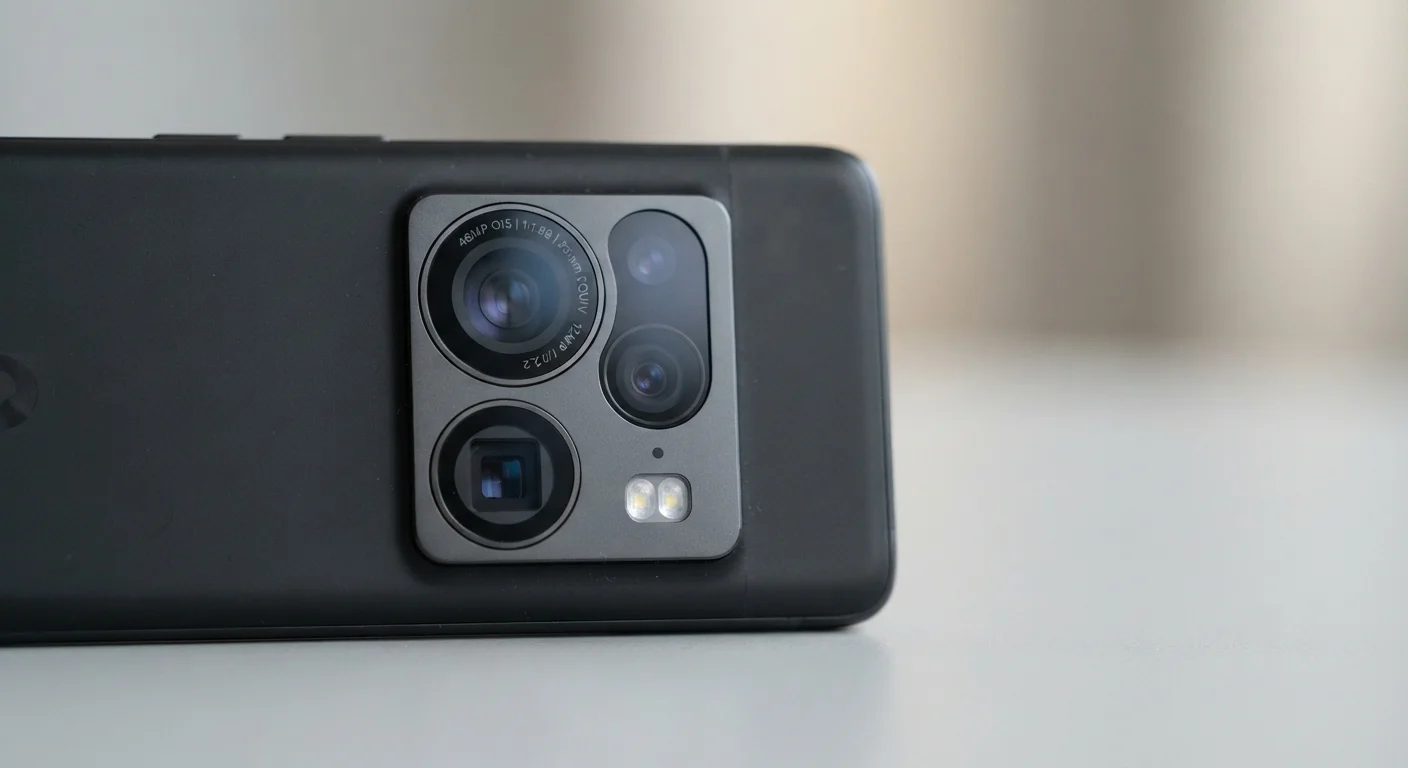
Photo credit: Infolagoon.com | Blogs To Rely On
In this article
Megapixel counts and zoom numbers dominate camera marketing, but they don't tell the whole story. Learn which specs actually affect your photos.
Key Takeaways
- Higher megapixel counts don't automatically produce sharper or better-looking photos in everyday shooting.
- Optical zoom and digital zoom are fundamentally different — only one preserves real image quality.
- Sensor size and software processing often matter more than any single spec number on the box.
- Aperture numbers printed on the box apply only to the main lens, not the full camera system.
Why Camera Specs Are Designed to Impress, Not Inform
Walk into any phone section of an electronics store and you'll see camera specs front and center: 200MP, 10x zoom, f/1.8 aperture. These numbers are chosen because they sound powerful — not because they reliably predict whether your photos will look great.
Marketing naturally leans on the biggest, most countable numbers. The problem is that photo quality depends on a combination of hardware, software, and physics that no single spec captures. Understanding which numbers actually affect your experience can save you from being swayed by impressive-sounding claims that have little real-world impact.
This article walks through the most common camera spec mistakes consumers make and explains what to pay attention to instead. For similar myth-busting on other device specs, see our guide on common laptop spec misconceptions.
The Mistakes That Lead Buyers Astray
These are the camera spec errors that trip up even careful shoppers — along with the reasoning behind each and how to think more clearly about what actually matters.
Treating megapixel count as the primary measure of photo quality.
Why it happens: Megapixels are easy to quantify and compare, so they dominate marketing materials. It feels logical that more pixels equal sharper pictures.
Confusing digital zoom with optical zoom.
Why it happens: Both are marketed as "zoom," and large numbers — like "50x zoom" — sound like a major capability boost regardless of type.
Assuming a wider aperture number always means better photos.
Why it happens: Aperture (expressed as f/1.8, f/2.0, etc.) does affect how much light enters the camera, but the spec listed on the box typically refers only to the main wide lens.
Overvaluing the number of camera lenses on the back.
Why it happens: More lenses look more capable, and manufacturers have incentivized this impression by adding lenses that handle niche scenarios most users never encounter.
Ignoring video stabilization quality when evaluating camera specs.
Why it happens: Still-photo specs dominate marketing, so video capabilities — especially stabilization — are often overlooked until after purchase.
12–50MP
Resolution range in most flagship phone cameras
Many highly regarded flagship cameras use sensors in the 12–50MP range, demonstrating that resolution alone doesn't define image quality.
~1 inch
Sensor size in high-end compact cameras vs. phones
Dedicated cameras with one-inch sensors can capture significantly more light than most phone sensors, which typically measure a fraction of that size despite high megapixel counts.
What Actually Shapes Photo Quality
Beyond individual specs, a few factors have an outsized effect on your real-world photos. Sensor size — how physically large the image sensor is — determines how much light the camera can capture. Larger sensors generally perform better in dim conditions because they gather more light per pixel, reducing the grainy look (called noise) common in low-light shots.
Computational photography refers to software that runs automatically when you tap the shutter — stacking multiple frames, adjusting exposure, and sharpening edges. This processing is often responsible for the difference between a mediocre photo and a great one, yet it never appears on spec sheets.
Lens quality is another silent factor. The glass elements inside the camera affect sharpness, contrast, and how the camera handles bright light sources. Two phones with identical megapixel counts can produce noticeably different images because of lens construction alone.
Sample Photos Reveal More Than Spec Sheets
Before deciding on a phone based on camera specs, seek out real-world photo samples taken in conditions similar to how you actually shoot — indoors, in low light, or while moving. Spec numbers are captured in controlled conditions and rarely reflect everyday shooting performance. Look for independent camera comparisons that test across multiple scenarios rather than relying on manufacturer-provided samples.
If you're also thinking through other aspects of your phone's hardware, our explainer on what phone storage numbers mean covers another area where specs often confuse more than they clarify.

Author
Tech & Gadgets Editorial Team
Tech & Gadgets Editorial Team is the collective byline for our editorial team and contributor network. Articles published under this byline or an editorial pen name are researched, written, and reviewed according to our editorial standards for clarity, consistency, and independence before publication.
View all articles →