
Before Every Training Session: A Simple Preparation Checklist
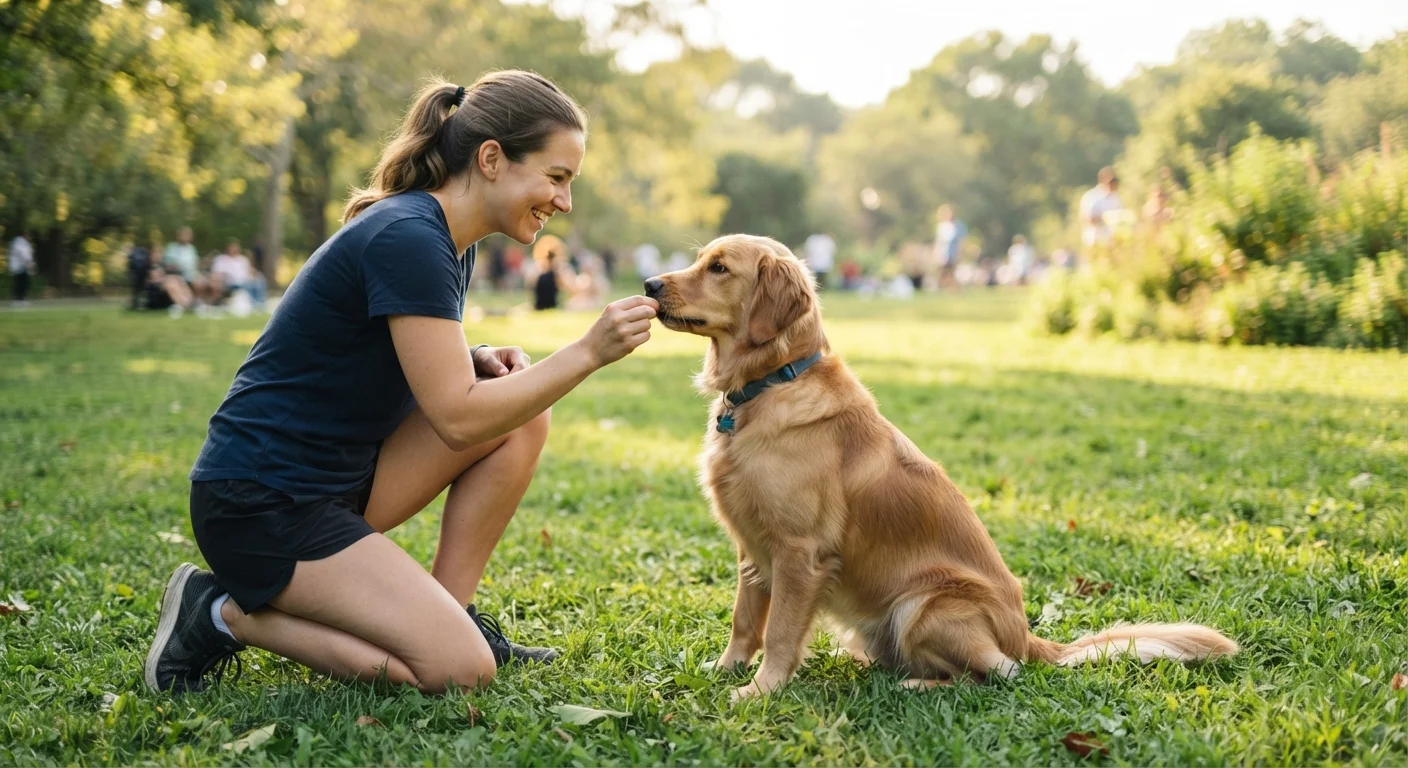
Photo credit: Infolagoon.com | Blogs To Rely On
In this article
Short, focused sessions produce better results than long, scattered ones. Use this checklist to set up the right conditions before you begin.
Key Takeaways
- A consistent pre-training routine helps your pet shift into a focused, receptive state faster.
- Short sessions of 5–15 minutes are generally more productive than extended ones for most pets.
- Your own mental state directly affects how clearly you communicate with your animal.
- The right environment — low distraction, adequate space — is as important as the techniques you use.
- Having rewards portioned and ready before you start prevents session interruptions that break momentum.
Why Preparation Matters Before You Begin
Most training problems don't start with a difficult animal — they start with an unprepared owner. Walking into a session without a clear plan, the right supplies, or an appropriate environment quietly undermines even sound technique. What you do in the two to five minutes before training begins sets the tone for everything that follows.
Research in animal learning consistently supports one principle: short, structured sessions with clear reinforcement are more effective than long, loosely organized ones. Whether you're working with a dog, cat, rabbit, or parrot, the fundamentals of preparation are similar. This checklist helps you build a reliable pre-session habit so your pet gets the clearest possible signal that focused work — and rewards — are about to happen.
If you've already noticed that your current approach isn't landing, see our guide to recognizing when your training isn't working for specific behavioral signals worth watching. And if you're weighing different training formats, our comparison of group classes vs. private instruction can help you choose the setting that fits your pet's needs.
Environment Setup
Rewards and Supplies
Your Pet's Readiness
Session Planning
Tools and Supplies to Have on Hand
Having the right materials ready before your session starts is non-negotiable. Fumbling for a treat pouch or swapping out a leash mid-session fragments your pet's attention and your own. Gather everything listed below and keep it in a dedicated training kit so setup becomes automatic.
Treat pouch or small bowl
Keeps rewards accessible and allows immediate, precise reinforcement without disrupting session flow.
High-value training treats
Provides the motivational currency that reinforces desired behavior — different from everyday food rewards.
Clicker or consistent verbal marker
Marks the exact moment of correct behavior so your pet understands precisely what earned the reward.
Leash and collar or harness
Used for positioning, safety, and gentle guidance during sessions where movement management is needed.
Training log or notebook
Records what was practiced and your pet's response, helping you spot patterns and adjust your approach over time.
Favorite toy
Serves as an alternative reward for pets who are more play-motivated than food-motivated on a given day.
Avoid Training Around Mealtimes Immediately
Training a pet that has just eaten a full meal typically results in low treat motivation and reduced engagement. Equally, an extremely hungry animal may be too agitated to focus. Aim for a session roughly an hour before a regular meal for optimal motivation without distress.
A Note on Your Own Readiness
Your pet reads your body language, energy level, and tone of voice — often more accurately than you realize. If you're rushed, frustrated, or distracted, that signal transfers. Before starting, take a genuine moment to assess whether you're in a state to train effectively. If you've had a stressful day and feel impatient, a two-minute session with a simple, already-mastered behavior is better than pushing through a new skill when your composure is thin.
This isn't about achieving perfect calm — it's about recognizing that your internal state is part of the training environment. Consistency in your demeanor across sessions helps your pet learn faster, because the cues you send stay predictable. Set a realistic goal for today's session before you begin, and end on a success rather than on frustration. That habit compounds over time in ways that a longer, shakier session simply cannot.
Never Train a Pet Showing Signs of Illness or Pain
A pet that is limping, lethargic, vomiting, or otherwise unwell should not be asked to perform or focus. Training in these conditions can increase stress, worsen symptoms, and damage your pet's positive association with sessions. If you notice signs of illness or injury, consult your veterinarian before resuming any training activities.

Author
Pets & Animals Editorial Team
Pets & Animals Editorial Team is the collective byline for our editorial team and contributor network. Articles published under this byline or an editorial pen name are researched, written, and reviewed according to our editorial standards for clarity, consistency, and independence before publication.
View all articles →