
Spaying vs. Neutering: What the Terms Mean and How the Procedures Differ
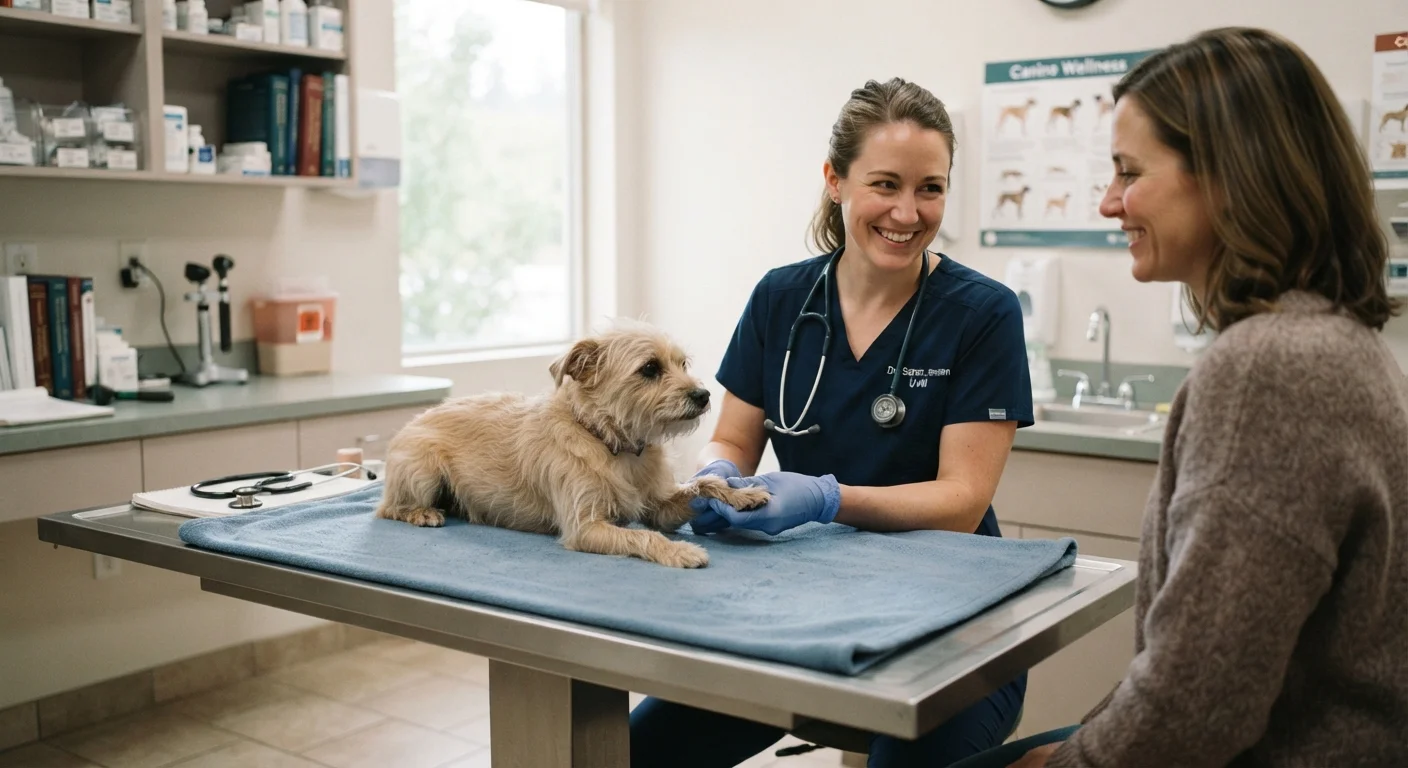
Photo credit: Infolagoon.com | Blogs To Rely On
In this article
A clear breakdown of spaying and neutering — what each procedure involves, how recovery compares, and the general health considerations for each.
Key Takeaways
- Spaying refers to the removal of a female animal's ovaries and usually the uterus; neutering removes a male animal's testes.
- Both procedures are performed under general anesthesia by a licensed veterinarian.
- Spaying is typically a more involved abdominal surgery with a longer recovery than neutering.
- Both procedures eliminate the ability to reproduce and reduce certain hormone-related health conditions.
- Recovery timelines and post-operative care instructions vary by animal size, age, and individual health.
- A veterinarian is the best resource for timing and suitability decisions for each individual pet.
Defining the Terms: Spaying and Neutering
The words "spaying" and "neutering" are both used to describe surgical sterilization in companion animals, but they refer to different procedures performed on animals of different sexes. Understanding what each term means removes confusion and helps pet owners have more informed conversations with their veterinarians.
Spaying is the surgical sterilization of a female animal. The most common technique is an ovariohysterectomy — the removal of both the ovaries and the uterus. Some veterinarians perform an ovariectomy, which removes only the ovaries. Both approaches render the animal unable to reproduce and eliminate the hormonal cycle driven by those organs.
Neutering refers to the sterilization of a male animal, most commonly through orchiectomy — the surgical removal of both testes. This eliminates the primary source of testosterone in male dogs and cats. The term "neutering" is sometimes used colloquially to refer to sterilization in general, but in precise veterinary language it applies specifically to males.
Both procedures are performed under general anesthesia in a veterinary clinic. They are among the most commonly performed surgeries in small animal veterinary medicine. If you are preparing to bring a new pet home, our guide for new pet owners covers what to expect in those early stages of care.
| Criterion | Spaying | Neutering |
|---|---|---|
| Applicable sex | Female animals | Male animals |
| Organs removed | Ovaries (and usually uterus) | Testes |
| Surgical location | Abdominal cavity | External scrotal area |
| Surgical complexity | More involved | Generally less invasive |
| Typical recovery time | 10–14+ days | Around 7 days |
| Eliminates heat cycles | Yes | Not applicable |
| Reduces roaming/marking | May reduce some behaviors | Often reduces these behaviors |
| Key health benefit | Prevents pyometra and ovarian disease | Prevents testicular disease |
How the Procedures Differ: Surgical Complexity and Recovery
While both surgeries achieve sterilization, they differ considerably in surgical approach and what recovery typically looks like.
Spaying involves entering the abdominal cavity. Because the ovaries and uterus are internal organs, the veterinarian makes an incision in the abdomen, locates the reproductive structures, ligates the blood vessels, and removes the tissue. This is a more complex surgery than neutering, and recovery generally takes longer — often 10 to 14 days for the incision site to close, though full internal healing takes longer. Activity restriction is important during this period to avoid complications such as incision opening or internal bleeding.
Neutering is an external procedure. The testes are located outside the abdominal cavity, so the surgery is typically less invasive. Incisions are smaller, operating time is shorter, and most male animals recover more quickly — many within a week, depending on their size and age. Post-operative care still requires limiting activity and monitoring the incision site for signs of swelling, discharge, or infection.
In both cases, pets are typically sent home the same day with pain management instructions and activity restrictions. Follow-up care, including keeping the incision clean and preventing the animal from licking the site (often managed with a protective collar), is essential to a smooth recovery.
~23M
Pets spayed or neutered annually in the U.S.
The American Veterinary Medical Association estimates tens of millions of sterilization procedures are performed each year across the United States.
Up to 25%
Reduced mammary tumor risk with early spaying
Some veterinary studies suggest spaying before the first heat cycle may be associated with a meaningfully lower risk of mammary tumors in dogs, though findings vary by breed.
Health Considerations and What the Research Suggests
The health implications of spaying and neutering have been studied extensively, though the full picture is nuanced and continues to evolve.
For female animals, spaying eliminates the risk of ovarian and uterine cancers and dramatically reduces the risk of pyometra — a serious, potentially fatal uterine infection. Spaying before the first heat cycle is associated in some studies with a reduced risk of mammary tumors, though this relationship varies by species and breed. On the other side of the equation, some research has explored associations between early spaying and certain orthopedic or hormonal conditions in specific large dog breeds; this is an area where veterinary guidance tailored to your individual pet is especially important.
For male animals, neutering eliminates the risk of testicular disease and may reduce the incidence of certain prostate conditions. Testosterone-driven behaviors — such as roaming, marking territory, and some forms of aggression — are often reduced after neutering, though behavioral outcomes vary by individual animal and should not be assumed as guaranteed.
Timing is a key variable. Recommendations on the optimal age to spay or neuter have shifted in recent years for some breeds, with growing discussion around allowing certain large-breed dogs to reach skeletal maturity before surgery. Your veterinarian is the right person to assess what timing makes sense for your pet's species, breed, and health status.
Timing Recommendations Are Evolving
For many years, spaying and neutering around six months of age was the standard recommendation. More recent veterinary research — particularly for large and giant dog breeds — has prompted discussion about waiting until skeletal maturity before surgery. This does not apply universally, and recommendations differ by species, breed, and individual health. Speak with your veterinarian about what timing is appropriate for your specific pet.
For peace of mind around surgical costs, it is worth understanding how pet insurance handles routine and elective procedures. Our overview of pet insurance trade-offs explains what policies typically do and do not cover.
This article is for general informational purposes only and does not constitute veterinary or medical advice. Always consult a licensed veterinarian for guidance specific to your pet's health, age, and individual needs.

Author
Pets & Animals Editorial Team
Pets & Animals Editorial Team is the collective byline for our editorial team and contributor network. Articles published under this byline or an editorial pen name are researched, written, and reviewed according to our editorial standards for clarity, consistency, and independence before publication.
View all articles →