
Credit Scores Explained: What the Number Actually Measures
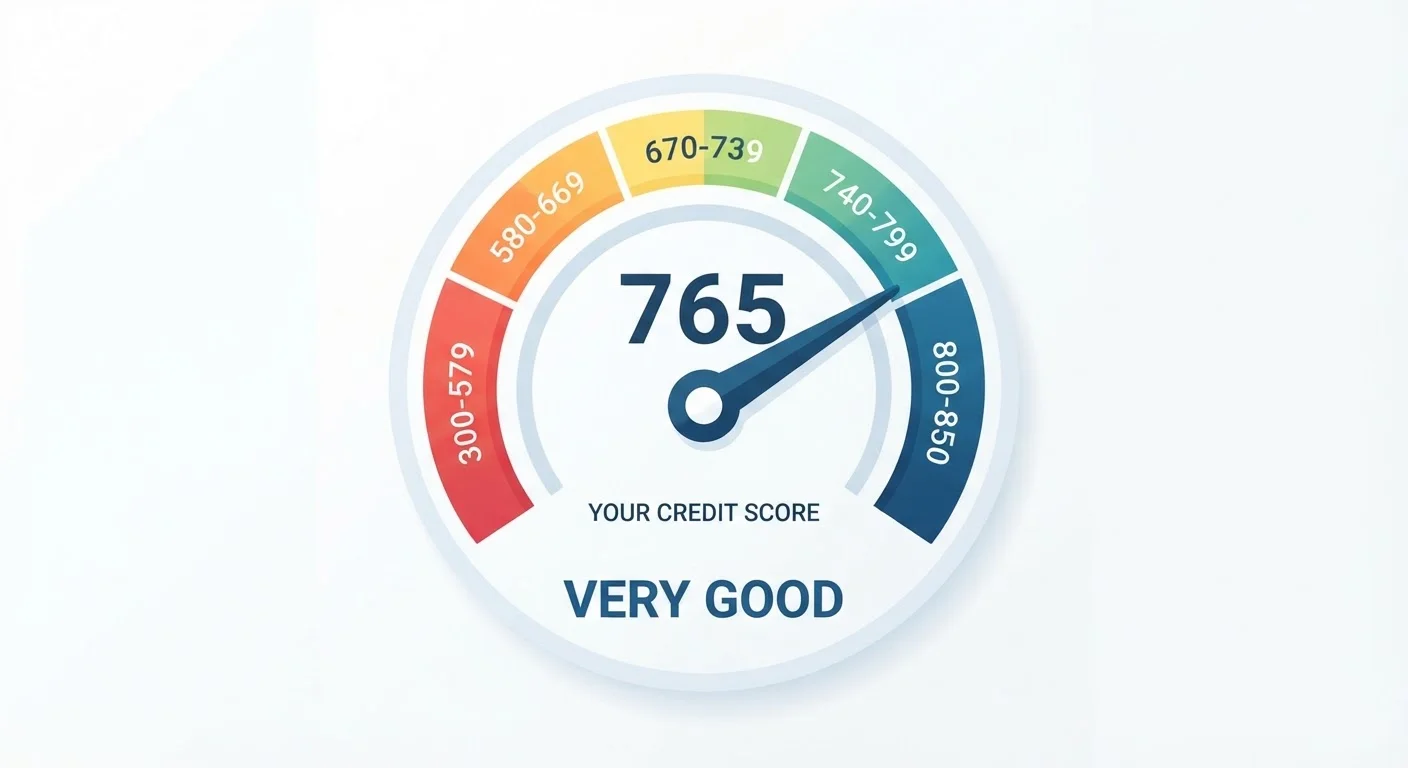
Photo credit: Infolagoon.com | Blogs To Rely On
In this article
Learn what a credit score really is, how it's calculated, and why different lenders may see different numbers for the same person.
Key Takeaways
- A credit score condenses your borrowing history into a single number between 300 and 850.
- Payment history is the single largest factor, typically accounting for about 35% of a FICO Score.
- Multiple scoring models exist, so different lenders may see slightly different numbers for the same person.
- Checking your own credit does not lower your score — only hard inquiries from lenders can.
- Your score can change month to month as new information is reported to credit bureaus.
Where the Number Comes From
A credit score isn't a judgment of your character or income — it's a mathematical output generated by a scoring model that reads the data in your credit report. The three major U.S. credit bureaus — Equifax, Experian, and TransUnion — each maintain a separate file on your credit activity. Scoring models analyze that file and produce a number.
The dominant model is the FICO® Score, developed by Fair Isaac Corporation. Under FICO's most widely cited formula, five factors drive your score:
- Payment history (~35%): Whether you pay on time, including any missed or late payments.
- Amounts owed (~30%): How much of your available credit you're currently using — also called credit utilization. See our deeper look at credit utilization for how this is calculated.
- Length of credit history (~15%): How long your accounts have been open and active.
- Credit mix (~10%): The variety of account types you hold, such as credit cards, installment loans, and mortgages.
- New credit (~10%): Recent applications for new credit, each of which generates a hard inquiry.
~35%
Weight of payment history in FICO Score
According to FICO's published scoring criteria, on-time payment history is the single largest factor in calculating a standard FICO Score.
49 million+
Americans estimated to be credit invisible
The Consumer Financial Protection Bureau has estimated that tens of millions of U.S. consumers lack sufficient credit history to generate a score.
VantageScore, a competing model developed jointly by the three bureaus, uses similar inputs but weights them differently. This is one reason the number you see on a free consumer tool may differ from what a lender pulls when you apply for a loan.
Why Different Lenders See Different Numbers
Many people are surprised to discover they don't have a single definitive credit score. In practice, you have many. The variation comes from three sources:
- Different bureaus, different data: Not all creditors report to all three bureaus, so each bureau's file on you may differ slightly.
- Different models: A mortgage lender might use FICO Score 2, while an auto lender uses FICO Auto Score 8 — versions optimized for specific lending categories.
- Timing: Scores are snapshots; if a balance is reported before you pay it down, the score will reflect the higher balance.
Score Versions Matter More Than You Might Think
FICO alone has released over 50 distinct scoring model versions, and lenders are not required to use the most current one. A mortgage lender may still use older FICO versions (such as FICO Score 2, 4, or 5) because those are embedded in their underwriting systems. When you're preparing for a major credit application, it may be worth asking a lender which model they use — though many won't disclose this in advance.
Understanding how the bureaus build your file is essential context. Our guide on reading your credit report for the first time walks through how to obtain your free reports and what to examine in each section.
What Your Score Actually Signals to a Lender
Lenders use credit scores to make faster, more consistent underwriting decisions. A higher score generally signals lower default risk, which can translate to lower interest rates or higher credit limits. A lower score may result in higher rates, stricter terms, or a declined application — though lenders weigh many factors beyond the score alone, including income and existing debt obligations.
It's equally important to understand what a credit score does not measure. It says nothing about your net worth, income, savings rate, or overall financial health. For a full breakdown of factors that are commonly misunderstood, see our article on things that don't affect your credit score.
If some of the terminology used in your credit report is unfamiliar, our plain-language guide to credit report terms can help decode common phrases like charge-off, utilization ratio, and derogatory mark.
Review Your Credit Report Annually
You're entitled to a free credit report from each of the three major bureaus through AnnualCreditReport.com, the federally authorized source. Reviewing your report regularly lets you spot errors, unfamiliar accounts, or outdated negative items — all of which can affect your score. Disputing inaccuracies with the bureau is a straightforward process and costs nothing.
This article is for general informational purposes only and does not constitute personalized financial or legal advice. Consult a qualified financial professional for guidance specific to your situation.
Frequently Asked Questions

Author
Money & Finance Editorial Team
Money & Finance Editorial Team is the collective byline for our editorial team and contributor network. Articles published under this byline or an editorial pen name are researched, written, and reviewed according to our editorial standards for clarity, consistency, and independence before publication.
View all articles →