
Tracking Your Spending: The Step Most People Skip
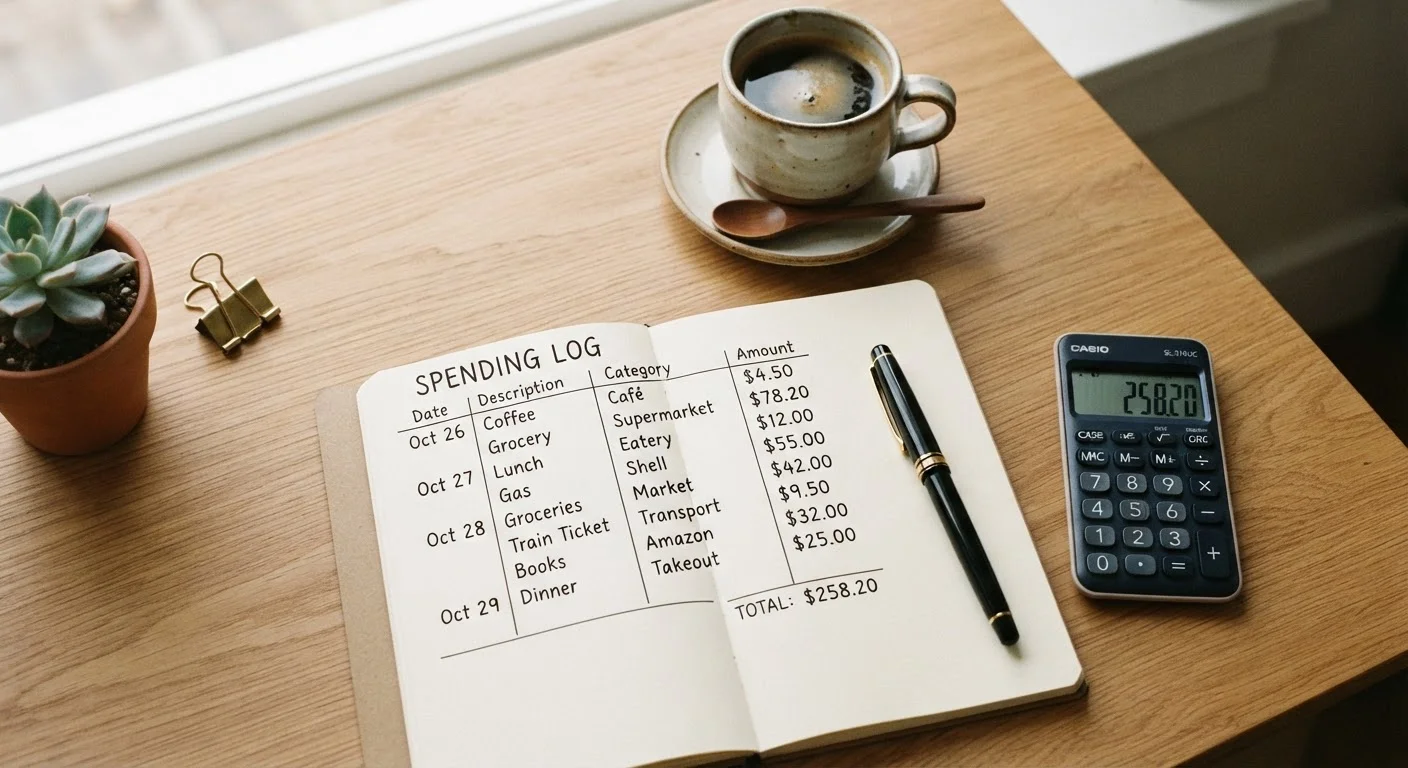
Photo credit: Infolagoon.com | Blogs To Rely On
In this article
Before you can budget, you need to know where your money actually goes. A practical guide to recording and reviewing your spending habits.
Key Takeaways
- Most budgets fail because people skip the foundational step of tracking actual spending.
- Tracking for at least 30 days gives you a realistic picture of where your money goes.
- You don't need special software — a notebook or spreadsheet works just as well.
- Categorizing expenses reveals patterns that feelings and memory alone cannot show.
- Regular weekly reviews turn raw data into actionable financial decisions.
Why Tracking Comes Before Budgeting
Most people approach budgeting by deciding how much they want to spend in each category. But without knowing how much they currently spend, those targets are guesswork — and guesswork rarely sticks. Tracking your spending is the diagnostic step that makes everything else in personal finance more accurate and more achievable.
Think of it this way: a doctor doesn't prescribe treatment before running tests. Similarly, a realistic budget requires real data. Spending habits are deeply shaped by routine, emotion, and small decisions that add up invisibly. Memory consistently underestimates what we spend — particularly on everyday purchases like coffee, takeout, or subscription services.
This article is part of a broader guide on personal finance fundamentals. For the full picture, see our complete budgeting breakdown.
What you will need
What You'll Need to Get Started
The good news: spending tracking requires almost no setup. Before you begin, gather the basics listed below, then move into the step-by-step process.
Bank and credit card statements
Provide a complete, searchable record of all electronic transactions for the tracking period.
Notebook or paper ledger
Allows manual, real-time logging of every purchase including cash transactions.
Spreadsheet (e.g., Google Sheets or Excel)
Enables you to total, sort, and categorize spending with basic formulas.
Budgeting or expense-tracking app
Automates transaction imports and category tagging, reducing manual data entry.
Envelope or folder for receipts
Collects paper receipts so cash purchases aren't forgotten before logging.
One important note — consistency matters more than the tool you choose. A simple notebook used daily outperforms a sophisticated app opened once a week.
Consistency Beats Perfection
If you miss logging a purchase, estimate it and keep going. An imperfect 30-day record is far more useful than a perfect 10-day record you abandoned. The value of this exercise comes from the full picture, not from flawless bookkeeping.
Step-by-Step: How to Track Your Spending
Choose your tracking method and set it up
Select one method and commit to it for at least 30 days. Options include a paper notebook, a spreadsheet with columns for date, merchant, amount, and category, or a budgeting app that connects to your accounts. Set up your chosen system before you start — blank columns, a fresh notebook page, or a linked account — so there's no friction when the first purchase happens.
Log every transaction as it happens
Record each purchase at the time of the transaction or within a few hours. Include the date, where you spent, how much, and how you paid. Don't filter out small amounts — a $3 coffee recorded daily becomes $90 in a month and $1,000-plus in a year. The goal is completeness, not judgment.
Pull in past transactions from your statements
Supplement your real-time logging by downloading the last 30 days of statements from each bank account and credit card. This catches any transactions you may have missed and provides a complete baseline. Export as a spreadsheet file if possible, or review each statement line by line and add entries to your tracker.
Assign a category to each expense
Once transactions are logged, label each one with a category: housing, groceries, transportation, dining out, subscriptions, healthcare, personal care, and so on. Use broad categories at first — you can always subdivide later. The point is to group spending so patterns become visible. Don't agonize over edge cases; pick the closest category and move on.
Total each category at the end of the week
At the end of each week, add up the amounts in each category. Weekly subtotals are more manageable than waiting until month-end, and they give you an early signal if any category is running unusually high. Note the totals somewhere visible — a sticky note on your desk or a pinned tab in your spreadsheet works fine.
Review and reflect after 30 days
At the end of the month, total each category across all four weeks. Look for surprises: categories where you spent more than expected, areas where spending aligned with your priorities, and patterns you hadn't noticed before. Write down two or three observations. This reflection is what transforms raw numbers into actionable knowledge — and it becomes the foundation for any budget you build next.
Once you've completed at least 30 days of tracking, you'll be ready to move into the next phase. Our guide to spending categories every budget should include will help you organize what you've recorded into a structure you can actually work with.
Common Pitfalls and How to Avoid Them
Even motivated trackers hit stumbling blocks. Here are the most common ones and how to work around them.
- Forgetting cash transactions: Cash purchases disappear from memory fast. Snap a quick photo of any receipt or jot the amount in a notes app immediately after spending.
- Giving up after a missed day: One skipped day doesn't ruin the exercise. Estimate what you can and keep going. Partial data is still useful data.
- Tracking income but not spending: Knowing what comes in without knowing what goes out leaves the most important variable unmeasured.
- Stopping too soon: A single week may not capture irregular expenses like annual subscriptions, quarterly bills, or seasonal spending. Commit to a full month minimum.
Don't Use Tracking as a Shaming Exercise
The purpose of tracking is awareness, not guilt. If you discover you spent more than expected on dining out or entertainment, treat that as information — not a character flaw. Financial behavior changes more durably through understanding than through self-criticism.
If your tracking reveals that debt payments are consuming a significant portion of your income, that's a signal worth acting on. The Debt & Credit hub offers straightforward guidance on managing what you owe.
This article is for general informational and educational purposes only and does not constitute personalized financial advice. For guidance specific to your situation, consider consulting a qualified financial professional.

Author
Money & Finance Editorial Team
Money & Finance Editorial Team is the collective byline for our editorial team and contributor network. Articles published under this byline or an editorial pen name are researched, written, and reviewed according to our editorial standards for clarity, consistency, and independence before publication.
View all articles →