
Fixed vs. Variable Expenses: Knowing the Difference Changes How You Budget
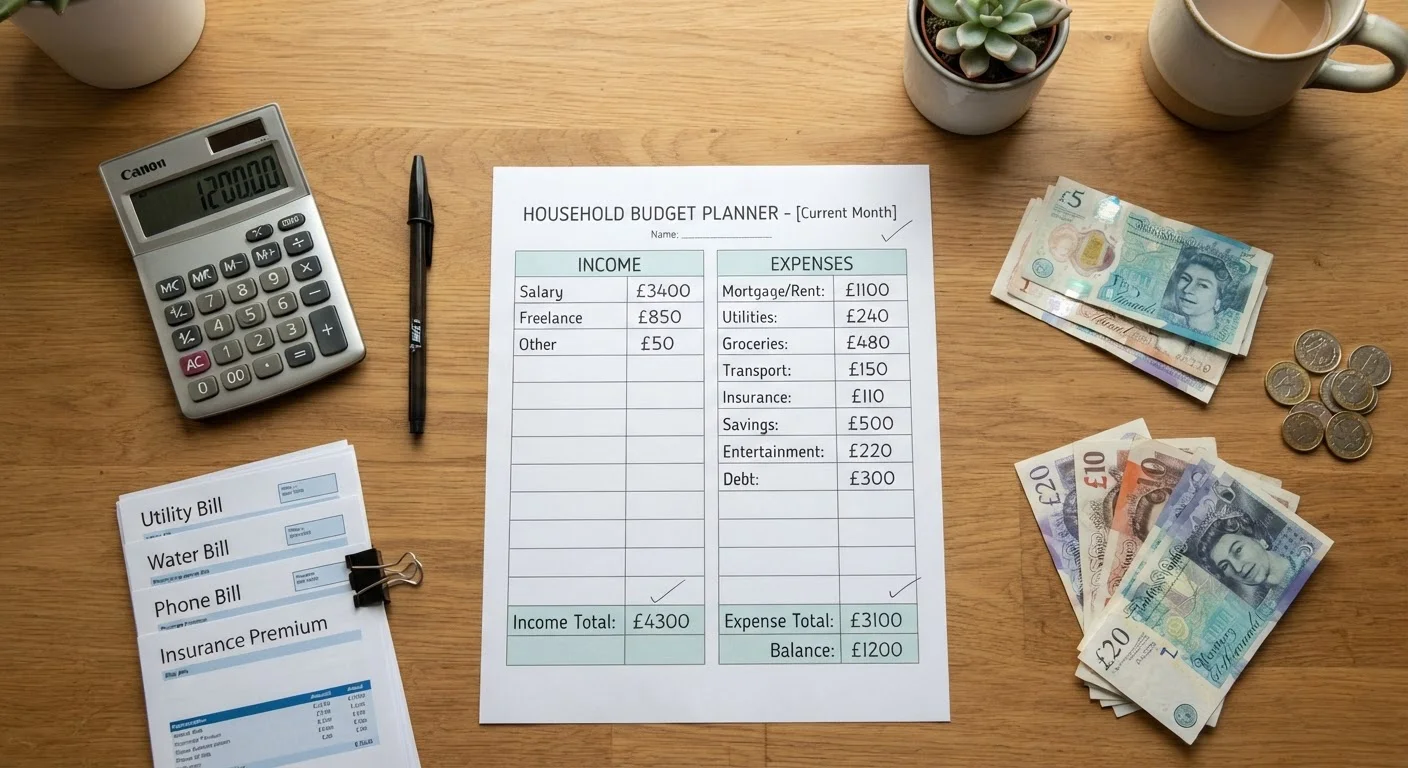
Photo credit: Infolagoon.com | Blogs To Rely On
Fixed and variable expenses behave differently in a budget. Understanding each category helps you find real room to adjust your spending.
Key Takeaways
- Fixed expenses stay the same each month and are generally harder to reduce quickly.
- Variable expenses fluctuate and are usually where most budget adjustments are possible.
- Separating these two categories lets you identify your true financial floor each month.
- Some expenses are semi-fixed — they can change, but not on a month-to-month basis.
- Building a budget requires knowing your fixed costs before allocating anything else.
What Makes an Expense Fixed or Variable
Every dollar you spend falls into one of two fundamental categories: fixed or variable. The distinction is simple but consequential for how you plan, adjust, and save.
Fixed expenses are costs that remain the same amount each billing cycle — regardless of how much or how little you use a service. Your rent or mortgage payment is the clearest example. Whether you were home every day or traveling for half the month, the payment doesn't change. Other common fixed expenses include car loan payments, insurance premiums, and minimum debt payments.
Variable expenses change from month to month based on usage, behavior, or circumstance. Groceries, gas, utilities, dining out, and entertainment all fall into this category. You have meaningful control over these — spending more in some months, less in others.
A useful third category worth noting: semi-fixed expenses (sometimes called periodic expenses). These are costs that are stable for stretches of time but can be renegotiated or restructured — internet service, cell phone plans, or insurance coverage. They behave like fixed costs day-to-day, but aren't permanent. For more context on how these categories map to a complete spending plan, see spending categories every monthly budget should account for.
| Criterion | Fixed Expenses | Variable Expenses |
|---|---|---|
| Amount each month | Stays the same | Changes month to month |
| Examples | Rent, car loan, insurance | Groceries, gas, dining, utilities |
| Short-term flexibility | Low — hard to change quickly | High — can adjust immediately |
| Budget planning role | Sets your minimum monthly floor | Where adjustments happen |
| Impact of income drop | Still owed in full | Can be reduced to compensate |
| Savings strategy use | Auto-transfers mimic fixed costs | Variable savings are easy to skip |
Why the Distinction Matters in Practice
When you know which expenses are fixed, you can calculate your financial floor — the minimum amount of income you need every month just to keep existing commitments. This number is essential before allocating anything toward savings or discretionary spending.
~60–70%
Income typically consumed by fixed costs
General personal finance guidance suggests fixed obligations often account for the majority of take-home pay for many American households, underscoring the importance of tracking them first.
1 in 3
Americans without a monthly budget
Surveys by the National Foundation for Credit Counseling have found that a significant share of U.S. adults do not follow a formal monthly budget, often because expense categories feel unclear.
Variable expenses, by contrast, represent your real room to maneuver. If your income drops unexpectedly — or you want to accelerate saving toward a goal — it's the variable category where changes actually stick in the short term. You can't call your landlord and reduce rent next month; you can decide to cook at home more often. If your income tends to fluctuate, understanding this distinction becomes even more critical. The guide to budgeting around an irregular income explains how to set spending floors and variable spending ranges when your paycheck isn't predictable.
This knowledge also supports smarter goal-setting. Many financial planners suggest treating savings contributions as a fixed expense — scheduling an automatic transfer on payday so the money moves before discretionary spending begins. This converts a variable behavior into a fixed commitment, reinforcing consistency.
Once you have a clear picture of both expense types, you're ready to explore different systems for putting that structure into action. The comparison of budgeting methods walks through how different frameworks — from percentage-based to zero-based — handle fixed and variable costs differently. And if you want a deeper look at how two specific systems work, zero-based budgeting vs. the envelope method shows how each handles allocation in practice.
Whether you're just starting a budget or refining one, this foundational framework — knowing what you owe no matter what versus what you can adjust — is the backbone of every effective spending plan. For a comprehensive walkthrough of the entire budgeting process, the complete personal budgeting breakdown covers every stage from income tracking to adjusting as life changes.
This article is for general informational and educational purposes only. It does not constitute personalized financial advice. Readers should consult a qualified financial professional regarding their individual circumstances.

Author
Money & Finance Editorial Team
Money & Finance Editorial Team is the collective byline for our editorial team and contributor network. Articles published under this byline or an editorial pen name are researched, written, and reviewed according to our editorial standards for clarity, consistency, and independence before publication.
View all articles →