
Sentimental Clutter: How to Decide What to Keep Without Guilt
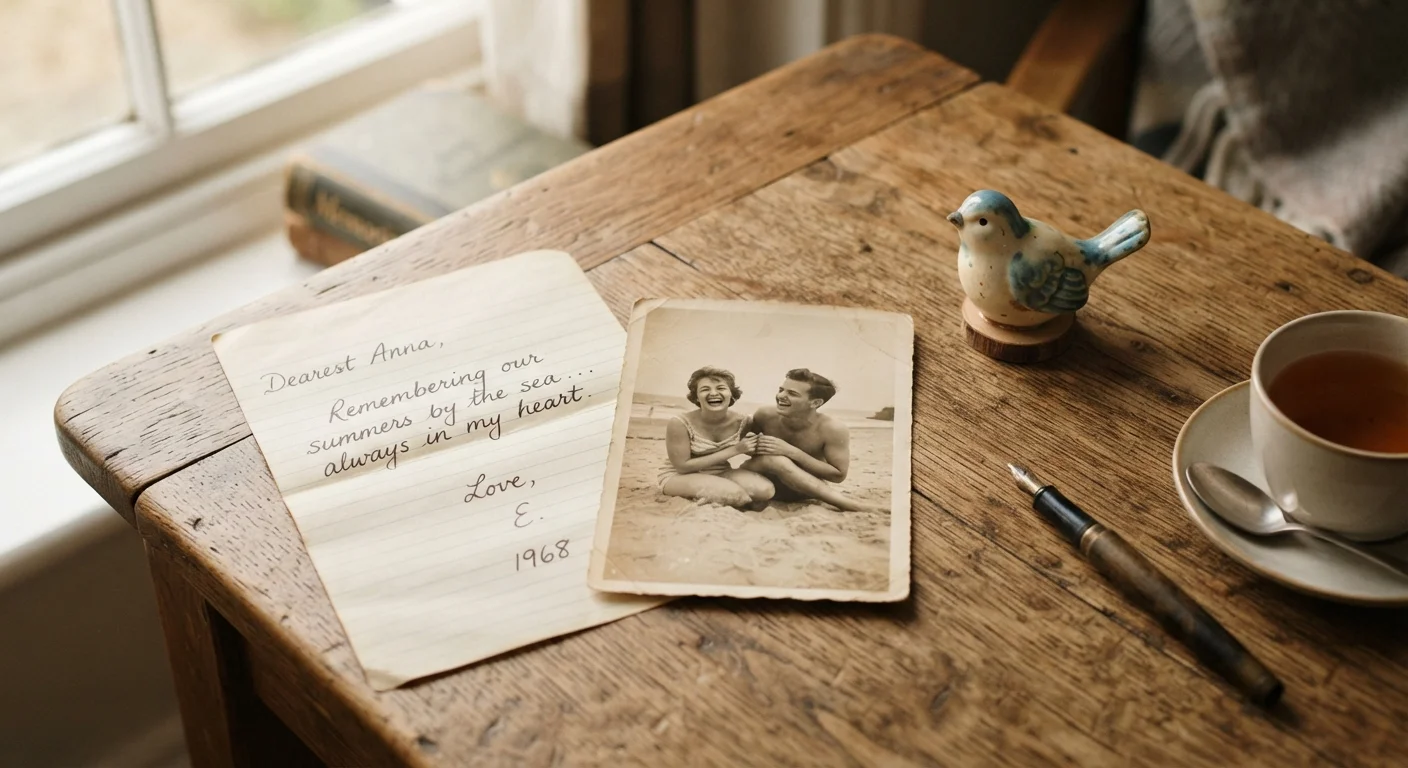
Photo credit: Infolagoon.com | Blogs To Rely On
In this article
Holding onto too many meaningful objects is one of the hardest decluttering challenges. Learn thoughtful frameworks for working through it.
Key Takeaways
- Keeping an object and honoring a memory are not the same thing.
- Guilt is a common but unreliable guide when deciding what to release.
- A structured decision framework helps remove the paralysis from sentimental sorting.
- Digitizing, gifting, or repurposing objects can offer meaningful alternatives to keeping or discarding.
- A small, intentional collection of meaningful items is easier to appreciate than a large, unmanaged one.
Why Sentimental Clutter Is Different
Most decluttering advice follows a clean logic: if you haven't used it in a year, let it go. That rule collapses almost immediately when you open a box of your grandmother's letters or a drawer full of your child's early drawings. Sentimental clutter operates on a different emotional frequency, and that's why it deserves its own framework.
The difficulty isn't carelessness or indecision. It's that these objects carry real emotional weight — they represent relationships, milestones, and versions of yourself or loved ones that no longer exist in the same form. Understanding that makes the sorting process feel less like a personality flaw and more like a legitimate challenge worth addressing thoughtfully.
Physical clutter affects mood and focus in measurable ways — and sentimental clutter, because it often goes untouched for years, can quietly accumulate into some of the densest pockets of disorder in a home.
When Clutter Becomes Something More
For most people, sentimental clutter is a normal part of managing a home. But when difficulty discarding items causes significant distress, interferes with daily functioning, or results in unsafe living conditions, it may signal hoarding disorder — a recognized mental health condition. In those situations, working with a licensed mental health professional is the appropriate first step, not a decluttering guide.
A Decision Framework That Actually Works
When you pick up a sentimental object, run it through these questions in order:
- Does this item serve a current purpose in my life? Display, use, or active meaning all count. Storage-only does not.
- Would I seek this out if I didn't already own it? If the honest answer is no, the attachment may be more about obligation than genuine connection.
- Is the memory in the object — or in me? Most memories live in you. The object is a trigger, not the memory itself.
- Could a photo or written record preserve the meaning just as well? For three-dimensional items with no practical use, a high-quality photo and a few written sentences often serve the same emotional function with far less physical space.
This process won't make every decision easy, but it moves you from vague guilt to specific reasoning. If journaling helps you process the emotions that surface, writing through feelings can be a useful companion practice.
Start With One Small Category
Instead of tackling an entire room of sentimental objects at once, begin with a single, bounded category — greeting cards, for example, or one shelf of childhood mementos. Completing a small sort builds confidence and gives you a practical sense of how your decision framework feels in action before scaling up.
Alternatives to Keeping or Discarding
The binary of keep-or-toss is one reason sentimental sorting stalls. In practice, there are several middle paths worth considering:
- Digitize it. Photographs, letters, children's artwork, and even three-dimensional objects can be professionally scanned or photographed. Services that digitize physical media are widely available, and the resulting archive takes up no shelf space.
- Pass it on intentionally. If an heirloom would genuinely be treasured by a family member, cousin, or close friend, giving it directly — with its story attached — is a meaningful outcome for everyone.
- Repurpose it. A worn quilt that's too fragile to use might become a framed textile piece. Costume jewelry from a relative can be incorporated into new pieces. The object changes form, but the connection remains.
- Create a dedicated memory box. Rather than keeping items spread across every drawer and closet, consolidate your most meaningful objects into a single, intentional container. When it's full, that signals that something must leave before something new enters.
If you're doing a broader home organization effort, a room-by-room decluttering approach can help you locate where sentimental clutter tends to concentrate in your specific space.
80%
Of clutter is caused by disorganization, not lack of space
According to organizational research cited frequently in home design literature, the majority of clutter issues stem from sorting and decision-making gaps rather than insufficient storage.
1 in 4
Americans describe their home as cluttered
Survey data from home organization studies has consistently shown that a significant share of U.S. households identify clutter as a meaningful source of daily stress.
Working Through Guilt and Obligation
Guilt is the most common emotion people report when releasing sentimental objects — and it's worth examining closely, because guilt is often doing something other than what it appears to be. In most cases, it signals a fear: fear of forgetting, fear of disrespecting the giver, or fear of losing a connection to a past self.
Naming the specific fear often deflates it. You can honor a person without keeping every object associated with them. Releasing a gift doesn't mean the relationship didn't matter. A childhood room filled to capacity doesn't preserve childhood more than a single, carefully chosen keepsake does.
The concept of setting boundaries without guilt applies here in a practical sense: you're allowed to decide what you carry forward, and that decision is yours to make — not an inherited obligation.
If your home has accumulated significant sentimental clutter over many years, a seasonal decluttering cadence can break the process into manageable intervals rather than one overwhelming session.
Frequently Asked Questions

Author
Home & Living Editorial Team
Home & Living Editorial Team is the collective byline for our editorial team and contributor network. Articles published under this byline or an editorial pen name are researched, written, and reviewed according to our editorial standards for clarity, consistency, and independence before publication.
View all articles →