
Interior Paint Finishes: Matte, Eggshell, Satin, and Gloss Compared
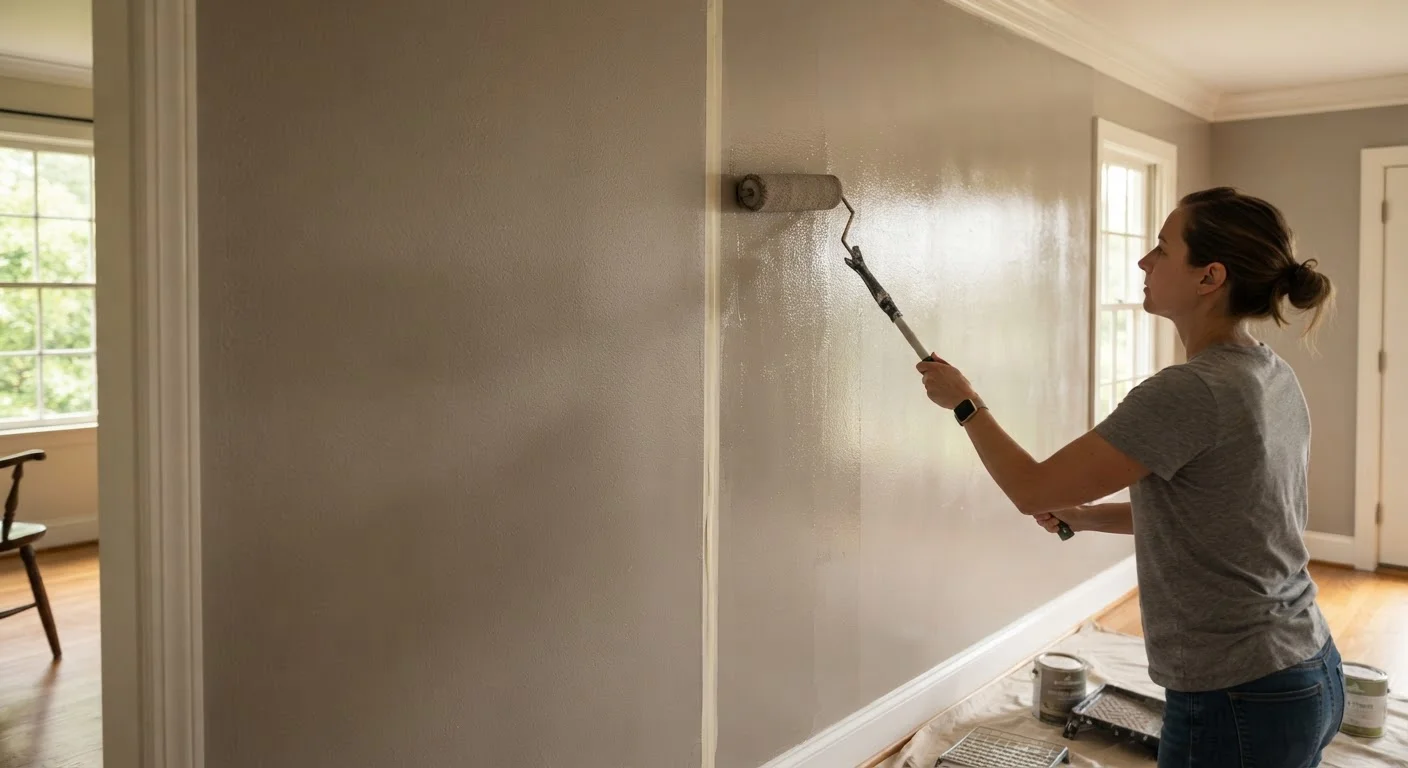
Photo credit: Infolagoon.com | Blogs To Rely On
In this article
Not all paint finishes work in every room. Here's how matte, eggshell, satin, and gloss differ in durability, sheen, and ideal application.
Key Takeaways
- Matte finish hides wall imperfections well but is harder to clean and best for low-traffic areas.
- Eggshell offers a subtle sheen with better washability, making it a versatile choice for living spaces.
- Satin is durable and moisture-resistant, ideal for kitchens, bathrooms, and hallways.
- Gloss and semi-gloss finishes are the most durable and easiest to clean, suited for trim and cabinetry.
- Matching finish to room function — not just color — is the key to a long-lasting paint job.
Why Paint Finish Matters as Much as Color
Most homeowners spend considerable time selecting the perfect paint color, then choose a finish almost as an afterthought. That's a mistake that can lead to premature scuffing, hard-to-clean walls, or a sheen that looks out of place in the room. Paint finish — also called sheen level — determines how light reflects off the surface, how easy it is to wipe clean, and how long the paint job holds up under everyday use.
There are four primary interior finish levels worth understanding: matte, eggshell, satin, and gloss (which includes semi-gloss). Each sits on a spectrum from flat and light-absorbing to highly reflective and durable. The right choice depends on the room's function, how much traffic it gets, and the condition of the walls themselves.
Finish by Finish: What Each One Does
Matte (Flat) has no measurable sheen. It absorbs light rather than reflecting it, which creates a soft, uniform look and — importantly — disguises surface flaws like small dings, uneven texture, or old patching. That's why it's commonly used in formal dining rooms, adult bedrooms, and ceilings. The trade-off is cleanability: matte paint tends to scuff and mark more easily, and aggressive scrubbing can leave shiny patches.
Eggshell sits just above matte on the sheen scale. The name reflects its appearance — a very low, soft luster similar to the surface of an eggshell. It's significantly more washable than flat paint while still hiding minor imperfections well. Most interior designers and painting contractors recommend eggshell as the default for living rooms and adult bedrooms because it balances practicality with a clean, understated look.
Satin has a noticeable sheen that becomes more apparent as light hits the surface from different angles. It's more resistant to moisture and easier to wipe clean than eggshell, which makes it a natural fit for kitchens, bathrooms, laundry rooms, hallways, and children's bedrooms. Keep in mind that satin's reflectivity also means it will highlight imperfections in the wall surface more than matte or eggshell.
Semi-Gloss and Gloss are the most durable and most reflective finishes available for interior use. They're exceptionally easy to wipe down and hold up well against humidity, grease, and repeated contact. These finishes are typically reserved for trim, baseboards, doors, window frames, and kitchen or bathroom cabinets — surfaces that need to withstand regular handling. Full gloss on large wall surfaces tends to look industrial rather than residential.
| Matte | Eggshell | Satin | Semi-Gloss / Gloss | |
|---|---|---|---|---|
| Sheen Level | None / flat | Very low | Moderate | High / very high |
| Hides Imperfections | Excellent | Good | Fair | Poor |
| Washability | Low | Moderate | Good | Excellent |
| Moisture Resistance | Poor | Low | Good | Excellent |
| Best Rooms | Bedrooms, ceilings | Living rooms, bedrooms | Kitchens, bathrooms, hallways | Trim, doors, cabinets |
| Typical Durability | Lower | Moderate | Good | High |
Common Mistakes to Avoid
Don't Skip Wall Prep for Glossier Finishes
Higher-sheen finishes amplify every surface flaw — old screw holes, seams, and uneven patches become far more visible once the paint dries. Before applying satin or semi-gloss to walls, fill imperfections with spackling compound, sand smooth, and prime the repaired areas. Skipping this step will require repainting sooner than expected.
One of the most frequent errors homeowners make is using the same finish throughout an entire house for the sake of simplicity. While that approach is convenient, a hallway and a bedroom have very different needs. Applying matte paint in a kitchen, for example, can result in walls that absorb cooking grease and become nearly impossible to clean over time.
Another common issue is applying a high-sheen finish to a wall with visible imperfections. Gloss and satin finishes act almost like a spotlight on bumps, seams, and patches. If your walls have texture irregularities, extra prep work — including skim-coating and sanding — is necessary before applying anything shinier than eggshell.
Finally, note that different paint brands use slightly different terminology for sheen levels. One manufacturer's "satin" may be nearly identical to another's "low-lustre" or "pearl." Always check the sheen percentage listed on the paint can or product spec sheet rather than relying on the name alone.
Quick Finish-to-Room Matching Guide
Test Before You Commit
Before painting an entire room, purchase sample pots in your chosen color across two or three sheen levels and apply them to large cardboard sheets. Hold them against the wall at different times of day to observe how the sheen behaves in natural and artificial light. What looks great in a store's fluorescent lighting may read very differently in your home.
Use this straightforward framework when making your selection:
- Ceilings: Flat or matte — always. Ceilings rarely need cleaning and a reflective ceiling finish will make the space feel harsh.
- Bedrooms and formal living rooms: Matte or eggshell, depending on how much washability you need.
- Family rooms and open-plan living areas: Eggshell to satin, since these spaces see more regular activity.
- Kitchens and bathrooms: Satin or semi-gloss to handle moisture and cleaning.
- Trim, doors, baseboards, and cabinets: Semi-gloss or gloss for durability and a crisp, finished look.
If you're unsure, eggshell is generally a safe middle-ground choice for most main living areas, and semi-gloss is the go-to standard for trim in nearly any room.

Author
Home & Living Editorial Team
Home & Living Editorial Team is the collective byline for our editorial team and contributor network. Articles published under this byline or an editorial pen name are researched, written, and reviewed according to our editorial standards for clarity, consistency, and independence before publication.
View all articles →