
The Stress Response Your Body Runs Without Your Permission
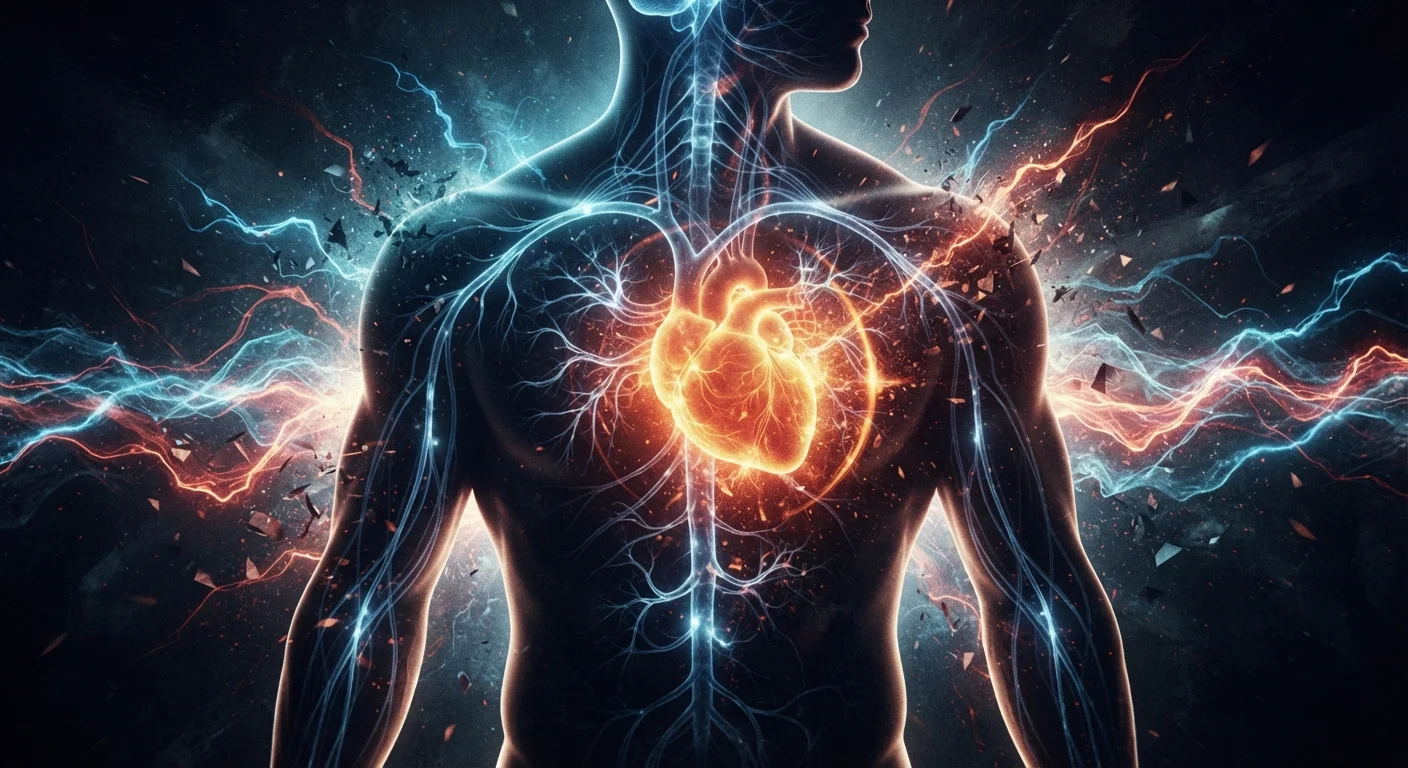
Photo credit: Infolagoon.com | Blogs To Rely On
In this article
From cortisol spikes to muscle tension, here's what's actually happening in your body when stress hits — and why knowing it helps you respond better.
Key Takeaways
- Your stress response activates automatically before you consciously recognize a threat.
- Cortisol and adrenaline are the primary hormones driving physical stress symptoms.
- Short-term stress is normal; chronic activation is what strains long-term health.
- Recognizing your own stress signals is the first step toward managing them more effectively.
- Slow, deliberate breathing is one of the few tools that directly dials down the stress response.
What Triggers the Alarm System
Your brain doesn't distinguish between a charging bear and an overdue bill as well as you might hope. The amygdala - the brain's threat-detection center - flags incoming information before your rational mind has even processed it. If something reads as a threat, it fires off a signal to the hypothalamus, which acts like a command center, wiring the rest of your body for action.
This is why your pulse quickens before you've consciously registered that you're stressed. The system is fast on purpose. In environments where physical danger was common, speed of response was survival.
Your Perception Shapes the Response
Research suggests that how you appraise a stressor - as threatening versus challenging - can influence the intensity of your physiological response. This doesn't mean you can simply think stress away, but it does mean that developing a more accurate mental model of stress can have measurable physical benefits over time.
Modern stressors - deadlines, conflict, financial pressure - aren't physically dangerous, but your nervous system processes them through the same ancient circuitry. That mismatch is central to understanding why chronic stress feels so exhausting.
The Hormonal Chain Reaction
Once the alarm fires, your adrenal glands release two key hormones: adrenaline (epinephrine) and cortisol. Adrenaline acts fast - within seconds - raising heart rate, dilating airways, and redirecting blood toward your muscles. Cortisol follows slightly slower and stays in the system longer, sustaining energy and keeping you alert.
77%
Americans reporting physical stress symptoms
According to the American Psychological Association's annual Stress in America survey, a large majority of U.S. adults regularly experience physical symptoms they attribute to stress.
~20 min
Time for acute cortisol spike to begin declining
Research on HPA axis activity suggests cortisol levels typically begin to fall within 20-60 minutes after an acute stressor resolves, assuming no new threat is perceived.
Together, these hormones temporarily suppress functions your body considers non-urgent during a threat: digestion slows, immune activity shifts, reproductive hormones dial back. That's efficient when the threat is brief. When stress becomes chronic, that sustained suppression is where longer-term health effects can emerge - though individual experiences vary significantly and a healthcare provider can help you assess your own situation.
What You Feel in Your Body
Physical symptoms of the stress response aren't imaginary - they're measurable biological events. Common ones include:
- Muscle tension: Your body braces, particularly in the shoulders, jaw, and neck.
- Faster, shallower breathing: Airway muscles relax to move more air quickly.
- Digestive discomfort: Digestion slows or becomes irregular as blood flow is redirected.
- Heightened senses: Pupils dilate; you may feel hyperaware or on edge.
- Difficulty concentrating: Your brain is scanning for threat, not optimizing for complex tasks.
These aren't symptoms of weakness - they're signs of a system working exactly as designed. If you've been wondering whether persistent stress could be contributing to what you're feeling physically, this guide on when stress becomes burnout may offer useful context.
Try the Physiological Sigh
A double inhale through the nose followed by a long exhale through the mouth has been studied as a rapid way to activate the parasympathetic nervous system. Even one or two cycles can take the edge off an acute stress spike. It works because the extended exhale slows heart rate directly via the vagus nerve.
Why Awareness Is a Practical Tool
Knowing the mechanics of your stress response isn't just academic - it changes how you relate to it. When you recognize a racing heart or tight chest as the stress response activating rather than something catastrophically wrong, you can respond rather than react.
Slow, diaphragmatic breathing is one of the few voluntary actions shown to directly activate the parasympathetic nervous system - the counterpart to the stress response that signals safety and rest. You can't will your cortisol down, but you can create the physiological conditions that help it fall naturally.
For a quick, structured way to gauge where you are right now, the mental wellness check-in takes under ten minutes and covers mood, sleep, and stress together. And if you're thinking about the longer arc, evidence-informed approaches to managing stress over time go well beyond short-term coping.
This article is for general informational purposes only and does not constitute medical advice. If you are experiencing persistent physical or emotional symptoms, please consult a qualified healthcare professional.
Frequently Asked Questions

Author
Health & Wellness Editorial Team
Health & Wellness Editorial Team is the collective byline for our editorial team and contributor network. Articles published under this byline or an editorial pen name are researched, written, and reviewed according to our editorial standards for clarity, consistency, and independence before publication.
View all articles →