
Breathing Exercises: A Plain-Language Guide to What Works and Why
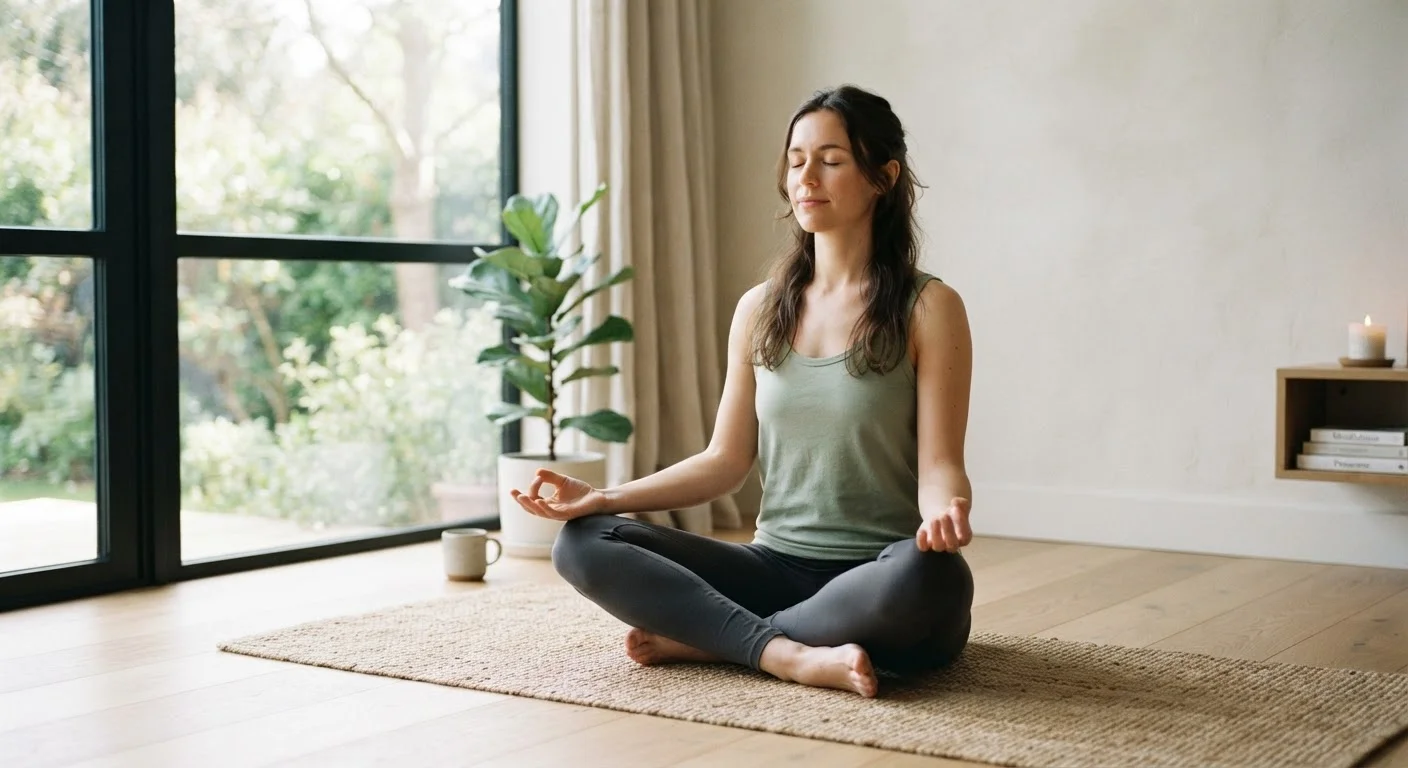
Photo credit: Infolagoon.com | Blogs To Rely On
In this article
Box breathing, 4-7-8, diaphragmatic — this guide explains how different breathing techniques work and when each one is most useful.
Key Takeaways
- Slow, controlled breathing activates the parasympathetic nervous system, reducing the body's stress response.
- Different techniques serve different purposes - some calm anxiety, others improve focus or aid sleep.
- Diaphragmatic breathing is the foundational skill underpinning most other techniques.
- Breathing exercises are generally safe but people with respiratory conditions should consult a doctor first.
- Consistency matters more than duration - even a few minutes of daily practice can produce noticeable benefits.
Why Breathing Techniques Actually Work
Breathing is the only major autonomic body function you can also control voluntarily. That unique quality gives intentional breathing exercises genuine leverage over your nervous system - and that is the foundation of why they work.
When you experience stress or anxiety, your sympathetic nervous system triggers the well-known fight-or-flight response: heart rate rises, breathing becomes shallow and rapid, and stress hormones flood the bloodstream. Slow, deliberate breathing does the opposite. It activates the parasympathetic nervous system - the branch responsible for rest and recovery - primarily by stimulating the vagus nerve through deep, rhythmic breathing patterns.
Research consistently shows that controlled breathing can lower heart rate, reduce blood pressure, and decrease levels of cortisol, the body's primary stress hormone. These are measurable physiological changes, not just subjective feelings of calm.
The Exhale Is Often the Most Important Part
Many breathing techniques emphasize a longer or more deliberate exhale because it is the out-breath that most directly stimulates the vagus nerve and initiates the calming response. If you can only remember one thing, try to make your exhale slightly longer than your inhale. Even a simple two-count inhale followed by a four-count exhale can shift how you feel within a few minutes.
Key Concepts to Know Before You Start
Before exploring specific techniques, understanding a few foundational concepts will make each method easier to learn and more effective to use.
Parasympathetic nervous system
The part of your nervous system responsible for the body's rest-and-digest state - the counterpart to the stress-driven fight-or-flight response. Breathing exercises help activate it.
Diaphragm
A dome-shaped muscle beneath your lungs that powers efficient breathing. Most adults under stress breathe shallowly from the chest rather than engaging the diaphragm fully.
Vagus nerve
A major nerve running from the brain through the body that helps regulate heart rate, digestion, and the stress response. Slow breathing stimulates it, promoting calm.
Heart rate variability (HRV)
The natural variation in time between heartbeats. Higher HRV is generally associated with better stress resilience and nervous system flexibility, and certain breathing patterns can support it.
Cortisol
A hormone the body releases in response to stress. Chronically elevated cortisol is linked to a range of health concerns; controlled breathing can help moderate the stress response that drives its release.
The Main Techniques Explained
There is no single universally superior technique. Each method has a slightly different mechanism and best use case.
Diaphragmatic (Belly) Breathing
This is the baseline skill. Place one hand on your chest and one on your abdomen. Breathe in slowly through your nose so that your abdomen rises while your chest stays relatively still. Exhale fully. This engages the diaphragm - the large muscle below the lungs - far more efficiently than the shallow chest breathing most adults default to under stress.
Box Breathing (4-4-4-4)
Inhale for four counts, hold for four, exhale for four, hold for four. The symmetry makes it easy to remember under pressure. It is widely used in high-demand professions precisely because it can restore focus and calm quickly without requiring a quiet environment.
4-7-8 Breathing
Inhale for four counts, hold for seven, exhale for eight. The extended exhale is the key feature - a long out-breath is a particularly effective signal to the parasympathetic nervous system. Many people find this technique useful for unwinding before sleep.
Resonant (Coherent) Breathing
This technique involves breathing at a rate of roughly five to six full breath cycles per minute - approximately five seconds in, five seconds out. Research suggests this pace maximizes heart rate variability, a marker associated with healthy nervous system flexibility and emotional regulation.
Technique Names Vary Widely
You may find the same or very similar techniques described under different names across apps, books, or wellness programs. What matters most is the underlying pattern - the ratio of inhale to exhale and whether breath-holding is involved - not the label. Focus on how a technique feels and whether it achieves the effect you are after.
Choosing the Right Technique for the Moment
Matching the technique to the situation helps you get the most benefit.
- Acute stress or anxiety: Box breathing or diaphragmatic breathing are practical because they are discreet and fast-acting - you can use them at a desk or in a waiting room.
- Before sleep: The 4-7-8 method or slow resonant breathing help shift the body toward the rest state needed for sleep onset.
- Sustained focus or performance: Box breathing is particularly valued here because its structured rhythm anchors attention without requiring deep relaxation.
- General daily practice: Diaphragmatic breathing is the most versatile starting point and supports every other technique as your skill base develops.
Just as the air quality in your physical environment matters - see our guide on home ventilation room by room - the quality of your breathing habits directly shapes how your body and mind feel day to day.
Some Techniques Are Not Right for Everyone
Exercises that involve extended breath-holding or rapid breathing patterns (such as certain yoga-derived practices) can cause dizziness, and are not suitable for people with respiratory conditions, heart conditions, epilepsy, or during pregnancy. If you have any underlying health condition, speak with your doctor before experimenting beyond basic slow breathing. Discontinue any exercise that causes significant discomfort.
Getting Started Safely
No equipment or prior experience is required to begin. Choose one technique, set aside five minutes in a quiet spot, and practice it consistently for at least two weeks before evaluating the results. Progress is gradual and individual.
A few practical guidelines:
- Start with diaphragmatic breathing to build awareness of how your breath moves before layering on count-based patterns.
- If you feel lightheaded during any exercise, return to your normal breathing pace. Mild dizziness from breath-holding is common in beginners but should pass quickly.
- Avoid techniques involving breath retention or rapid breathing if you are pregnant, have a diagnosed respiratory condition, or have a cardiovascular concern - and always check with your healthcare provider if you are unsure.
This article is for general informational and educational purposes only and is not a substitute for professional medical advice. If you have a health condition or are experiencing significant anxiety, panic, or breathing difficulties, please consult a qualified healthcare professional before starting any new breathing practice.
Frequently Asked Questions

Author
Health & Wellness Editorial Team
Health & Wellness Editorial Team is the collective byline for our editorial team and contributor network. Articles published under this byline or an editorial pen name are researched, written, and reviewed according to our editorial standards for clarity, consistency, and independence before publication.
View all articles →