
What a Pre-Purchase Vehicle Inspection Actually Covers-and Why It's Worth It
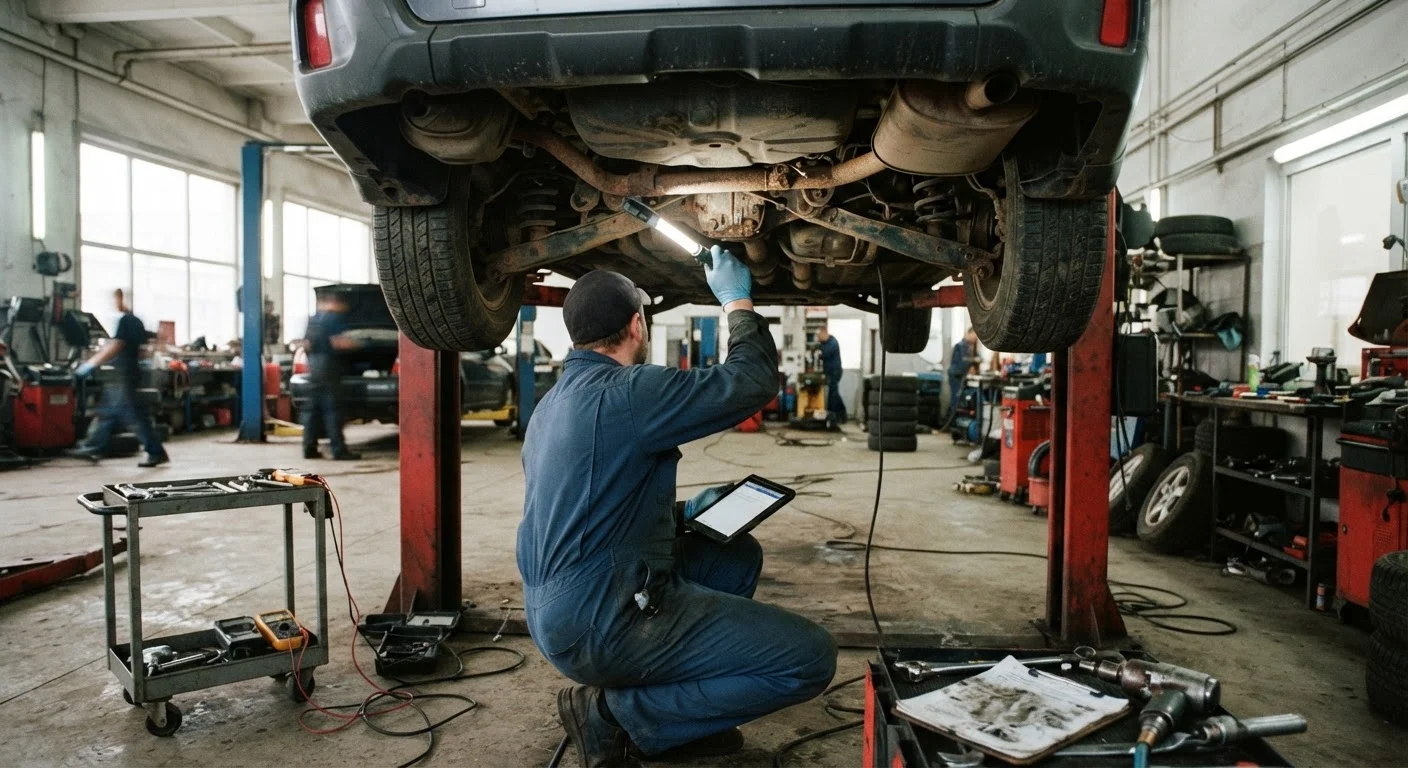
Photo credit: Infolagoon.com | Blogs To Rely On
In this article
A mechanic's inspection before buying a used car can reveal issues no test drive will. Here's what it covers and what to expect.
Key Takeaways
- A PPI is performed by an independent mechanic chosen by the buyer, not the seller.
- Inspections typically cost $100-$200 and can reveal issues worth thousands of dollars.
- A PPI covers mechanical, structural, and electrical systems a test drive alone won't expose.
- Sellers who refuse an inspection are sending an important signal worth taking seriously.
- Even certified pre-owned vehicles can benefit from an independent inspection.
What the Inspection Actually Examines
A thorough PPI goes well beyond kicking the tires. A qualified mechanic will systematically work through the vehicle's major systems, typically including:
- Engine and drivetrain: Oil condition, coolant levels, visible leaks, belt and hose condition, transmission behavior, and signs of overheating or deferred maintenance.
- Brakes and suspension: Pad thickness, rotor condition, brake fluid quality, shock absorbers, struts, and steering components for play or wear.
- Frame and body structure: Evidence of prior collision damage, corrosion, misaligned panels, or signs that the vehicle has been repainted - which can indicate accident history even when records don't show it.
- Tires: Tread depth, uneven wear patterns (which can point to alignment or suspension problems), and age of the rubber.
- Electrical systems: Battery health, lights, climate control, power windows, infotainment, and warning light codes pulled via OBD-II diagnostic port.
- Undercarriage: Rust, fluid leaks, exhaust condition, and the integrity of mounting points.
- Fluids: Condition and levels of engine oil, transmission fluid, brake fluid, coolant, and power steering fluid.
The mechanic should provide a written report. That document is a negotiating tool as much as an informational one - identified issues can justify a lower offer or request for repairs before closing the deal.
OBD-II Diagnostic Codes: A Useful but Incomplete Signal
Modern vehicles store fault codes in an onboard diagnostic system. A mechanic can pull these codes with a scan tool, revealing issues the seller may not have disclosed. However, codes can also be cleared before a sale - another reason an independent inspection matters. The absence of stored codes is encouraging but not conclusive proof of a trouble-free vehicle.
What It Won't Catch - and Why That's Still Okay
No inspection is a crystal ball. A PPI is a point-in-time assessment, and some problems are inherently difficult to detect. Intermittent electrical gremlins may not trigger during the inspection window. Early-stage engine wear may not yet produce audible or visible signs. Internal transmission damage can lurk behind smooth shifting on a short drive.
That said, the goal of a PPI is not perfection - it's probability reduction. Most major, expensive issues do leave traces: oil consumption patterns, unusual wear signatures, diagnostic codes, or rust that points to neglect. A competent mechanic can flag enough to give you a realistic picture of the vehicle's maintenance history and likely near-term costs.
If a report comes back clean, that's genuinely useful information. If it surfaces $3,000 worth of deferred maintenance on a vehicle priced as if it were in pristine condition, you've just saved yourself a costly mistake - for the price of a couple hundred dollars.
Use the Report as a Negotiating Tool
If the inspection turns up legitimate issues - worn brake pads, a minor oil leak, aging tires - you don't necessarily have to walk away. Use the documented findings to negotiate a price reduction or ask the seller to address specific repairs before finalizing the purchase. A written inspection report gives you credible, objective leverage that a test drive impression never could. For more situations buyers frequently encounter, see used car shopping surprises.
How to Use the Inspection in Practice
Before scheduling an inspection, confirm the seller's willingness in writing or via message - this creates a record and avoids wasted trips. Choose your own mechanic; do not use one suggested by the seller or dealership. If the vehicle is at a dealership, most will allow the car to be driven or transported to an independent shop for a few hours, though policies vary.
When you receive the report, read it in full. Ask the mechanic to walk you through any flagged items and whether they represent safety concerns, deferred maintenance, or normal wear for the vehicle's age and mileage. Not every finding is a deal-breaker - but every finding should be understood before you sign anything.
A PPI fits naturally into a broader due diligence process. Running a vehicle history report beforehand can surface title issues, accident records, and odometer discrepancies that inform what to ask the mechanic to look at more closely. For a fuller picture of what to have in hand before committing, see the vehicle purchase checklist worth reviewing before any deal closes.
If you're weighing whether a used vehicle, a certified pre-owned model, or a new car makes more sense for your situation, the comparison in new, used, and CPO vehicle differences can help frame the decision. And for buyers newer to the process, vehicle ownership for first-timers covers the broader steps worth understanding before any purchase. For ongoing upkeep after the purchase, car maintenance fundamentals is a practical starting point.
This article is for general informational purposes only and does not constitute professional mechanical or financial advice. Consult a qualified mechanic for an assessment of any specific vehicle.
Frequently Asked Questions

Author
Autos & Transport Editorial Team
Autos & Transport Editorial Team is the collective byline for our editorial team and contributor network. Articles published under this byline or an editorial pen name are researched, written, and reviewed according to our editorial standards for clarity, consistency, and independence before publication.
View all articles →